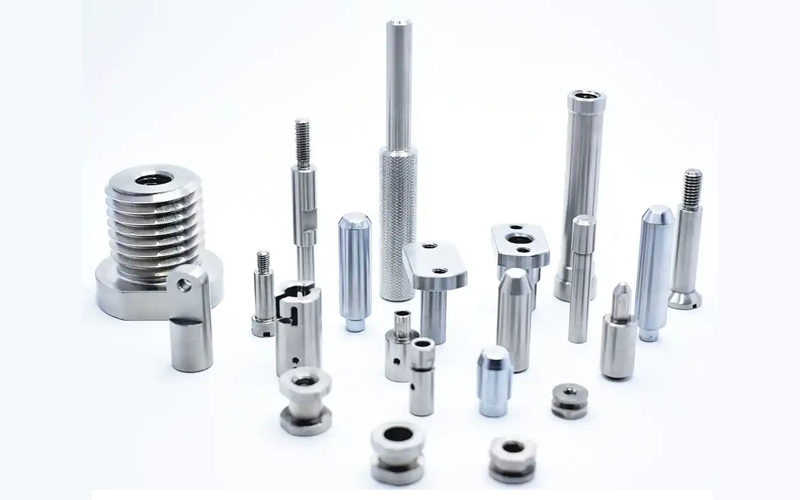
In CNC machining and precision metal fabrication, surface rust on steel parts is a common challenge, especially for products that require a natural, anti-rust oil finish without additional plating. Unlike electroplated or coated components, these parts cannot rely on protective metal layers, making rust removal a critical and often difficult step in the manufacturing process. Proper rust prevention and careful handling are essential to maintain both the functionality and the aesthetic of the final product.
In metalworking and CNC machining, rust removal can generally be divided into two main approaches: physical removal and chemical (solution-based) removal.
-
Physical Rust Removal for pipe fititng
-
Methods like wire brushing, sandpaper,Scouring pad,Wire wheels physically scrape off rust from the surface.
-
Advantages: Safe for precision parts if carefully controlled, no chemical residues.
-
Limitations: Time-consuming for large batches or heavy rust.
-
Wire brushing :
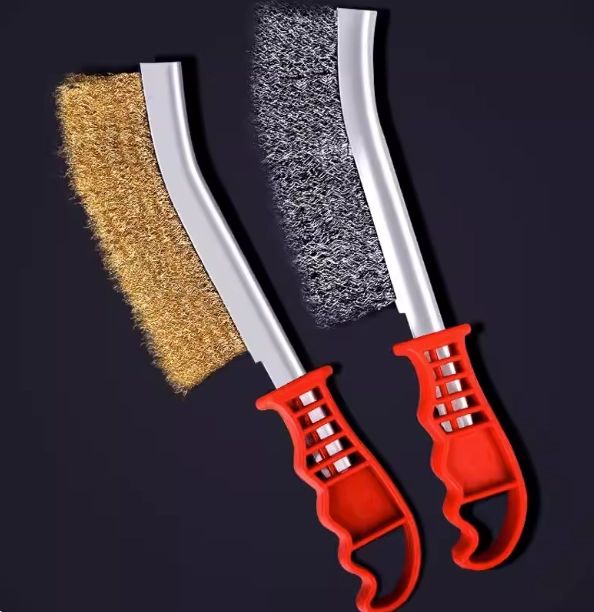

External wire brushing Inner hole brushing
When our tube fittings develop rust, the outside surface can be cleaned using wire brushing; however, this is a time-consuming and costly method. Unless no alternative is available, we do not recommend this approach.
For rust inside the inner holes, wire brushing (see second photo) or mounting a handheld grinding wheel can be used effectively. For lightly rusted surfaces, or inner holes with a diameter below 30 mm, wire brushing can be used for quick removal. When using a handheld grinding wheel, the tool should be fixed in a stationary position, and the product aligned with the wheel to remove rust efficiently.”
Scouring pad-suitable flat suraface
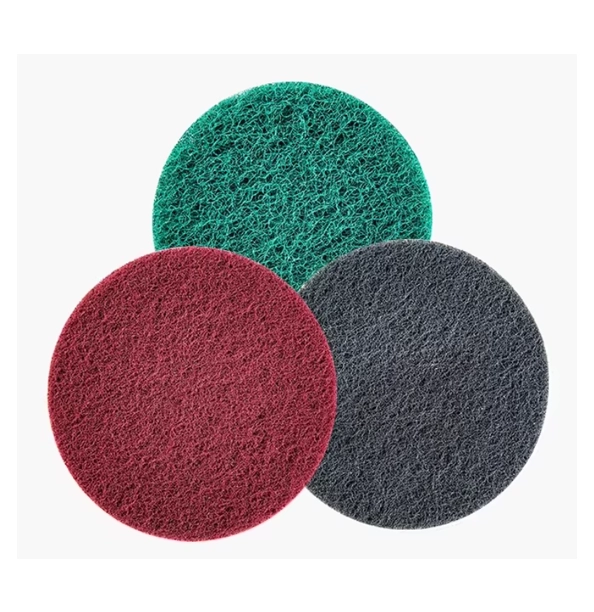
A scouring pad can be mounted on a handheld grinding wheel. This setup is suitable for polishing flat surfaces of tube fitting and removing light rust. Simply hold the workpiece steadily and move it gently against the spinning pad. It is a quick and safe way to clean surfaces without causing scratches.
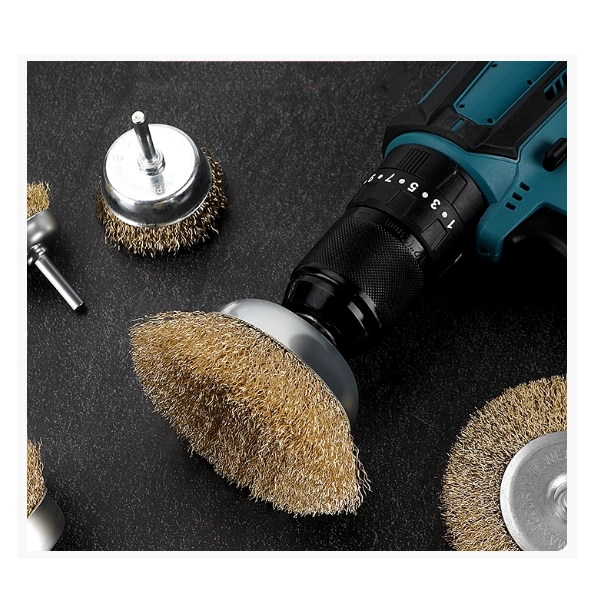
Wire wheels
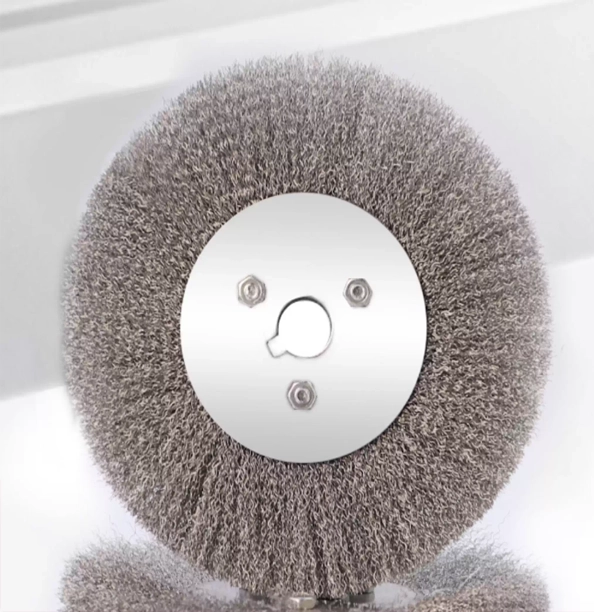
Wire wheels are commonly used for rust removal on metal parts surfaces. By mounting a wire wheel on a handheld grinder or bench grinder, operators can efficiently clean both flat surfaces and inner holes with moderate rust. For optimal results, the workpiece should be held steadily, and the wire wheel applied with consistent pressure to avoid surface damage. Wire wheels are particularly effective for removing heavy rust and scale, but may not be suitable for very delicate surfaces.
Sandpaper
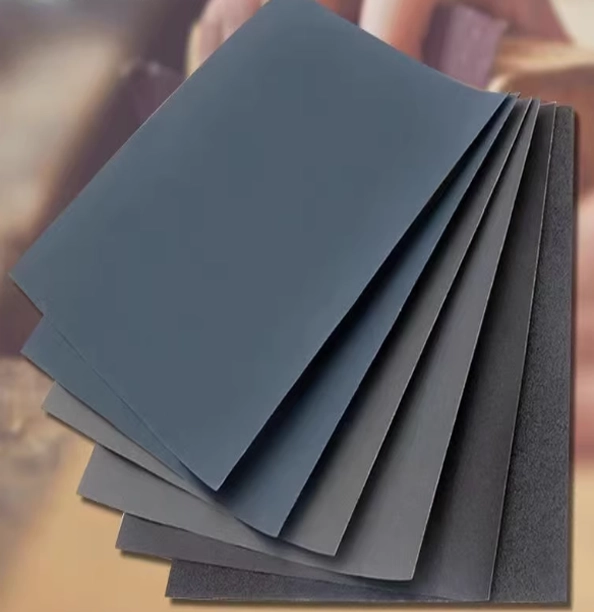
Simply using sandpaper by hand to remove rust is considered an outdated method. When our cnc parts develop rust, we usually mount them on a CNC lathe, reduce the spindle speed, and then use sandpaper for rust removal. This method allows efficient cleaning of both inner holes and outer cylindrical surfaces, improving consistency and saving time compared to manual sanding.
-
Chemical (Solution-Based) Rust Removal for pipe fitting
-
Chemical rust removal can involve neutral rust removers, chemical solutions, pickling (acid treatment), or water-based polishing processes to clean the metal surfaces.
-
Advantages: Faster and effective on heavy rust.
-
Limitations: Needs thorough rinsing and drying; strong acids can damage metal or change dimensions if not controlled.
-
Proper selection between physical and chemical methods depends on part precision, rust severity, and surface finish requirements.
Based on my real experience , i do not suggest chemical rust removal .
Neutral rust removers
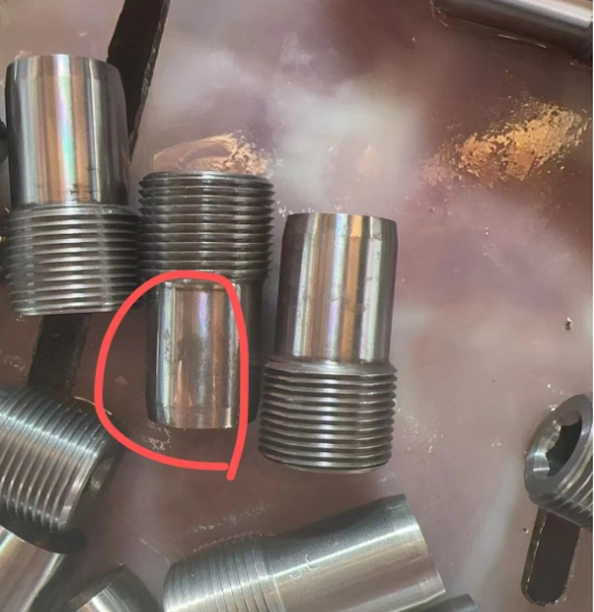
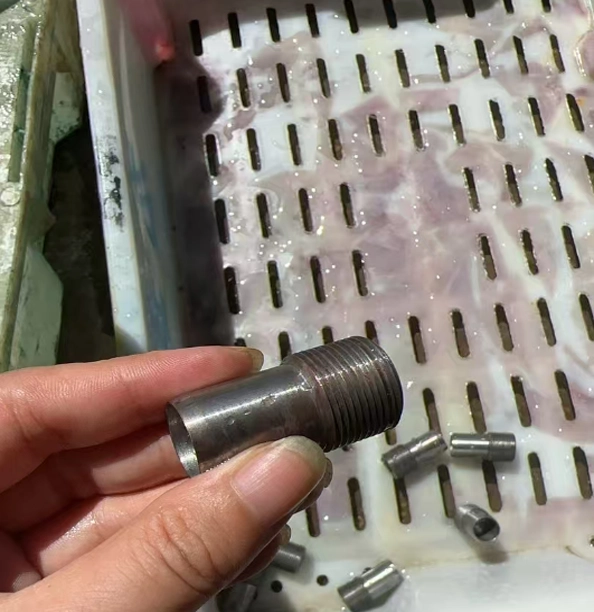
In this case, I can share detailed photos from our real tests, showing rust formation on the hexagonal section of our blanks.
We normally use a chemical rust remover by mixing 1 kg of the solution with 9 kg of water. The workpieces are then soaked in this mixture for about 10 minutes until the rust is removed. However, using this method, we sometimes observe the formation of red rust and surface marks after treatment.
Chemical solutions
When chemical rust removers are used, the surface of the products often loses its original shine and becomes dull. Although the rust is removed, the treatment can affect the aesthetic appearance, making the metal look less bright and smooth.
Acid treatment Practical Experience:
-
Acid treatment Pickling, or acid treatment, is a chemical method used to remove rust and scale from metal surfaces. The workpiece is immersed in an acidic solution, which dissolves the rust and cleans the surface. While this method is effective and fast, it requires careful control of acid concentration and treatment time to avoid damaging the metal or altering its dimensions. After acid treatment, thorough rinsing and drying are essential to prevent re-rusting
-
We tried this way 2 times , but this method will also let surface darkness . And it will get rust 15-30 minutes . So must put in oil fast after acid treatment .
Conclusion
Surface rust on steel tube fitting is common problem, especially for products requiring a natural, anti-rust oil finish without plating. Physical rust removal—such as wire brushing, scouring pads, wire wheels, or sandpaper on a CNC lathe parts—is safe, controllable, and preserves the surface finish. Chemical methods, including neutral rust removers, acid pickling, or water-based polishing, can be faster for heavy rust but may darken the surface, reduce shine, or cause red rust if not carefully controlled.
Based on our experience, we recommend physical rust removal for precision and aesthetic quality, with prompt application of anti-rust oil after any chemical treatment.
Our factory provides professional CNC machining service and metal fabrication services, specializing in rust prevention and surface finishing. We offer customized solutions for both small and large batches, ensuring the functionality and appearance of your products. Contact us to discuss your project.