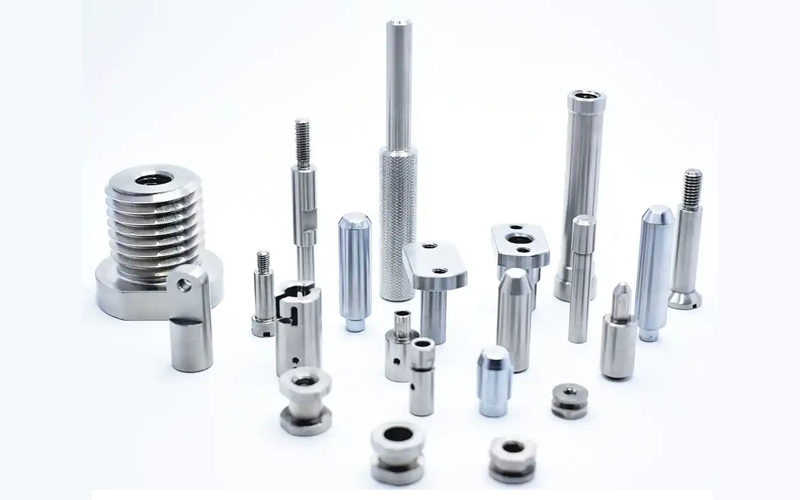
Introduction of blind thread
In modern manufacturing, threaded holes are essential for reliable assembly and mechanical performance. Among these, blind threads—threads cut into holes that do not fully penetrate the material—pose unique challenges. For manufacturers in the UK and Germany, where precision and quality standards are strict, understanding blind threads and proper repair techniques is crucial.
Yuhuan Honqian specializes in high-quality blind thread machining and repair services, ensuring your production stays efficient and reliable.
What is a Blind Thread?
A blind thread is created inside a blind hole, meaning the hole stops before breaking through the workpiece. Unlike through holes, blind threads require careful machining to avoid cutting tool breakage, poor thread quality, and misalignment.
| Feature | Blind Thread | Through Thread |
|---|---|---|
| Hole Type | Stops within material | Fully penetrates workpiece |
| Tool Difficulty | Higher | Lower |
| Chip Removal | Challenging | Easy |
| Application | Precision machinery, engine parts, hydraulic components | General assemblies |
| Risk | Tool breakage, thread defects, misalignment | Minimal |
Blind threads are commonly found in:
-
Hydraulic valves and cylinders
-
Automotive engine components
-
Aerospace assemblies
-
Precision molds and dies
Challenges of Blind Threading
Blind threads are harder to machine due to several factors:
-
Chip Evacuation is Difficult – Cutting chips tend to accumulate at the bottom, increasing risk of tool breakage.
-
Depth Control is Critical – Shallow threads compromise strength, while too deep increases tool wear.
-
Tool Selection Matters – Using the correct tap type, such as spiral flute or bottoming taps, is essential.
-
Maintaining Vertical Alignment – The tap must be perpendicular to the workpiece surface. Any tilt can cause the thread to be off-center, resulting in misalignment and assembly issues.
For manufacturers in UK and Germany, these challenges can affect production efficiency, product quality, and customer satisfaction.
How to Fix a Damaged Blind Thread
Damaged blind threads can lead to assembly failure and downtime. YH provides effective solutions for restoring threads with minimal disruption to production:
1. Identify the Damage
-
Check thread depth, pitch, and diameter
-
Determine whether repair or full re-threading is required
2. Thread Repair Method
A reliable method is to drill out the damaged thread and re-tap the hole.
| Step | Description |
|---|---|
| Drill | Remove damaged thread using appropriate drill size |
| Tap | Re-tap the hole for new threads |
| Inspect | Test with a matching screw or bolt to ensure thread integrity |
Important Note: During tapping, ensure the tool remains perfectly perpendicular to the workpiece surface. Misalignment will result in off-center threads and can affect assembly performance.
3. Thread Chasing
-
For minor damage, a chase tap can be used to clean and restore the original threads without removing excessive material.
Best Practices for Blind Thread Machining
-
Pre-drill to Correct Depth – Leave extra space at the bottom for chip accumulation.
-
Use High-Quality Cutting Fluids – Reduce tool wear and improve thread quality.
-
Select the Right Tool – Spiral flute taps, bottoming taps, or CNC-assisted tools.
-
Maintain Vertical Alignment – Always ensure the tap is perpendicular to the workpiece surface during operation.
-
Regular Tool Maintenance – Inspect and replace worn tools to prevent unexpected failures.
Following these best practices, UK and German manufacturers can reduce scrap rates, avoid costly rework, and meet high-precision standards.
Why Choose Yuhuan Honqian ?
YH provides professional blind thread machining and repair services with:
-
Over 10 years of CNC threading expertise
-
Custom solutions for hydraulic, automotive, aerospace, and mold industries
-
Fast turnaround for prototype and mass production orders
-
Dedicated support for UK and Germany customers
“With YH’s blind thread solutions, production downtime decreased significantly, and thread quality improved across all components.” – Satisfied Client
Conclusion
Blind threads are critical yet challenging components in precision manufacturing. Proper machining, maintaining vertical alignment, careful depth control, and professional repair techniques are essential to ensure component reliability.
For manufacturers in the UK and Germany, partnering with Yuhuan Honqian (YH) guarantees high-quality blind thread solutions, expert repair, and reduced production risks.
Contact YH today to learn how our threading expertise can improve your manufacturing efficiency and product reliability.