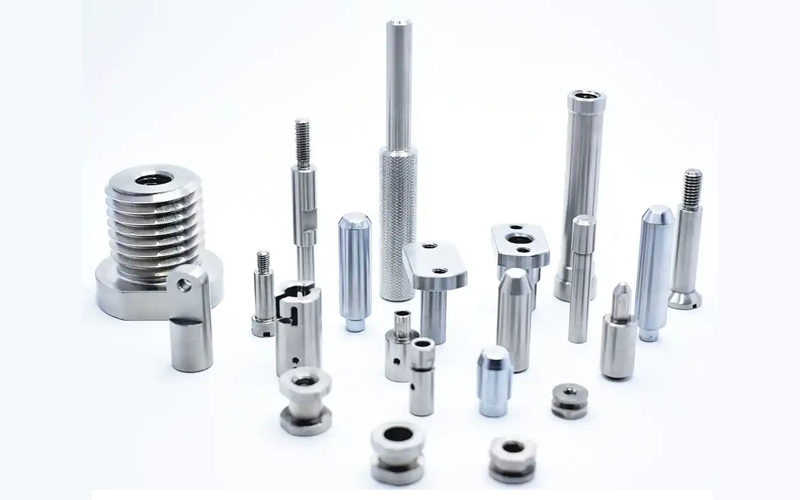
Brass vs Stainless Steel Barb Pipe Fittings
In the world of fluid systems, Brass barb pipe fittings are among the most widely used connectors for both industrial and residential applications. They allow flexible hoses to connect securely to pipes or other fittings. When selecting the right fitting, material choice plays a critical role—not just for durability and corrosion resistance, but also for production efficiency and cost. Comparing brass fittings and stainless steel (SS) fittings reveals some important differences that can guide both manufacturers and buyers.
Understanding Brass Barb Pipe and Brass Adapters
A Brass barb pipe fitting is designed to connect soft hoses to threaded or rigid pipe systems. One end typically has a barb to hold the hose, while the other may be threaded or smooth for connection to other pipes. Brass adapters are especially popular due to their excellent machinability, corrosion resistance, and versatility across multiple fluid applications.
Brass fittings are often used in water systems, pneumatic lines, fuel transfer, and low- to medium-pressure industrial lines. Besides performance, brass also allows for surface treatments such as chrome plating, nickel plating, or acid pickling, which enhance corrosion resistance and improve the overall appearance of the fitting.
Brass vs Stainless Steel: Material and Production Differences
When it comes to manufacturing hose pipe fittings, the material significantly affects production difficulty and cost:
-
Brass:
-
Easy to machine and drill.
-
Even small holes can be finished quickly—typically around 20 seconds per side.
-
Low production difficulty means faster output and less tool wear.
-
Suitable for both small and large fittings without significantly increasing cost.
-
-
Stainless Steel (SS):
-
Harder material with high toughness.
-
Smaller holes (less than 10 mm) are difficult to drill; the tool must run at slow speeds to avoid breakage.
-
Production is slower and more expensive due to tool wear and time.
-
Small SS fittings may not be cost-effective compared to brass—sometimes costing even more than a larger brass fitting of similar performance.
-
Recommendation: For small-sized hose barb fittings, brass is usually the preferred choice. Not only is it easier to produce, but the material amount is minimal, keeping the price low. Using stainless steel for small fittings may unnecessarily increase costs without significant performance benefits.
Production Considerations: Speed, Cost, and Quality
Brass barb pipe fittings benefit from fast and cost-efficient production:
-
Standard hex brass bars or pipes can be CNC turned to form the barb and threaded ends.
-
Drill holes can be completed in seconds per side.
-
Special attention is given to thread quality and burr-free surfaces to ensure reliable hose connections.
In contrast, stainless steel fittings require:
-
Slower drilling speeds to prevent tool breakage.
-
Careful heat management due to higher hardness.
-
Increased machining time and tool replacement costs.
As a result, brass fittings provide a perfect balance of speed, quality, and cost, especially for small to medium fittings. Stainless steel is still preferable in high-pressure or corrosive environments but is less efficient for standard small fittings.
Choosing the Right Fitting Material
When deciding between brass and stainless steel for hose barb pipe fittings, consider:
-
Fitting size: Small fittings (<10 mm holes) are better produced in brass.
-
Fluid type: Use SS for highly corrosive liquids or extreme temperatures.
-
Production speed: Brass allows rapid CNC production; SS is slower.
-
Cost: Brass may have a slightly higher material cost but lower production cost; small SS fittings may be more expensive overall.
-
Surface finish: Brass can be plated (chrome, nickel) or acid treated for longer life and appearance; SS can be polished or passivated.
By weighing these factors, you can select the optimal material that meets both performance and budget requirements.
Installation Tips for Brass Barb Pipe and Brass Adapters
Proper installation ensures longevity and leak-free operation:
-
Hose connection: Push the hose fully over the barb. Use a lubricant if needed for tight hoses.
-
Secure with clamps: Hose clamps prevent leaks and maintain connection stability.
-
Thread sealing: Use Teflon tape or thread sealant on threaded ends.
-
Inspection: Regularly check threads and surfaces for wear, burrs, or corrosion.
Even low-cost brass fittings can perform reliably if installed and maintained correctly.
Applications of Brass Barb Pipe Fittings
Industrial uses:
-
Pneumatic lines and air compressors
-
Cooling water circulation and heat exchangers
-
Fuel and oil transfer in machinery
Residential uses:
-
Garden hoses and irrigation systems
-
Plumbing connections
-
Small fluid transfer projects
Brass fittings, thanks to their ease of production, corrosion resistance, and optional surface plating, are suitable for most applications. Stainless steel fittings are reserved for environments with high corrosion, chemical exposure, or extreme pressure requirements.
Conclusion: Brass vs Stainless Steel Hose Barb Fittings
Selecting the right material for hose barb pipe fittings or brass adapters depends on your priorities:
-
Brass: Fast production, easy machining, small hole compatibility, optional surface finishing, cost-efficient for small and medium fittings.
-
Stainless Steel: Higher corrosion and pressure resistance, slower production, higher cost for small sizes.
For most small to medium applications, brass barb fittings provide the best balance of quality, cost, and efficiency, while stainless steel is ideal for specialized industrial conditions. Understanding the production and material differences helps ensure you choose fittings that are durable, reliable, and cost-effective.