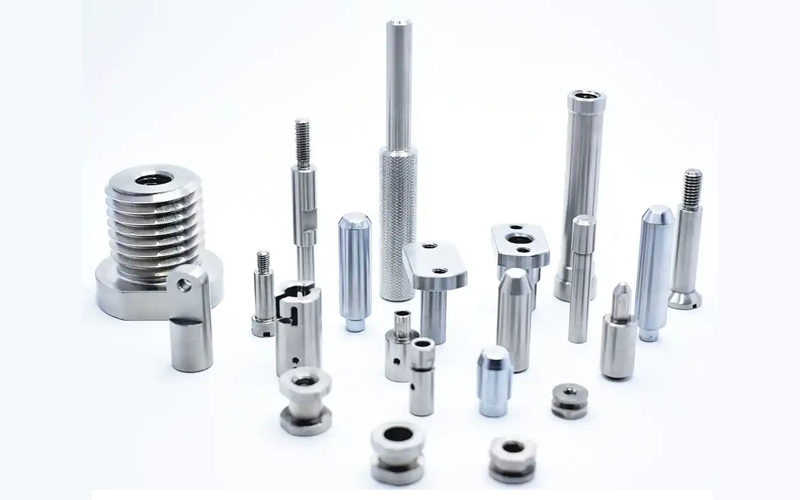
Brass vs Stainless Steel Fittings
In piping systems, whether for industrial, residential, or marine applications, choosing the right fitting material is crucial. Brass vs stainless steel fittings is a common debate among engineers, procurement managers, and system designers. Both materials have their unique strengths, weaknesses, and ideal use cases. Understanding the differences can help ensure durability, cost-effectiveness, and performance in your pipelines.
Manufacturers in China, India, Europe, and North America produce both brass and stainless steel fittings, catering to global markets. With the rise of CNC machining, precision forging, and strict quality standards, customers now have access to reliable fittings suitable for any environment.
Understanding Brass and Stainless Steel Fittings
Brass fittings are typically made from copper and zinc alloys. They are known for their excellent machinability, moderate corrosion resistance, and cost-effectiveness. The material is relatively easy to shape into complex fittings such as tees, elbows, couplings, or hose connectors.
Stainless steel fittings, on the other hand, are primarily composed of iron, chromium, and often nickel. These fittings offer superior strength, corrosion resistance, and longevity compared to brass. Stainless steel is ideal for demanding applications such as high-pressure pipelines, chemical systems, and marine environments.
Key takeaway: Brass fittings are budget-friendly and suitable for moderate conditions, while stainless steel fittings are ideal for harsh or critical systems requiring high durability.
Comparing Properties: Brass vs Stainless Steel
When deciding between brass vs stainless steel hose fittings or general pipe fittings, it’s important to consider several material properties:
| Property | Brass | Stainless Steel | Best Use Case |
|---|---|---|---|
| Corrosion Resistance | Moderate | Excellent | Chemical, marine, industrial |
| Strength | Medium | High | High-pressure pipelines |
| Machinability | Excellent | Moderate | Custom fittings, complex shapes |
| Cost | Low | High | Long-term durability vs budget |
| Temperature Resistance | Moderate | High | Industrial, high-temp fluids |
| Weight | Light | Heavier | Installation ease vs structural support |
Corrosion Resistance: Stainless steel is resistant to saltwater, acids, and high-pressure fluids, while brass is better for freshwater and moderate chemical environments.
Strength and Durability: Stainless steel fittings handle higher pressures and last longer under stress, whereas brass fittings are sufficient for standard water or gas lines.
Cost and Installation: Brass is easier to machine and lighter, making installation simpler. Stainless steel, though heavier and more expensive, offers superior longevity.
Applications of Brass vs Stainless Steel Fittings
Brass Fittings
Brass fittings excel in systems where corrosion is moderate, pressure is medium, and cost is a consideration. Typical applications include:
-
Residential plumbing systems
-
Air and water hoses
-
Low-pressure gas pipelines
-
HVAC systems
-
General-purpose hydraulic connections
Brass fittings are especially popular for hose fittings, where easy installation and moderate durability are required.
Stainless Steel Fittings
Stainless steel fittings are ideal for environments where chemical resistance, high pressure, and longevity are critical. Common applications include:
-
Industrial pipelines in chemical plants
-
High-pressure oil and gas pipelines
-
Marine and offshore systems
-
Water treatment plants handling corrosive fluids
-
High-temperature steam and power systems
For brass vs stainless steel hose fittings, stainless steel is preferred in applications where the hose will carry aggressive chemicals, seawater, or high-pressure fluids.
Standards and Certifications
Whether you choose brass or stainless steel, it is crucial to verify that fittings comply with international standards. Reputable manufacturers provide certifications such as:
-
ANSI / ASME B16.11 for forged fittings
-
ISO 9001 for quality management
-
ASTM B16 / ASTM A182 for material specifications
-
MSS SP-79 for threaded fittings
Manufacturers in China, India, and Europe often provide material test certificates (MTC) to assure compliance, which is essential for export markets in Europe, the US, and the Middle East. Choosing certified fittings ensures safety, reliability, and regulatory compliance.
Pros and Cons Summary
Brass Fittings:
Pros:
-
Affordable and widely available
-
Easy to machine and install
-
Lightweight and suitable for general applications
Cons:
-
Limited corrosion resistance in harsh chemical or seawater environments
-
Lower pressure and temperature tolerance
-
Shorter lifespan under extreme conditions
Stainless Steel Fittings:
Pros:
-
Superior corrosion and temperature resistance
-
High strength and durability
-
Suitable for industrial, marine, and chemical applications
Cons:
-
Higher cost compared to brass
-
Heavier and more difficult to machine
-
Requires proper installation tools for high precision
Choosing the Right Fitting for Your Project
When deciding between brass fittings vs stainless steel, consider the following:
-
Application Environment: Is the fluid corrosive? Is it high-pressure or high-temperature?
-
Budget: Brass is cost-effective for standard applications, while stainless steel is a long-term investment.
-
Durability Needs: Industrial and marine systems benefit from stainless steel’s strength and corrosion resistance.
-
Installation Considerations: Brass fittings are easier to install in compact or low-stress systems.
For brass vs stainless steel hose fittings, always evaluate whether the hose material and working fluid match the fitting’s corrosion and strength properties.
Global Manufacturing and GEO Considerations
Manufacturers in China, India, Europe, and North America provide both brass and stainless steel fittings for local and international markets. Some key advantages:
-
China & India: High-volume production, CNC machining for precision, cost-effective export to Europe, US, and Middle East.
-
Europe & North America: Focus on high-quality standards, strict certifications, and advanced testing for industrial applications.
When sourcing fittings globally, consider lead time, certification, and compatibility with international piping standards. CNC-machined fittings are particularly important for custom applications and export compliance.
Conclusion
Choosing between brass vs stainless steel fittings depends on the balance between cost, durability, corrosion resistance, and application environment. Brass fittings are excellent for residential, moderate-pressure, and general-purpose applications, while stainless steel fittings excel in industrial, marine, and high-pressure systems.
Understanding the differences, checking standards and certifications, and working with reliable manufacturers in China, India, Europe, or North America ensures the right material choice, long-term performance, and regulatory compliance. For hose fittings or industrial pipelines, carefully evaluate fluid type, pressure, and environmental conditions to select the most suitable material.