In a buying meeting that smells like coffee and steel, bsp threaded fittings stroll in like a British cousin with a sharp suit—proper, precise, and a little misunderstood. Procurement teams feel the pinch here. Pick wrong, and a global project starts squeaking, leaking, and burning cash faster than a busted valve on night shift.
I’ve watched engineers argue this like sports fans. NPT swears by taper and muscle, a blue‑collar hero across North America. BSP plays by different rules, often parallel, common overseas, calm under PN16 pressure. Mix them up, and suddenly pallets come back, schedules slip, and someone’s phone lights up at 2 a.m.
A quiet reminder from the rulebook: ASME states, “B1.20.1 governs NPT threads,” while ISO 228 and ISO 7 define BSP forms. Standards don’t argue. Markets just pay for mistakes.
So this guide cuts through the shop talk—materials, ratings, regions—so bulk orders land right the first time, and systems behave when the pressure’s on.
What Are BSP Threaded Fittings?
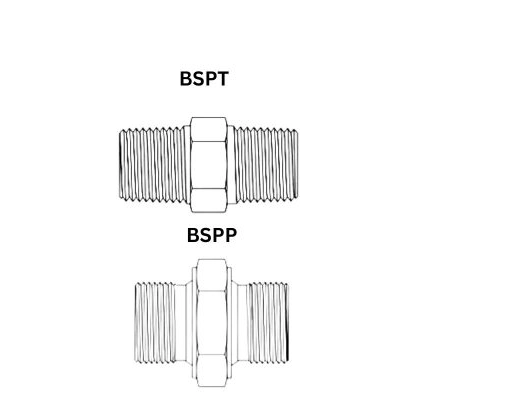
When people talk about bsp threaded fittings, they usually mean reliable pipe connectors built on British thread standards. Split the phrase and it’s simple: BSP (British Standard Pipe), threaded, fittings. Put together, bsp threaded fittings create tight, practical joints for water, gas, and process lines. Let’s break it down in plain terms.
Defining BSP Threaded Fittings in Stainless Steel 316
Understanding bsp threaded fittings starts with three core elements:
- Thread Standard
- BSP Fittings follow British thread profiles.
- Threads can be parallel or tapered.
- Designed for tight sealing in Threaded Connections.
- Material Choice
- Stainless Steel 316
- Contains molybdenum for added Corrosion Resistance.
- Handles chemicals, salt air, and hot water.
- Recognized as a dependable Material Grade in industrial Pipe Fittings.
- Stainless Steel 316
- Functional Role
- Connect pipes securely.
- Allow easy maintenance and replacement.
- Support long service life in plumbing and HVAC lines.
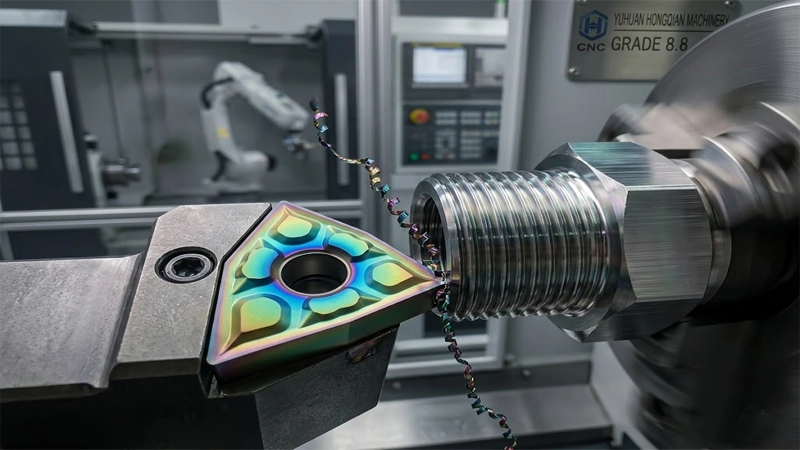
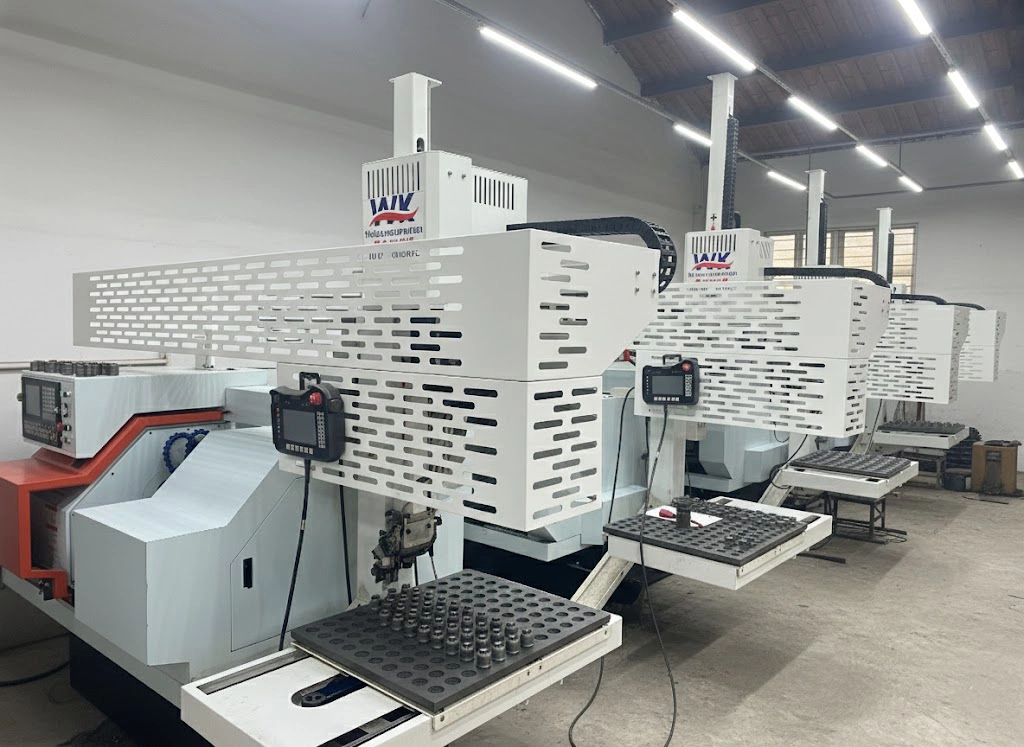
In real projects, stainless steel BSP threaded pipe fittings are often picked when rust simply isn’t an option. Brands like yuhuan hongqian focus on precision machining so every BSP thread feels smooth during installation. That small detail saves time on site and reduces leaks later.
Key Configurations: Elbow 90 Degree and Tee Equal BSP
Two shapes dominate most bsp threaded fittings layouts:
- Elbow 90 Degree
- Redirects Flow Direction cleanly.
- Used in tight corners and vertical-to-horizontal shifts.
- Acts as one of the most common Pipe Bends in compact systems.
- Tee Equal
- Creates balanced branching.
- Functions as a core Branch Fittings option in HVAC grids.
- Keeps pressure distribution steady in many BSP Configuration designs.
Here’s how contractors usually choose:
- Check pipeline layout.
- Identify turning points.
- Insert Elbow 90 Degree where a right angle is required.
- Add Tee Equal when splitting flow evenly.
Simple moves, but critical. A well-chosen BSP threaded connector can prevent vibration stress and uneven load.
Size Range Guide: DN15 to DN100 and Nominal Pipe Size
Sizing bsp threaded fittings is not guesswork. It follows structured standards:
- Measurement Standards
- DN15 to DN100 reflect metric sizing.
- Nominal Pipe Size aligns with global inch-based references.
- Diameter Considerations
- Pipe Diameter must match internal flow demand.
- Oversizing may reduce pressure stability.
- Undersizing may choke the system.
- Application Mapping
- DN15–DN25: small bore water lines.
- DN32–DN50: commercial plumbing.
- DN65–DN100: light industrial networks.
Many engineers double-check both NPS and DN markings before ordering stainless steel BSP threaded fittings. That extra minute avoids costly mismatch headaches.
Certification Overview: ISO 9001 and WRAS Approval
Quality matters just as much as thread accuracy. Reliable bsp threaded fittings often carry:
- ISO 9001
- Confirms structured Quality Management systems.
- Supports consistent production and inspection routines.
- WRAS Approval
- Validates compliance with UK Water Regulations.
- Confirms suitability for potable water.
- Strengthens trust in Compliance Standards.
The World Plumbing Council noted in a 2024 industry update that certified components in potable systems significantly reduce long-term leakage risks and maintenance claims across municipal networks.
For buyers sourcing BSP threaded connectors for drinking water lines, certifications aren’t just paperwork. They’re peace of mind. That’s one reason yuhuan hongqian keeps strict control over testing and documentation while supplying global markets.
In short, bsp threaded fittings combine defined thread standards, smart sizing, proven materials, and verified certifications. Get those four right, and your pipeline setup runs smoothly for years.
NPT Vs. BSP: Key Differences Explained
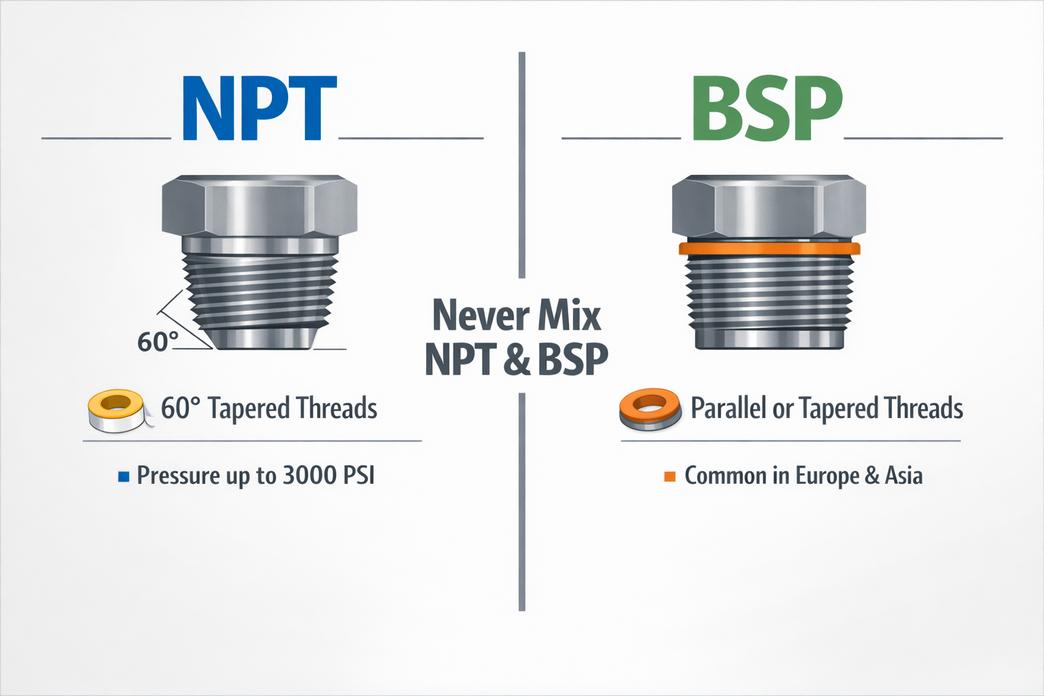
Thread standards can feel like alphabet soup, yet the choice between NPT and BSP affects sealing, pressure handling, and long-term safety. If you work with bsp threaded fittings, or compare them with NPT options, the small geometry details make a big difference in daily plumbing jobs.
NPT Threaded Fittings
When discussing NPT, the focus usually lands on its National Pipe Taper design and sealing behavior.
- Core Design Logic
- Thread Geometry
- Built on Tapered Threads under the American Standard system.
- The taper creates interference as threads tighten.
- Sealing Method
- Often requires Sealing Tape or Pipe Joint Compound.
- In some configurations, Dryseal versions reduce reliance on extra sealants.
- Thread Geometry
- Performance Characteristics
- Pressure Handling
- Common in high-pressure industrial lines.
- Widely applied across North America.
- Installation Feel
- Tightening increases resistance quickly due to taper-on-taper contact.
- Over-tightening can stress fittings.
- Pressure Handling
- Comparison with BSP Threaded Fittings
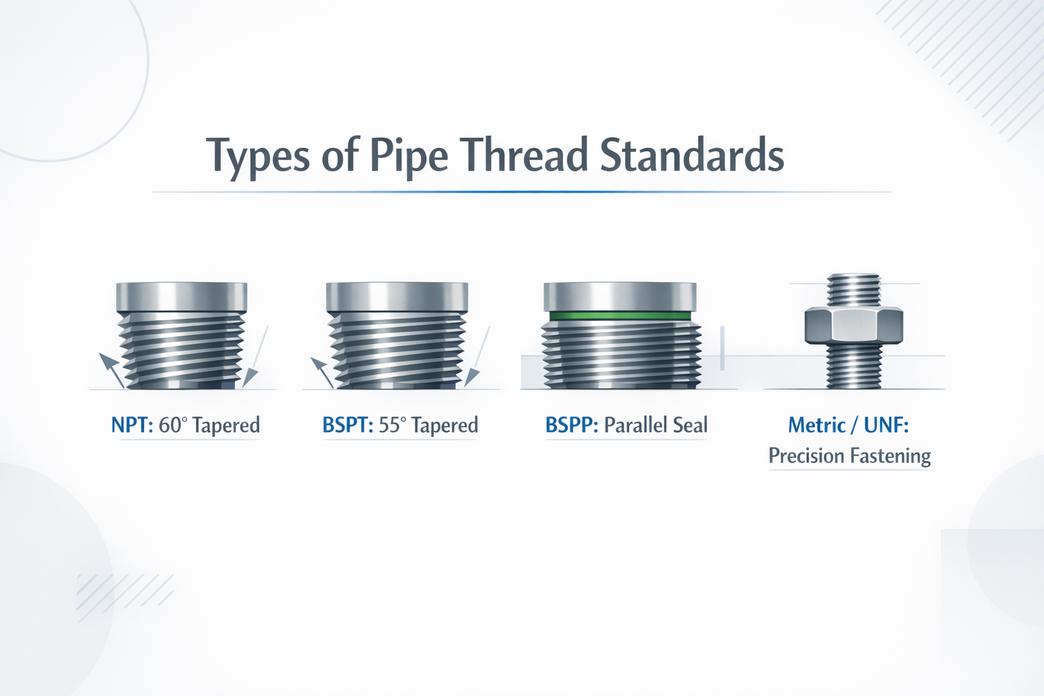
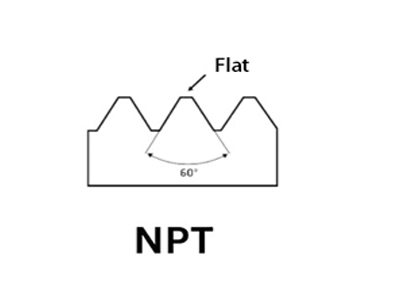
- NPT uses a 60° thread angle.
- Unlike many bsp threaded fittings, sealing occurs mainly through thread deformation, not a washer face.
In global sourcing projects, teams working with yuhuan hongqian often compare NPT to bsp threaded fittings to prevent cross-thread mistakes. Mixing NPT and British Standard Pipe threads rarely ends well, and field crews know that the hard way.
BSP Threaded Fittings
Now let’s talk about bsp threaded fittings, a staple in European and many Asian markets.
- Standard Framework
- Origin
- Based on British Standard Pipe specifications.
- Thread Types
- Available in Parallel Threads (BSPP).
- Also offered with Tapered Threads (BSPT).
- Thread Angle
- Defined by a 55° Thread Angle, distinct from NPT.
- Origin
- Sealing Mechanisms
- BSPP (Parallel)
- Relies on a Washer or Gasket for face sealing.
- Uses Sealant when required by pressure class.
- BSPT (Tapered)
- Seals through thread interference plus Sealant.
- BSPP (Parallel)
- Application Range
- Frequently rated for PN16 and Class 150 systems.
- Common in water, gas, and light industrial pipelines.
For buyers searching online, terms like BSP fittings, BSP pipe fittings, or bsp threaded fittings all point to similar families, but specs matter. A parallel BSP fitting with a gasket behaves differently from a tapered one.
Manufacturers such as yuhuan hongqian supply bsp threaded fittings in brass and stainless options, helping distributors standardize stock across export markets. Choosing proper bsp threaded fittings means checking pressure class, sealing face, and thread compatibility before tightening anything. It sounds basic, yet skipping that check is how leaks start.
4 Critical Factors For Pipe Fitting Choice
Choosing the right setup for bsp threaded fittings is not just a technical call; it’s about safety, cost, and long-term peace of mind. From material strength to pressure class, every detail shapes how your BSP threaded fittings perform in real jobs.
Material Matters: Carbon Steel A105 vs. Brass CW617N
When selecting bsp threaded fittings, material drives performance. The debate often centers on Carbon Steel, A105, Brass, and CW617N, each with distinct Material Properties, Strength, and Corrosion Resistance.
- Carbon Steel A105
- High tensile strength
- Better for high-load industrial lines
- Suits oil, gas, and steam systems
- Brass CW617N
- Strong Corrosion Resistance
- Ideal for potable water
- Easy machining for precise BSP fittings
In practice:
- High-pressure hydraulic skids → prefer A105.
- Drinking water manifolds → go with CW617N.
- Mixed systems → check fluid chemistry before locking in threaded BSP fittings.
For buyers working with yuhuan hongqian, both materials are available with strict chemical composition control, keeping BSP thread fittings consistent in tolerance and finish.
Pressure Ratings: Class 150 and 3000 PSI Requirements
Pressure class is not a guess game. Pressure Rating, Class 150, and 3000 PSI define safe Working Pressure under specific System Requirements.
| Rating Type | Nominal Pressure (PSI) | Typical Application | Safety Margin Factor |
|---|---|---|---|
| Class 150 | 285 PSI (at 100°F) | Low Pressure water lines | 1.5x |
| 1000 PSI | 1000 PSI | Medium hydraulic systems | 2.0x |
| 3000 PSI | 3000 PSI | High Pressure chemical lines | 2.5x |
Selection logic often flows like this:
- Check system design pressure.
- Match fitting rating above working level.
- Confirm temperature correction factors.
- Verify compatibility with bsp threaded fittings standards.
High-pressure setups usually demand forged bodies and tighter thread tolerance. That’s where precision-machined BSP threaded fittings from yuhuan hongqian hold steady under stress.
Application Environment: Corrosive Fluids and Potable Water Lines
Fluid type changes everything. Corrosive Fluids, Potable Water, and overall Chemical Compatibility must align with material grade.
In sanitary lines:
- Use certified brass.
- Confirm lead content compliance.
- Protect sealing surfaces.
In industrial chemical use:
- Analyze pH range.
- Review temperature swings.
- Consider coating or alternative alloys.
Environmental factors like humidity and external exposure also influence long-term performance. Even solid BSP fittings can fail early if surface treatment is ignored. Smart selection keeps bsp threaded fittings reliable for both sanitary applications and heavy industrial use.
Connection Type: Compression Fittings vs. Flanged Fittings
Connection style affects maintenance, sealing method, and downtime. Compression Fittings, Flanged Fittings, and Threaded Connections all rely on different Mechanical Joints principles.
For small-bore pipelines:
- Compression style
- Quick install
- Minimal tools
- Good for instrumentation lines
For large-diameter systems:
- Flanged setup
- Easier disassembly
- Better alignment control
- Strong sealing under vibration
Decision path:
- Identify pipe diameter.
- Review maintenance frequency.
- Evaluate sealing load and vibration.
- Confirm compatibility with BSP threaded fittings or alternative ends.
Many projects mix flange connections on main headers and bsp threaded fittings on branch lines. That combo keeps installation practical while maintaining strong, serviceable joints.
Pipe Fitting Scenario: Hydraulic Systems
Hydraulic jobs are no joke. One loose joint and pressure spikes fast. From bsp threaded fittings in industrial lines to high-load weld connections, every detail counts. When bsp threaded fittings meet Hydraulic Systems, thread accuracy, seal design, and metal grade decide performance. Let’s break down how smart fitting choices keep flow steady, safe, and hassle-free.
High Pressure Systems: 6000 PSI Butt Weld Fittings
When High Pressure hits 6000 PSI, connection design shifts from basic to serious steel.
- Core Structure
1.1 Material
- Steel body rated for extreme stress
- Compatible transitions to bsp threaded fittings adapters
1.2 Joint Type
- Butt Weld ends fuse directly to pipe
- No internal step, smoother bore
- Performance in Hydraulic Systems
2.1 Pressure Handling
- Withstands 6000 PSI surge loads
- Reduces leak paths compared to threaded joints
2.2 Integration
- Welded trunk lines
- Terminal connections using bsp threaded fittings for valves
- Practical Edge
- Less maintenance
- Longer lifecycle
- Cleaner flow under high impulse
In heavy-duty plants, yuhuan hongqian supplies precision-machined transitions linking butt weld lines with bsp threaded fittings, keeping pressure stable without overcomplicating the layout.
Flow Control: SCH80 Socket Weld Fittings in Ductile Iron
Flow is about control, not guesswork.
- Material Strength
1.1 SCH80 Wall Thickness
- Handles higher internal load
- Supports threaded-to-weld transitions
1.2 Ductile Iron
- Shock resistance
- Suitable for Industrial duty
- Connection Strategy
2.1 Socket Weld Base Network
2.2 Branch Points
- Adaptors to bsp threaded fittings
- Threaded inspection ports
- In Piping Systems
- Balanced Flow Control
- Reduced turbulence
- Easy valve replacement with BSP thread fittings
yuhuan hongqian pairs socket weld bodies with precision bsp threaded fittings, giving installers a clean fit that feels solid, not forced.
Seal Integrity: Galvanized Steel Unions for Industrial Plumbing
Tight seal. Easy access. No drama.
- Material Advantage
1.1 Galvanized Steel
- Strong Corrosion Resistance
- Suits Water Systems
1.2 Thread Compatibility
- Direct match to bsp threaded fittings
- Works with BSP threaded connectors
- Functional Role
2.1 Quick Disassembly
2.2 Reliable Seal Integrity
2.3 Secure Connections in Industrial Plumbing
- Real-World Setup
- Main line: welded or socket
- Service break: union
- Valve ends: bsp threaded fittings
For maintenance-heavy plants, yuhuan hongqian ensures every union aligns perfectly with bsp threaded fittings, cutting downtime and keeping water and hydraulic lines sealed tight.

FAQ for BSP threaded fittings
What are BSP threaded fittings and where are they commonly used?
BSP threaded fittings use British Standard Pipe threads to create tight mechanical joints without welding. In daily projects, they are chosen for:
- Potable water lines requiring WRAS approval
- HVAC systems running at PN16 or Class 150
- Chemical processing lines handling corrosive fluids
Common configurations include Elbow 90 degree, Tee equal, Coupling full, and Cap, typically produced in Stainless steel 316, Brass CW617N, or Galvanized steel. Sizes range from 1/2 inch to 4 inch (DN15 to DN100), covering most small bore fittings in industrial plumbing.
How do BSP threaded fittings differ from NPT threaded fittings?
The difference lies in thread form and sealing method:
- BSP threaded fittings follow British and European practice, often aligned with ISO 9001 production systems and CE marking requirements.
- NPT threaded fittings follow ASTM standards and dominate North American high pressure systems.
- BSP threads can be parallel or tapered; NPT threads are tapered only.
In mixed projects, incorrect pairing leads to leakage under Class 150 or SCH40 conditions. Careful matching by Nominal Pipe Size (NPS) and metric dimensions avoids costly shutdowns.
Which materials and pressure ratings are suitable for demanding environments?
Material choice defines service life:
- Stainless steel 316 → preferred for corrosive fluids and marine exposure
- Carbon steel A105 → common in 3000 PSI or 6000 PSI high pressure systems
- PVC Schedule 80 → light chemical lines with SCH80 wall thickness
- Ductile iron → durable option for large bore fittings
Pressure classes such as PN16, Class 150, or 6000 PSI must align with system design. For chemical processing or industrial plumbing under stress, socket weld fittings or butt weld fittings may replace threaded joints for added security.
How do buyers select the right configuration and connection type?
Selection usually follows application logic:
- Small bore fittings (DN15–DN50): BSP threaded fittings or Compression fittings for quick maintenance
- Large bore fittings (up to DN100): Flanged fittings for easier disassembly
- Permanent high-load lines: Socket weld fittings or Butt weld fittings under API specifications
Typical shapes—Elbow 90 degree, Tee equal, Reducer concentric, Union—control direction and flow balance. Certification such as ISO 9001, WRAS approval, CE marking, or UL listed status gives extra confidence when sourcing for potable water lines or HVAC systems.