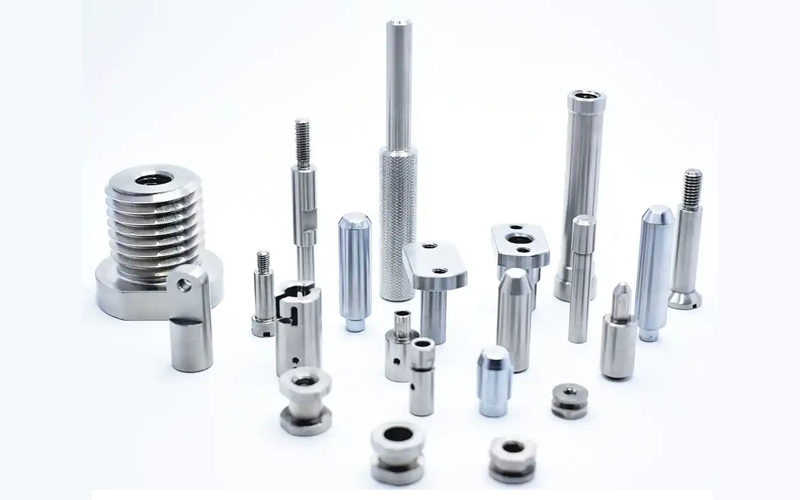
Choosing the Right Brass Hose Barb Pipe Fittings
Hose barb pipe fittings are one of the most common types of connectors in both industrial and home fluid systems. Their versatility, affordability, and ease of installation make them ideal for connecting soft hoses to rigid pipes. From water and air lines to cooling systems and fuel delivery, these fittings play a crucial role in maintaining smooth operations. Whether you are managing a factory setup or working on a DIY project, understanding the different types, materials, and applications of hose fittings and brass adapters can save time, cost, and effort.
Understanding Hose Barb Pipe Fittings and Brass Adapters
A hose barb pipe fitting is designed to connect flexible hoses to threaded pipe systems. One end usually features a barb, which securely grips the hose, while the other end has a threaded male or female connector that attaches to a pipe or another fitting. The combination of soft hose flexibility and rigid pipe strength allows these fittings to serve a wide range of applications, from low-pressure water supply to pneumatic systems.
Brass adapters are commonly used because of their excellent corrosion resistance, durability, and compatibility with water, air, and certain chemicals. Additionally, brass fittings can undergo surface treatments such as chrome plating, nickel plating, or acid pickling, which not only enhance corrosion resistance but also improve aesthetic appearance and extend the service life in harsh industrial environments.
Types of Hose Fittings and Pipe Fittings
There are various types of hose fittings and pipe fittings designed to meet specific needs:
- Barb fittings: The most common, designed for inserting soft hoses over the ridged barb.
- Male/female threaded fittings: Connects to threaded pipes or other fittings securely.
- Couplers and adapters: Allows conversion between different hose or pipe sizes, or between barbs and threads.
In industrial applications, smaller barb sizes, such as 1/4 inch, are ideal for low-flow air or water lines, while larger sizes, like 3/8 inch, handle higher flow rates. Choosing the right size ensures proper fluid flow and prevents leakage.
Why Brass Material is a Smart Choice
Brass hose barb pipe fittings have become the go-to material for many factories and DIY projects because of several advantages:
- Durability: Brass withstands wear and tear over time, making it reliable for repeated use.
- Corrosion resistance: Unlike carbon steel, brass resists rusting and corrosion from water and mild chemicals.
- Surface finishing: Brass can be chrome plated, nickel plated, or acid pickled, enhancing both corrosion resistance and visual appeal.
- Machinability: Brass is easy to machine, which is why CNC turning processes are widely used to produce these fittings efficiently.
During the production process, special attention is paid to the thread quality and the external surfaces. Threads must be precise to ensure leak-free connections with pipes, while the fitting surface should be free of burrs or rough edges, which can damage hoses or cause assembly issues. This careful control ensures that even low-cost, mass-produced fittings function reliably.
- Cost-effectiveness: By using standard hex bars or pipes and CNC turning, factories can produce thousands of fittings per worker per day at a low cost. The focus is often on functional performance rather than cosmetic perfection.
This combination of low cost, high speed, functional reliability, and optional surface finishing makes brass adapters extremely popular in large-scale production.
CNC Turning Process for Hose Barb Pipe Fittings
Hose barb pipe fittings are commonly manufactured from hex pipes or hex bars using CNC turning. This process allows for precise shaping of the barb and threaded ends while keeping production costs low.
- Speed: A single worker can produce thousands of fittings per day.
- Efficiency: CNC turning ensures consistent dimensions, so fittings will match hoses and pipes correctly.
- Production focus: During machining, special care is taken to ensure threads are accurate and edges are deburred, preventing leaks and ensuring safe hose connections.
- Quality control: Even though the focus is on function rather than cosmetic perfection, these fittings meet the operational requirements of most fluid systems.
With additional surface treatments such as chrome or nickel plating, or acid pickling, the fittings gain extra corrosion resistance and longevity, making them suitable for industrial fluid lines exposed to moisture, chemicals, or abrasive conditions.
Choosing the Right Hose Barb Fitting
When selecting hose barb pipe fittings, consider the following factors:
- Hose inner diameter vs. barb size: The barb should fit snugly into the hose to prevent leaks.
- Flow rate requirements: Larger barbs handle more water or air.
- Pressure and temperature: Ensure the fitting material can withstand your system’s operating conditions.
- Chemical compatibility: Brass works for water, air, and mild chemicals, but check for corrosive liquids.
- Thread sealing: Use Teflon tape or thread sealant to prevent leaks at threaded connections.
- Surface finish: Consider chrome or nickel plating if additional corrosion resistance or visual appeal is required.
- Production quality: Ensure threads are precise and the external surfaces are free of burrs for reliable performance.
By paying attention to these details, you can select a brass adapter or hose fitting that balances performance, cost, and ease of installation.
Installation Tips and Best Practices
Proper installation is key to maximizing the life of hose barb pipe fittings:
- Hose insertion: Push the hose fully over the barb. Using a lubricant can help if the hose is tight.
- Secure with clamps: Use hose clamps to hold the hose on the barb securely and prevent leaks.
- Thread sealing: Wrap Teflon tape on NPT threads before screwing into the pipe to ensure a tight seal.
- Regular inspection: Check fittings periodically for signs of corrosion, loose threads, or surface damage.
Even simple fittings benefit from careful installation, ensuring safe and reliable operation.
Applications of Brass Hose Barb Pipe Fittings
Industrial uses:
- Air compressors and pneumatic tools
- Water circulation and cooling systems
- Fuel and oil lines in machinery
Residential and DIY uses:
- Garden hoses and irrigation systems
- Plumbing adapters and connectors
- Small fluid transfer systems
The versatility of brass hose barb fittings and adapters, along with optional surface treatments like chrome or nickel plating and acid pickling, makes them suitable for both small-scale home projects and large industrial setups. Ensuring precise threads and burr-free surfaces enhances safety and performance. Their affordability, machinability, and functional reliability make them an excellent choice for a wide range of applications.
Conclusion: Selecting the Perfect Hose Fitting or Brass Adapter
Choosing the right hose barb pipe fitting or brass adapter requires balancing material, size, installation ease, and cost. Brass offers the perfect combination of durability, corrosion resistance, machinability, and optional surface finishing, making it ideal for industrial and home fluid systems. By considering hose size, flow requirements, chemical compatibility, proper thread quality, and deburred external surfaces, you can ensure your fittings perform reliably and cost-effectively.
With CNC turning and mass production from hex bars or pipes, manufacturers can produce thousands of fittings daily while keeping costs low. Whether you are working on a factory setup or a DIY plumbing project, selecting the right pipe fittings, hose fittings, and brass adapters guarantees a smooth, long-lasting, and leak-free system.