Introduction
Brass pipe fittings are essential components in both residential plumbing and industrial applications. Known for their durability, corrosion resistance, and ease of installation, brass fittings allow seamless connections in water supply lines, heating systems, low-pressure gas pipelines, and custom machinery.
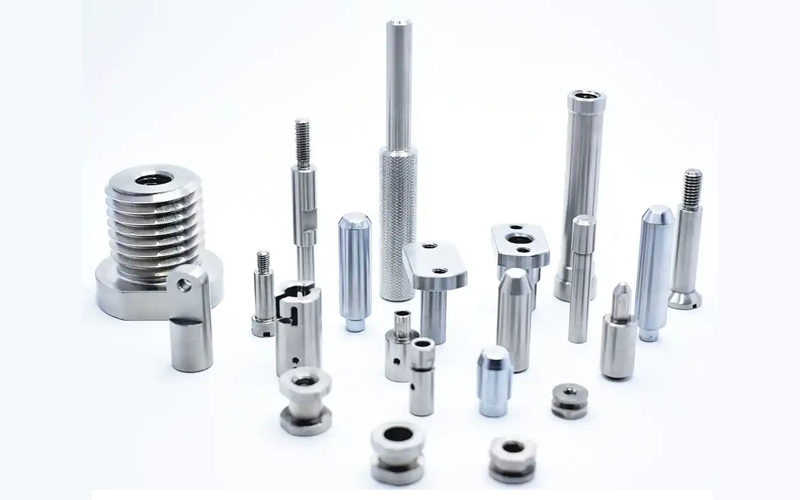
Our company, Yuhuan Hongqian, based in Taizhou, China, specializes in custom CNC machining of brass fittings, providing precise tolerances, high-quality threads, and long-lasting performance for residential, commercial, and industrial projects worldwide. We serve clients in Europe, North America, and other regions, offering both standard and fully customized solutions to meet specific piping requirements.
Whether you are a DIY enthusiast, a professional plumber, or an industrial designer, understanding the types, uses, and limitations of brass fittings is key to achieving leak-free and efficient installations.
What is a Brass Fitting?
A brass fitting is a connector or adapter designed to join, terminate, or redirect pipes in plumbing or industrial systems. Compared to plastic or steel alternatives, brass offers a perfect balance of strength, corrosion resistance, and machinability, making it ideal for home and industrial projects.
Our company expertise ensures that every brass fitting is manufactured using CNC machining, which guarantees precise threading, accurate dimensions, and full compatibility with various piping systems. Whether for small-scale DIY projects or large industrial installations, our fittings are built to deliver consistent, high-quality performance.
Types of Brass Pipe Fittings
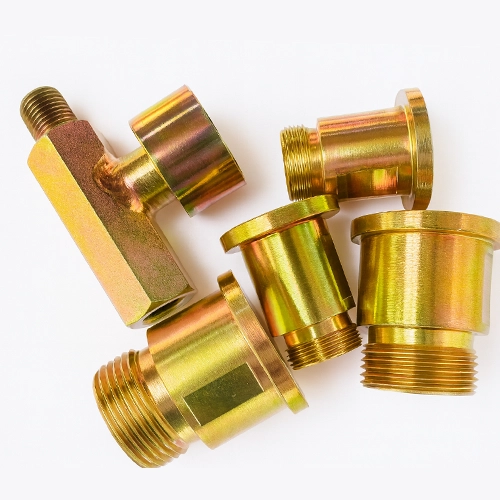
Brass fittings come in different shapes and functions to suit a wide variety of piping configurations:
-
Elbow: Changes pipe direction, commonly 45° or 90°.
-
Tee: Divides or combines flow in three directions.
-
Coupler/Connector: Joins two male-threaded pipes securely.
-
Reducer: Connects pipes of different diameters, allowing smooth transitions.
-
Nipple: Short connecting pipe, often used to extend or connect fittings.
-
End Cap: Closes the end of a pipe to prevent leaks or contamination.
Each fitting may feature male, female, or combined threads. Our CNC machining service ensures precise threading and accurate dimensions, making fittings compatible with your existing system and customized project requirements.
When to Use Brass Fittings
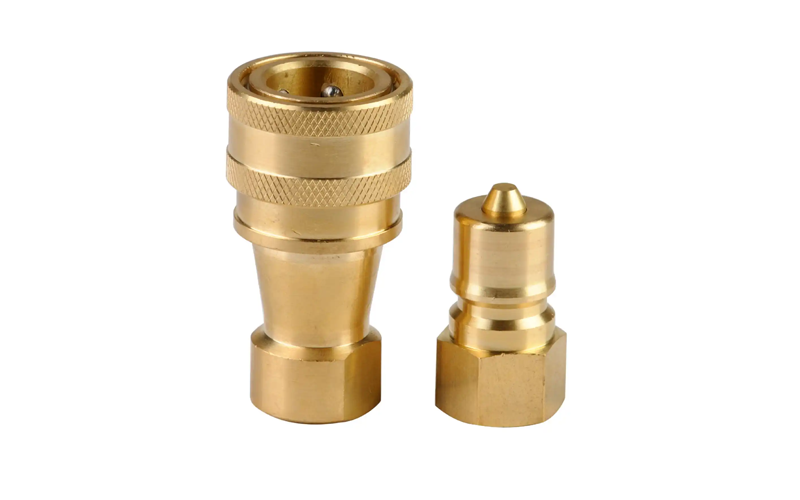
Brass fittings are highly versatile and suitable for a wide range of scenarios:
-
Residential plumbing: Water supply lines, taps, radiators.
-
Low-pressure gas pipelines: Ideal for homes and small industrial applications.
-
Industrial machinery: Systems handling non-corrosive liquids that require precise components.
Advantages of using brass fittings:
-
Excellent corrosion resistance in water and mild chemicals.
-
High durability and mechanical strength.
-
Reusable and easy to install.
-
Suitable for indoor and controlled industrial environments.
Company highlight: Yuhuan Hongqian provides custom CNC brass fittings for clients worldwide, ensuring reliability, precision, and long-lasting performance for all types of projects.
When Not to Use Brass Fittings
Although brass fittings have many benefits, they are not suitable for every environment:
-
High-pressure gas systems exceeding recommended limits.
-
Highly acidic or alkaline chemical pipelines, which can corrode brass.
-
Outdoor applications with dissimilar metals, leading to galvanic corrosion.
Using brass fittings in unsuitable environments may cause leaks, component failure, and reduced system lifespan. Our experts can recommend alternatives such as stainless steel fittings or coated brass solutions to ensure safety and durability.
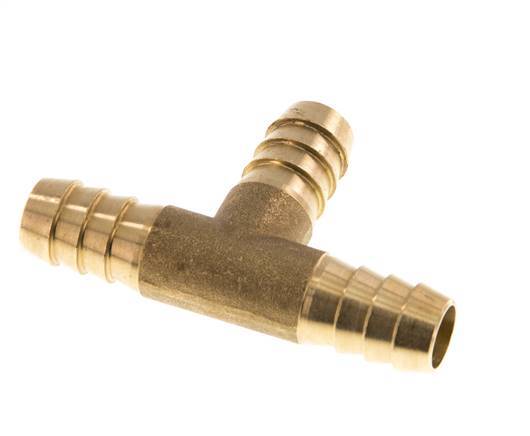
Brass vs Stainless Steel Fittings
Choosing the right material depends on your project. The comparison below highlights key differences:
| Feature | Brass | Stainless Steel |
|---|---|---|
| Corrosion resistance | Good in water, moderate in some chemicals | Excellent, resistant to most chemicals |
| Strength | Moderate | Very high |
| Cost | Moderate | High |
| Ease of installation | Easy to machine & thread | Harder to machine, may need special tools |
| Common uses | Plumbing, low-pressure gas | Industrial, high-pressure, chemical |
| Custom solutions | CNC machined brass fittings available | CNC stainless steel available on request |
For high-corrosion or high-pressure environments, stainless steel may be preferable. For most plumbing, DIY, and light industrial applications, custom CNC brass fittings offer the best balance of cost, precision, and reliability.
How to Install Brass Fittings Correctly
Proper installation ensures leak-free performance:
-
Wrap threads with PTFE tape or apply thread sealant.
-
Avoid overtightening to prevent cracking or damage.
-
Confirm compatibility with pipe type and size.
Our company’s CNC brass fittings are manufactured to tight tolerances and tested for leak-free performance, allowing for smooth and reliable installation.

Tips for Choosing the Right Brass Fitting
To select the appropriate fitting:
-
Measure your pipe diameter accurately.
-
Verify thread type (Metric ,BSP, NPT, male, or female).
-
Consider flow requirements and space limitations.
-
Purchase certified and tested fittings for safety.
-
Consult our experts for custom solutions, including special sizes, threads, and CNC machining specifications.
Case example: We recently supplied a European client with custom brass fittings machined to ±0.01 mm tolerance, ensuring perfect alignment in a low-pressure gas system.
Conclusion
Brass pipe fittings remain a top choice for plumbing, gas, and industrial applications due to their durability, ease of installation, and corrosion resistance. Knowing their limitations and comparing them to alternatives like stainless steel ensures the right material is chosen.
Yuhuan Hongqian specializes in custom CNC brass fittings, delivering high-precision, high-quality components for residential, commercial, and industrial projects worldwide. From standard elbows and tees to fully customized connectors, we provide reliable solutions for all piping systems.
Call to action: Contact us today to discuss your custom brass fitting requirements or request a quote for CNC machining services from China.
FAQ
-
What is a brass fitting?
A connector used to join, terminate, or redirect pipes in plumbing or industrial systems. -
When should I avoid using brass fittings?
In high-pressure, highly acidic, or corrosive environments. -
Are brass fittings better than stainless steel fittings?
It depends on the application: brass is ideal for plumbing and low-pressure systems, stainless steel for high-pressure or chemical exposure. -
How do I seal brass fittings to prevent leaks?
Use PTFE tape or thread sealant and tighten appropriately. -
Can your company provide custom brass fittings for specific pipe diameters or thread types?
Yes, Yuhuan Hongqian offers CNC machined custom fittings tailored to your project specifications.