Essential CNC Machining Techniques for Galvanized Pipe Connectors
CNC machining is one of the most reliable methods for producing precision custom parts, galvanized pipe connectors, and various metal components. To achieve stable quality and high efficiency, manufacturers must control every stage—from planning and programming to machining, inspection, and maintenance. Below is a practical guide to the key points that ensure consistent, high-precision CNC turning and milling results.
1. Process Planning – Building the Foundation of Precision
Before any cutting begins, the entire machining route must be clearly planned. Good planning prevents rework and ensures dimensional stability.
1.1 Understanding Part Drawings
Engineers must carefully analyze:
-
Dimensional tolerances
-
Geometric tolerances (parallelism, flatness, perpendicularity)
-
Surface roughness requirements
Critical surfaces should always be processed first for consistent accuracy.
1.2 Designing an Efficient Machining Route
A standard sequence is:
-
Rough machining → semi-finishing → finishing
-
External features first → internal features later
This approach reduces deformation and improves surface stability.
1.3 Selecting Tools and Fixturing
Tool choice depends on material:
-
Aluminum → HSS or coated carbide
-
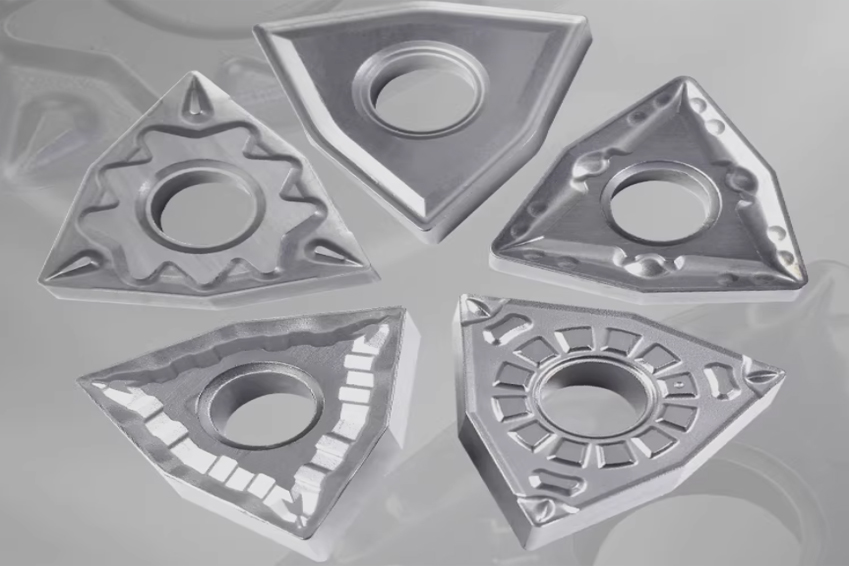
Stainless steel → carbide
-
Carbon steel → high-strength wear-resistant tools
Fixturing must keep the part stable without causing deformation, especially during CNC turning operations.
2. CNC Programming – The Core Driver of Precision
Programming directly influences machining accuracy, spindle load, surface quality, and cutting efficiency.
2.1 Choosing the Programming Approach
-
Simple parts → manual G-code
-
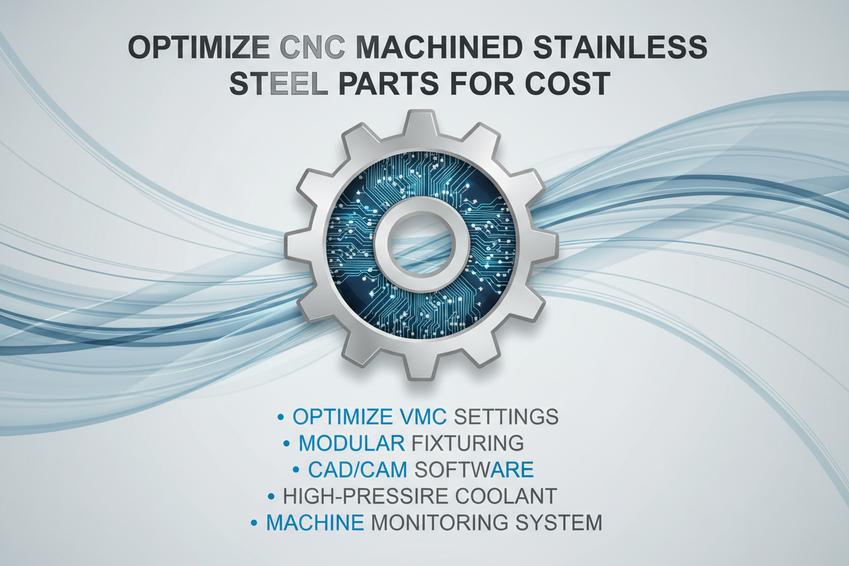
Complex or 3D surfaces → CAD/CAM (Mastercam, UG, Fusion 360)
CAM reduces calculation errors and increases path consistency.
2.2 Optimizing Cutting Parameters
Key parameters include:
-
Spindle speed
-
Feed rate
-
Depth of cut
Adding tool length compensation and cutter radius compensation prevents deviations caused by tool wear.
2.3 Simulation and Verification
Virtual simulation helps identify:
-
Collisions
-
Over-cutting
-
Incorrect toolpaths
This step protects both parts and equipment.
3. Machining Process Control – Ensuring Stable Quality
Even with an optimized program, real-time monitoring is essential.
3.1 First-Article Inspection
Before mass production:
-
Produce one trial piece
-
Measure with calipers, micrometers, or CMM
-
Adjust tool offsets if needed
This ensures repeatable quality for custom parts and pipe fittings.
3.2 Monitoring Cutting Conditions
Operators must watch:
-
Chip formation
-
Cutting sound
-
Spindle load
-
Vibration
Abnormalities often indicate tool wear or clamping issues.
3.3 Controlling Deformation
Thin-wall parts, long shafts, and aluminum components require:
-
Smaller depth cuts
-
Strong coolant flow
-
Balanced clamping pressure
-
Multi-stage machining
These techniques reduce bending and thermal deformation.
4. Equipment & Tool Maintenance – The Hidden Key to Accuracy
Stable equipment condition is crucial for consistent machining results.
4.1 Daily Machine Care
Routine checks include:
-
Lubrication oil level
-
Air pressure
-
Chip removal
-
Guideway cleaning
-
Spindle runout inspection (≤0.005 mm recommended)
A stable machine guarantees stable tolerances.
4.2 Tool Management
Good tool care helps maintain long-term cutting quality:
-
Clean tools after each use
-
Inspect for wear
-
Replace or re-grind as needed
Dull or damaged tools can quickly compromise accuracy.
5. Final Inspection & Production Traceability
A complete inspection confirms whether the part meets all customer requirements.
5.1 Full-Dimension Inspection
Check:
-
Key dimensions
-
Surface finish
-
Flatness, perpendicularity, concentricity
High-precision parts should be measured in a temperature-controlled room.
5.2 Traceability Records
Manufacturers should record:
-
Program versions
-
Tool life data
-
Operator information
-
Measurement results
These records help quickly identify and solve issues in future production runs.
Conclusion
Mastering CNC machining requires expertise in planning, programming, cutting control, and equipment maintenance. Whether producing precision galvanized pipe connectors, custom industrial components, or CNC turning parts, following these key principles ensures stable quality, tight tolerances, and efficient production.