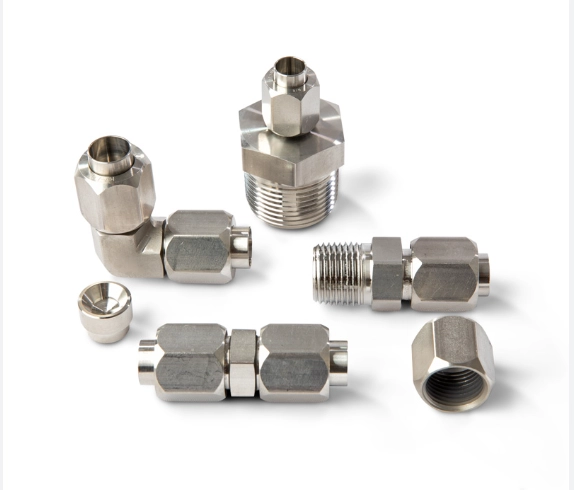
Custom cnc turning parts aren’t just metal on a lathe—they’re the heartbeat of your assembly line. When deadlines loom and tolerances tighten, one late shipment can knock production sideways. You need parts that hit spec every single run, not a roll of the dice.
Grand View Research reports the global CNC machining market is projected to surpass $160 billion by 2030—competition’s fierce, and only the precise survive.
So here’s the deal: speed matters, consistency matters more. The right partner machines like a pit crew—fast hands, sharp eyes, zero drama—so your operation keeps humming without missing a beat.
Melody of Custom CNC Turning Parts Insights
➔ Material Selection: Choose alloys or engineering plastics based on strength, corrosion resistance, and application demands.
➔ Precision Tolerances: Define tight tolerances and surface-finish requirements early to streamline machining and inspection.
➔ Turnaround Efficiency: Leverage multi-axis turning, live tooling, and automated systems to minimize setups and lead time.
➔ Partner Expertise: Verify certification standards, tooling support, and global logistics for consistent delivery and quality.
What Are Custom CNC Turning Parts?
Custom CNC turning parts are everywhere, even if most folks never notice. From tiny shafts to high-load fittings, these precision-made pieces keep machines running smoothly and safely every single day.
Precision Machined Cylindrical Parts With Tight Tolerances and Critical Dimensions
When people talk about custom cnc turning parts, they usually mean high-accuracy cylindrical parts shaped through advanced CNC turning and precision machining. These are not basic metal pins; these are engineered machined components built around strict specs.
- Core characteristics of custom cnc turning parts:
- High dimensional accuracy
- Controlled surface roughness
- Repeatable batch consistency
- Stable concentricity
- Geometry control
- Diameter tolerance
- Surface finish value
- Runout limitation
Under the hood, precision machining follows a layered control logic:
- Design Stage
- CAD modeling of critical dimensions
- Tolerance stack-up analysis
- Programming Stage
- Tool path simulation
- Speed and feed optimization
- Machining Stage
- Real-time spindle monitoring
- Tool wear compensation
- Inspection Stage
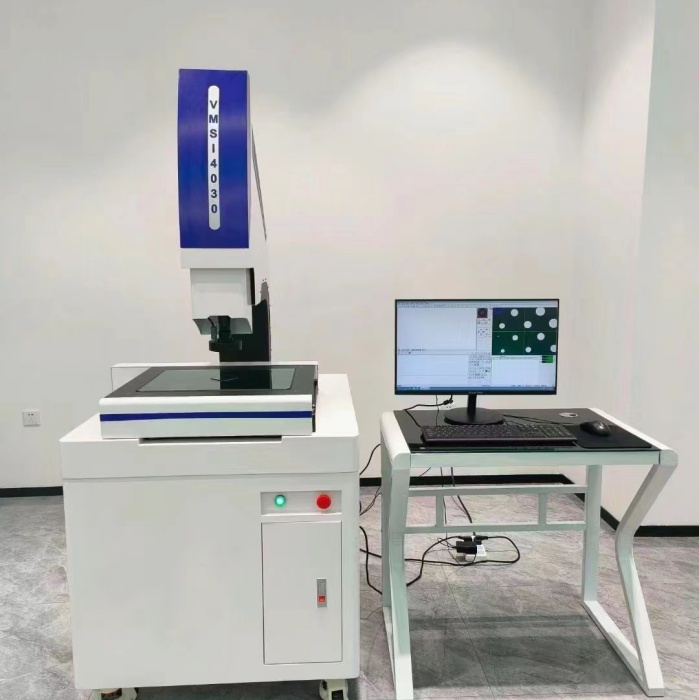
- CMM validation
- Statistical process control
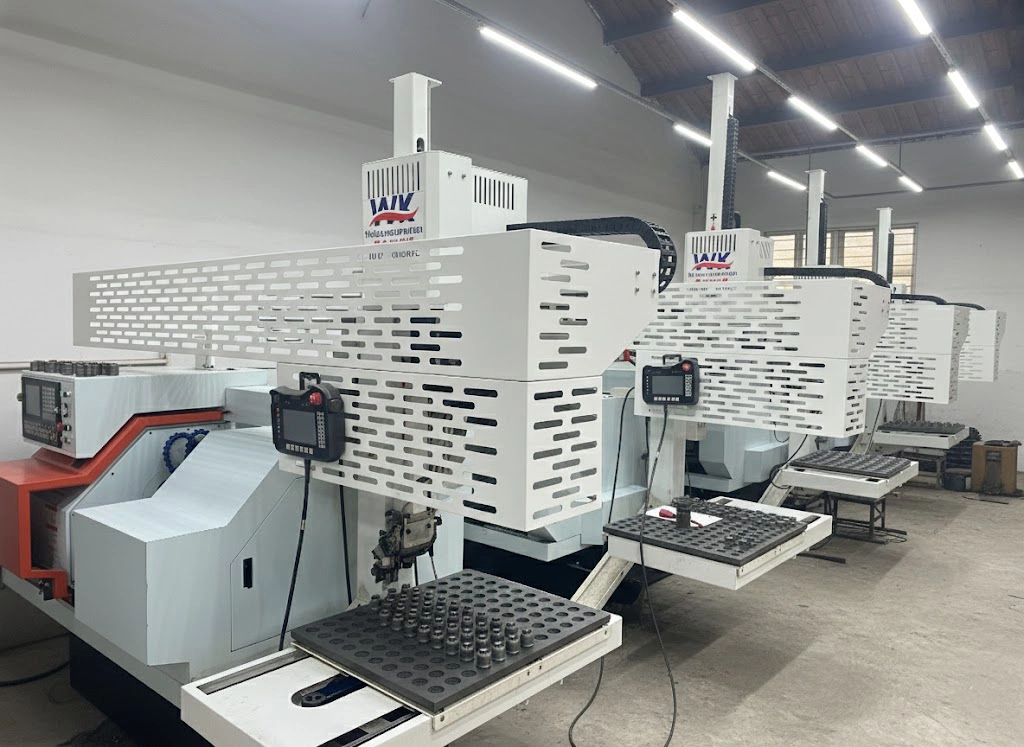
Typical tolerance capability for high-end CNC turned components:
| Feature Type | Standard Tolerance (mm) | High-Precision (mm) | Surface Finish (Ra µm) | Concentricity (mm) |
|---|---|---|---|---|
| Outer Diameter | ±0.02 | ±0.005 | 1.6 | 0.01 |
| Inner Bore | ±0.03 | ±0.008 | 1.6 | 0.015 |
| Thread Pitch | ±0.05 | ±0.01 | 3.2 | — |
| Shaft Length | ±0.05 | ±0.01 | 3.2 | — |
| Groove Width | ±0.03 | ±0.008 | 1.6 | 0.02 |
That’s why industries that depend on custom cnc turning parts don’t gamble on quality. Brands like yuuhuan hongqian focus on stable spindle control, strict inspection, and consistent batch delivery, which keeps CNC turning parts within spec and ready for tough jobs.
Materials Commonly Used in Custom CNC Turning: Stainless Steel Alloys to Engineering Plastics
Material choice makes or breaks custom cnc turning parts. The wrong alloy? Bad wear. Wrong polymer? Deformation under load.
Common CNC turning materials include:
- Stainless steel alloys (304, 316, 420)
- Aluminum grades (6061, 7075)
- Titanium alloys (Ti-6Al-4V)
- Brass and bronze
- Engineering plastics like POM, PTFE, and Nylon
Material selection logic usually flows like this:
- Mechanical Demand
- Tensile strength
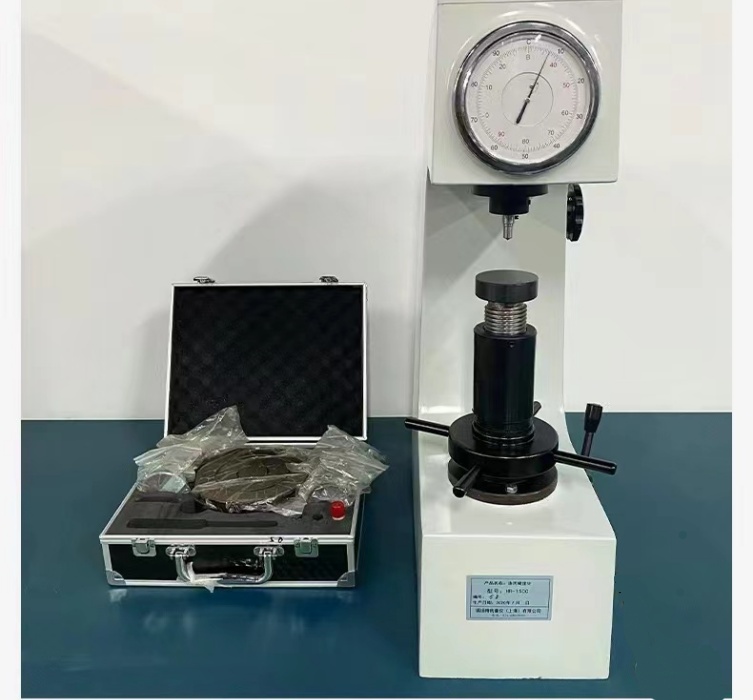
- Hardness
- Fatigue life
- Environmental Exposure
- Corrosion resistance
- Heat stability
- Machining Behavior
- Chip formation
- Tool wear rate
- Coolant compatibility
In metal machining, stainless steel alloys dominate structural uses. In polymer machining, lightweight CNC turned parts reduce vibration and cost. For hybrid systems, mixing metal shafts with plastic bushings is common in custom CNC machining projects.
yuuhuan hongqian works across machinable materials, balancing strength, corrosion resistance, and price. That flexibility matters when custom cnc turning parts must hit both engineering and budget targets.
From Aerospace Components to Medical Devices — Where CNC Turned Parts Are Used
Applications for custom cnc turning parts are wide-ranging, but the demand pattern is pretty clear: high precision, zero drama.
- Aerospace components
- Fuel system fittings
- Landing gear pins
- Medical devices
- Surgical instrument shafts
- Implant connectors
- Automotive parts
- Sensor housings
- Transmission sleeves
- Electronics manufacturing
- Threaded standoffs
- Shielding spacers
Industrial logic often looks like this:
- Performance requirement defined
- Material selected
- CNC turning process optimized
- Prototype validated
- Batch production released
In aerospace, weight and critical dimensions rule. In medical devices, surface integrity and traceability are non-negotiable. In automotive lines, repeatability across thousands of CNC turning parts keeps assembly smooth and fast.
That’s the everyday reality of custom cnc turning parts. Quiet. Precise. Reliable. And when produced by experienced teams like yuuhuan hongqian, those turned components simply fit, function, and last.
Factors Influencing Custom CNC Turning Parts Lead Time
Lead time for custom cnc turning parts can feel confusing when deadlines get tight. From design quirks to shipping routes, every detail shapes how fast cnc turning parts move from raw stock to finished components.
Complex Geometries and Tight Tolerances Can Extend Machining Schedules
When producing custom cnc turning parts, machining isn’t just about cutting metal. It’s about managing machining complexity and hitting strict tolerance specifications without slipping on deadlines.
- Design Factors
- Geometric features
- Deep grooves
- Thin walls
- Micro threads
- Required dimensional accuracy
- ±0.01 mm tolerance
- Concentricity control
- Geometric features
- Process Impact
- Increased machining time
- Additional tooling requirements
- Extra inspection for surface finish requirements
For cnc custom parts with demanding finishes, polishing and secondary checks stretch schedules further. Precision cnc turning parts often require multiple setups, and each reset adds hours. At yuuhuan hongqian, engineering reviews happen early, reducing surprises before mass production of custom cnc turning parts even begins.
Material Availability: Stainless Steel Alloys, Titanium Alloys, and Exotic Metals
Material sourcing drives the clock for custom cnc turning parts.
- Material selection
- Stainless steel grades
- Titanium alloys
- Exotic metals
- Supply Chain Control
- Stock availability
- Certified traceability
- Lead time for materials
| Material Type | Avg. Stock Lead (Days) | Certification Time (Days) | Machining Difficulty (1–5) |
|---|---|---|---|
| Stainless Steel 304 | 5–7 | 2 | 2 |
| Titanium Ti-6Al-4V | 10–14 | 3 | 4 |
| Inconel 718 | 15–20 | 4 | 5 |
If material sourcing stalls, cnc turning parts production pauses. Reliable partners like yuuhuan hongqian maintain stable supply channels, keeping custom cnc parts flowing.
Production Capacity and Engineering Support From the CNC Turning Supplier
Lead time depends heavily on internal strength.
- Manufacturing Core
- Manufacturing capacity
- CNC lathe quantity
- Shift planning
- Equipment availability
- Manufacturing capacity
- Technical Backbone
- Engineering expertise
- Real-time technical support
- Skilled workforce allocation
- Performance Control
- Ongoing process optimization
- Strict quality control
Strong planning keeps custom cnc turning parts on track. When machines, people, and systems sync up, cnc turning parts move fast without cutting corners.
Delivery Schedules and Global Distribution in the Supply Chain
After machining, logistics take over.
- Internal packing aligned with shipping logistics.
- Selection of transportation methods: air, sea, or rail.
- Coordination with distribution networks for global reach.
- Customs paperwork and customs clearance review.
- Final tracking of delivery timelines.
- Fast-track options
- Expedited shipping
- Priority freight lanes
- Risk Control
- Backup carriers
- Regional warehousing
Even the best custom cnc turning parts lose value if delivery drags. That’s why yuuhuan hongqian aligns machining schedules with outbound plans, ensuring cnc turning parts arrive right when customers need them.
3 Factors Affecting Custom CNC Turning Parts Turnaround
Fast delivery of custom cnc turning parts is not luck. It’s about machines, inspection discipline, and smart planning working together. When custom cnc turning, CNC turning parts production, and volume control align, turnaround shrinks without cutting corners.
Precision Machining Efficiency With Multi-Axis Turning and Live Tooling
Speed in custom cnc turning parts production starts on the shop floor.
- Equipment Capability
1.1 Multi-axis turning
- Cuts multiple faces in one clamp.
- Reduces reposition errors.
1.2 Live tooling
- Integrates milling and drilling during turning.
- Handles complex geometries without secondary setups.
- Process Engineering
2.1 Toolpath optimization
- Refines cutting paths for smoother motion.
- Lowers spindle idle time.
2.2 Cycle time reduction
- Adjusts feed rates and tooling angles.
- Balances speed with surface finish.
- Output Impact
- Higher machining efficiency
- Stable repeatability for custom turning parts
- Fewer handoffs between machines
For high-mix custom cnc turning parts, fewer setups mean fewer delays. Shops like yuuhuan hongqian rely on integrated turning centers so CNC machined components move straight from raw bar to finished profile without bouncing around the workshop.
Inspection Protocols and Dimensional Verification for Critical Dimensions
Tight deadlines fall apart when parts fail inspection. So quality control must run in parallel with machining.
- In-Process Control
1.1 Operator checks on key critical dimensions
1.2 Real-time offset correction to protect tolerances
- Final Verification
2.1 Structured inspection protocols
- Sampling plans by batch size
- Surface and thread validation
2.2 CMM inspection
- Confirms measurement accuracy within microns
- Records digital reports for traceability
- Risk Reduction
- Strong dimensional verification avoids rework
- Stable quality control protects shipment dates
For custom cnc turning parts, one missed tolerance can stall the whole order. Dialed-in inspection keeps CNC turning parts moving instead of sitting in quarantine.
Lead Time Management Through Automated Production and Volume Planning
Lead time is more than machine speed. It’s planning.
- Production Strategy
1.1 Automated production cells
- Bar feeders for lights-out shifts
- Auto tool monitoring
1.2 Balanced capacity planning
- Aligns spindle hours with order size
- Scheduling Discipline
2.1 Smart production scheduling
- Short runs of custom cnc turning parts grouped by material
2.2 Real-time workflow optimization
- Tracks queue times per machine
- Inventory and Forecast
3.1 Data-driven volume planning
3.2 Lean inventory management to prevent raw material gaps
When custom cnc turning parts orders scale up, predictable flow beats chaos. Strong lead time management keeps custom CNC turning steady, protects margins, and ensures CNC turning parts ship on time without last-minute panic.
CNC Turning Vs CNC Milling For Custom Parts
Choosing between CNC processes can feel tricky. When producing custom CNC turning parts or complex milled components, the right method shapes cost, speed, and precision. Here’s a straight-up breakdown.
CNC Turning
When manufacturing custom cnc turning parts, the core principle is simple: the workpiece spins on a lathe under controlled rotational motion, while fixed tools handle material removal.
- Core Motion System
1.1 Workpiece Rotation
- Driven by spindle speed (RPM)
- Critical for round accuracy
- Ensures stable cylindrical parts production
1.2 Tool Engagement
- Linear feed along X/Z axes
- Produces smooth diameters
- Ideal for shafts and screws
- Part Geometry Suitability
2.1 Symmetrical Profiles
- Bushings
- Pins
- Spacers
2.2 Tight Tolerance Demands
- Concentricity control
- Surface finish below Ra 1.6 µm
- Reliable high precision output
- Performance Snapshot
| Parameter | CNC Turning | Typical Range |
|---|---|---|
| Diameter Accuracy | ±0.005 mm | Small-medium parts |
| Surface Finish | Ra 0.8–3.2 µm | Depends on feed |
| Production Speed | 1.5–3× faster | vs milling round parts |
For round custom turning parts, efficiency is hard to beat. Less repositioning. Cleaner symmetry. Lower cycle time. That’s why precision CNC turning parts dominate automotive and fluid systems.
CNC Milling
CNC milling flips the setup. The material stays still while the cutting tool spins inside a milling machine, often running multi-axis paths to create complex shapes.
Here’s how it stacks up:
- Great for flat surfaces, angled faces, and non-round profiles
- Handles slots, pockets, and irregular cavities
- Supports 3-axis to 5-axis machining
Production usually follows a clear flow:
- Clamp the raw block securely.
- Program toolpaths for roughing.
- Switch tools for finishing passes.
- Inspect critical dimensions.
Short runs? No problem. Intricate housings? Easy. But for purely round CNC turned parts, milling may add extra machining time.
“Global demand for multi-axis CNC machining continues to rise, driven by aerospace and EV component complexity,” notes a 2025 outlook from MarketsandMarkets, highlighting sustained growth in precision machining technologies.
In plain terms, use turning for round custom cnc turning parts. Choose milling for geometry that refuses to spin nicely. Both remove metal. The difference lies in motion, shape freedom, and production rhythm.

Selecting A Reliable CNC Turning Parts Manufacturer
Choosing the right partner for custom cnc turning parts is not just about price. It’s about skill, consistency, and how well a team handles pressure. From cnc turning parts for tight-tolerance shafts to full custom machining parts programs, the details matter. Let’s break down what really counts.
Tooling Expertise and Engineering Support for Complex Geometries
When sourcing custom cnc turning parts, complex shapes demand more than basic programming. The right manufacturer builds strength around three core areas:
- Engineering Foundation
- tooling design
- Cutting tool geometry selection
- Insert grade matching to material selection
- fixture design
- Multi-axis clamping
- Vibration control for thin-wall parts
- tooling design
- Digital Integration
- CAD/CAM integration
- Toolpath simulation
- Collision verification
- design for manufacturability
- Wall thickness review
- Radius optimization
- CAD/CAM integration
- Process Control
- machining processes alignment
- Continuous process optimization
- Real-time offset adjustment
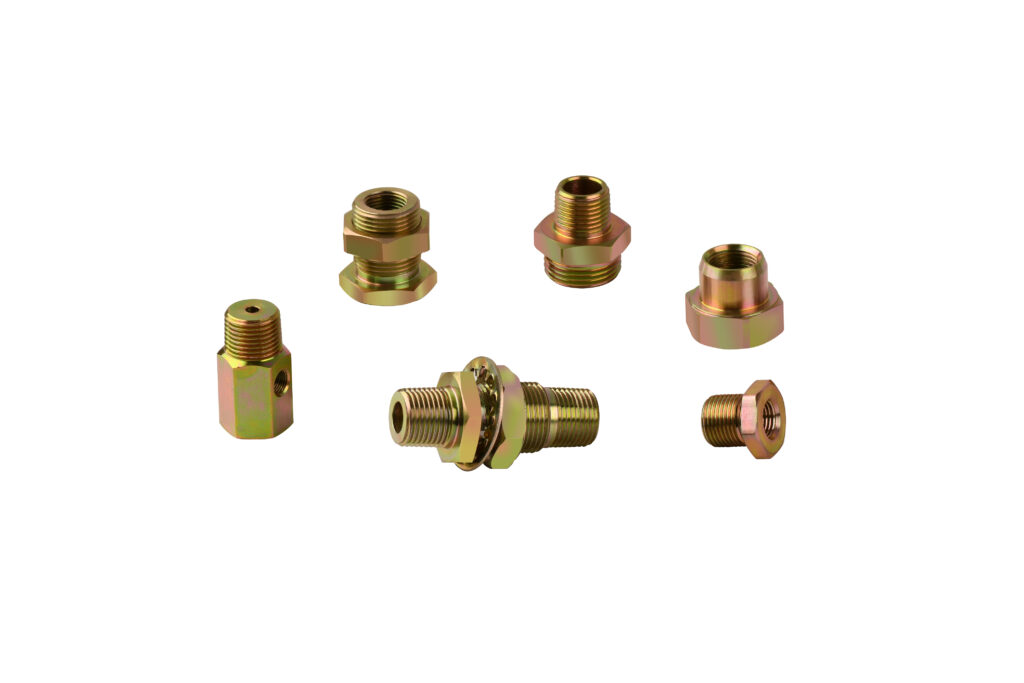
At yuuhuan hongqian, engineering teams review drawings for custom CNC turned parts before chips even fly. That early feedback saves scrap and shortens lead time. For buyers of cnc turned components, that’s money back in the pocket.
Certification Standards and Metrology Equipment for Dimensional Accuracy
Precision isn’t talk; it’s proof. Reliable suppliers anchor quality around:
- ISO certification compliance
- Structured quality control systems
- Full traceability for raw materials
Measurement matters. Here’s a quick reference table commonly used in cnc turning parts production:
| Inspection Item | Tool Used | Tolerance Range (mm) | Calibration Cycle | SPC Applied |
|---|---|---|---|---|
| Outer Diameter | CMM | ±0.005 | 6 months | Yes |
| Inner Bore | Air Gauge | ±0.003 | 3 months | Yes |
| Thread Pitch | Thread Gauge | ±0.01 | 12 months | No |
| Surface Roughness | Profilometer | Ra 0.8–1.6 | 6 months | Yes |
| Length | Digital Micrometer | ±0.01 | 3 months | Yes |
All tools undergo scheduled calibration, and statistical process control tracks variation trends.
“Suppliers investing in advanced metrology and traceability systems are outperforming peers in defect reduction and delivery reliability,” notes a 2025 manufacturing outlook published by Deloitte.
yuuhuan hongqian aligns its dimensional inspection workflow with global OEM expectations, giving buyers confidence in every batch of custom cnc turning parts.
Prototype Development to Volume Production Capability
Scaling from a single prototype to 100,000 cnc turning parts calls for planning.
- Early Stage
- prototype machining validation
- Rapid drawing feedback
- Validation Stage
- Controlled pilot runs
- Capability study
- Tool wear tracking
- Lead time reduction planning
- Controlled pilot runs
- Expansion Stage
- scaling production cells
- capacity management review
- production planning with demand forecasts
- tooling amortization cost balancing
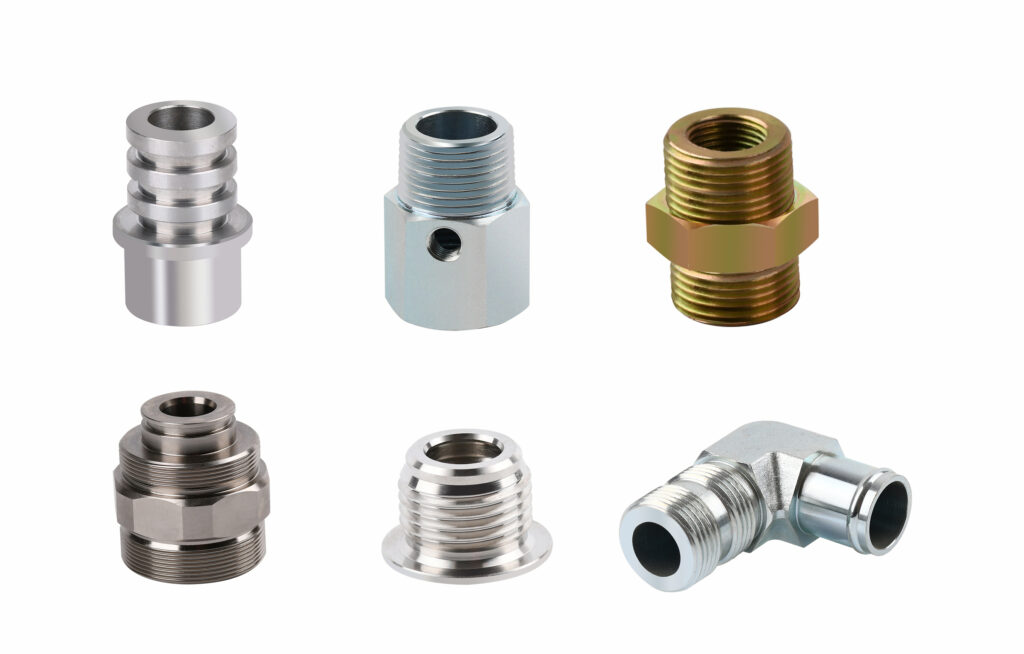
For buyers of custom machining parts, this smooth ramp-up avoids the classic “prototype works, production fails” headache. yuuhuan hongqian builds production plans around forecast swings, so custom cnc turning parts stay consistent from lot one to lot one thousand.
Inventory Management and Packaging Requirements for Global Shipping
Global supply chains can get messy. Smart management keeps cnc turning parts moving without drama.
- Internal Handling
- parts kitting per assembly set
- Barcode-based labeling
- Climate-controlled storage solutions
- Packaging Control
- Anti-rust oil application
- Vacuum-sealed custom packaging
- Shock-resistant carton layering
- Outbound Logistics
- Verified shipping documentation
- Real-time logistics coordination
- ERP-linked supply chain integration
Buyers ordering custom CNC turned parts for overseas plants need zero confusion at customs. Clean labels. Accurate counts. Protected surfaces.
yuuhuan hongqian supports global clients with flexible stocking programs, making repeat orders of custom cnc turning parts simple and stress-free.
Fast Turnaround Strategies For Custom CNC Turning Parts
Speed matters. When customers order custom cnc turning parts, they expect tight tolerances and fast shipping. Here’s how smart shops keep cnc turning parts moving without cutting corners.
Multi-Axis Turning and Live Tooling for High-Speed Precision Machining
When producing custom cnc turning parts, reducing setups is the real game changer.
- Core capability
- multi-axis turning
- Enables machining on multiple planes
- Handles complex geometries in single-setup manufacturing
- live tooling
- Adds milling and drilling during turning
- Cuts down repositioning time
- multi-axis turning
- Performance impact
- high-speed machining improves spindle utilization
- reduced cycle times boost output of cnc turned parts
- Stable precision machining protects surface finish
- Business result
- Fewer transfers
- Lower handling risk
- Faster turnaround for custom CNC components
At yuuhuan hongqian, integrated multi-axis cells keep custom cnc turning parts flowing with minimal idle time.
Smart Lead Time Management Through Automated Production Systems
Fast delivery of custom cnc turning parts depends on tight lead time management. It’s not guesswork; it’s control.
- automated production links machines with ERP.
- production scheduling adjusts in real time.
- workflow optimization balances spindle loads.
With real-time monitoring, managers spot bottlenecks early. Small tweaks protect production efficiency. That’s smart manufacturing in action.
- Quick wins include:
- Shorter queue times
- Fewer manual updates
- Better visibility on cnc turning parts status
Customers ordering custom machined parts feel the difference—clear timelines, fewer surprises.
Secondary Operations and Post-Machining Treatments Without Production Delays
Shipping half-finished cnc turning parts wastes days. Keeping secondary operations in-house changes the pace.
- Integrated flow
- Machining
- post-machining treatments
- surface finishing
- heat treatment
- plating
- Light assembly
- Operational advantages
- Tighter coordination
- Fewer transport gaps
- Predictable on-time delivery
For buyers of custom cnc turning parts, this means one supplier, one schedule, less stress. Yuuhuan hongqian aligns machining and finishing under one roof to avoid the usual back-and-forth.
Statistical Process Control Ensuring Consistent Dimensional Accuracy
Consistency keeps cnc turning parts from drifting out of spec.
- Monitoring system
- statistical process control tracks key data
- In-process inspection verifies offsets
- Quality focus
- Stable dimensional accuracy
- Strict tolerance adherence
- High repeatability
- Output stability
- Batch-level part consistency
- Fewer reworks
- Reliable custom CNC components
According to a 2025 SME Manufacturing Outlook update, shops applying real-time process monitoring report measurable gains in scrap reduction and dimensional stability across high-mix production.
That lines up with what buyers expect from serious custom cnc turning parts suppliers.
Supply Chain Resilience and Flexible Shipping Methods for Faster Delivery
Even perfect cnc turning parts mean little without strong supply chain planning.
- Material strategy
- Dual-source global sourcing
- Buffer stock for critical alloys
- Strong supplier resilience
- Logistics control
- Local warehousing
- Smart transportation routing
- Mix of standard and expedited shipping
Need faster delivery speed? Flexible shipping upgrades keep projects on track. For global customers ordering custom cnc turning parts, yuuhuan hongqian supports stable logistics so precision parts arrive right when needed.
FAQs about Custom Cnc Turning Parts
What are custom CNC turning parts used for in large-scale manufacturing?
Custom cnc turning parts sit at the core of high-demand industries where failure is not an option.
- Aerospace components & defense sector: tight tolerances, lightweight titanium alloys, critical dimensions that protect lives.
- Medical devices: precision machining for implant housings and surgical tools with strict surface finish requirements.
- Automotive parts: shafts, bushings, and concentric forms produced in volume production.
- Industrial machinery & electronics enclosures: durable stainless steel alloys and aluminum grades built for long service cycles.
From small part size range prototypes to repeat orders in the thousands, dimensional accuracy defines performance.
Which materials are commonly used for custom CNC turning parts?
Material choice shapes strength, weight, and corrosion resistance. Typical options include:
- Stainless steel alloys – durability and chemical resistance.
- Aluminum grades – lightweight and cost-efficient for automated production.
- Titanium alloys – high strength for aerospace components.
- Brass and bronze – smooth machining and electrical conductivity.
- Engineering plastics & exotic metals – specialized environments and insulation needs.
Each selection must match complex geometries, load demands, and post-machining treatments.
How does production capacity affect lead time for bulk orders?
When deadlines tighten, production capacity becomes decisive. A capable supplier combines:
- Multi-axis turning with live tooling capabilities to reduce setups.
- Engineering support and tooling expertise to stabilize repeat runs.
- Automated production cells that improve lead time management.
Balanced with supply chain resilience and steady inventory management, delivery schedules stay controlled instead of chaotic.
How is consistent dimensional accuracy maintained across large batches?
Precision is protected through layered control:
- Structured inspection protocols using advanced metrology equipment.
- Statistical process control to monitor critical dimensions in real time.
- Dimensional verification before and after secondary operations.
- Material traceability backed by certification standards.
Under pressure, these systems keep surface finish requirements and tight tolerances from drifting off target.
How can a reliable manufacturer shorten delivery schedules for high-volume custom CNC turning parts?
Speed without care risks failure; speed with structure wins contracts. A strong partner aligns:
- Prototype development → smooth transition to volume production.
- Integrated secondary operations and post-machining treatments → fewer outside delays.
- Secure packaging requirements and optimized shipping methods → stable global distribution.
When production capacity, inspection discipline, and logistics coordination move together, custom cnc turning parts arrive ready for assembly—on time and without compromise.