Hex nipples don’t look like heroes. Small, hex‑shaped, easy to overlook—until a cheap one starts weeping behind a finished wall or shuts down a production line. In plumbing, the tiniest fitting can make you look like a genius… or cost you a weekend and a truckload of callbacks.
IBISWorld reports the U.S. plumbing supply industry pulls in over $120 billion annually—proof that the stakes aren’t pocket change. As the American Society of Plumbing Engineers puts it, “System reliability starts at the connection.” That connection is often this little threaded workhorse.
Pick the right material, thread, and rating now—or pay for it later.
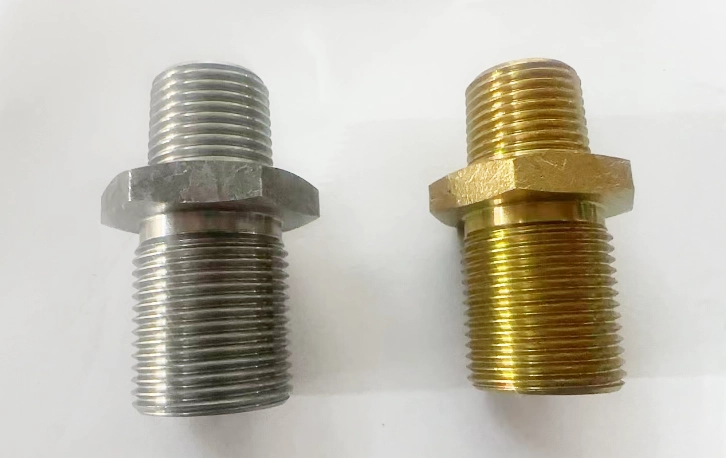
Understanding Hex Nipple Materials
Hex nipples might look like small parts, yet in piping systems they carry serious weight. Choosing the right hex nipples, or even the right hex nipple fitting, can save time, money, and a lot of future headaches. Let’s break down how material choice shapes performance, from water lines to chemical plants.
Why Brass Hex Nipples Excel in Corrosive Environments
When it comes to brass, the talk usually starts with corrosion resistance, but that’s just part of the story.
- Material Performance
- Core Strengths
- High durability in plumbing setups
- Stable performance in water systems
- Reduced rust compared to plain steel pipe nipples
- Environmental Fit
- Marine air exposure
- Mildly acidic water supply
- Indoor and outdoor threaded connectors
- Core Strengths
- Functional Advantages
- Thread Integrity
- Brass hex nipple threads resist seizing
- Easier installation and removal
- Service Life
- Extended longevity in wet conditions
- Lower maintenance cycles
- Thread Integrity
For contractors sourcing hex nipples, brands like yuuhuan hongqian offer consistent machining accuracy, which keeps brass hex fittings sealing tight without over-torquing. In real jobs, that reliability just feels good.
Stainless Steel Hex Nipples: Durability Meets High Temperature
In heavy-duty lines, stainless steel often becomes the go-to for hex nipples and threaded pipe connectors.
- Mechanical Properties
- Strength Profile
- Excellent strength under pressure
- High tolerance to vibration
- Thermal Capacity
- Withstands high temperature steam lines
- Strong heat resistance in boilers
- Strength Profile
- Application Areas
- Industrial Use
- Petrochemical plants
- Food-grade processing
- Performance Traits
- Oxidation resistance
- Long-term industrial applications stability
- Industrial Use
- Selection Logic
- Confirm pressure rating.
- Match alloy grade to media type.
- Verify thread standard (NPT, BSPT).
For buyers comparing hex nipple options, yuuhuan hongqian supplies stainless steel hex nipples engineered for robustness in harsh duty cycles, keeping downtime low and confidence high.
When to Choose PVC Hex Nipples for Chemical Resistance
Not every job needs metal. Sometimes PVC just makes more sense.
- Chemical Handling
- Key Traits
- Strong chemical resistance
- Fully non-corrosive in many acid and alkali setups
- Fluid Systems
- Light-duty fluid handling
- Low-pressure irrigation
- Key Traits
- Practical Benefits
- Installation
- Lightweight, easy to carry in bulk
- Simple solvent welding
- Budget
- Highly cost-effective
- Lower transport cost
- Installation
- Decision Guide
- If the media is aggressive but pressure is low, PVC hex nipple fittings shine.
- If weight matters, PVC wins.
- If heat climbs too high, switch back to metal hex nipples.
For project planners wanting reliable supply, yuuhuan hongqian covers PVC along with brass and stainless steel hex nipple ranges, making sourcing smooth and straightforward.
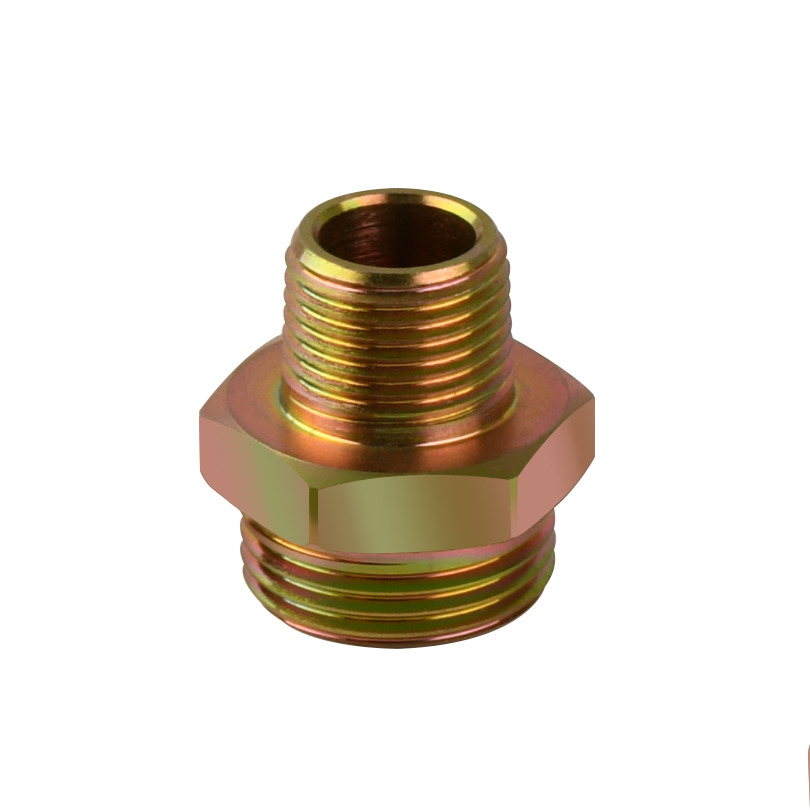
Selecting the Right Size
Getting the size right for hex nipples is not just a technical detail; it saves time, money, and stress. From checking pipe diameter to matching thread size, small missteps can wreck a clean install. Here’s how to size hex nipple fittings so your setup runs smooth and tight.
Measuring Pipe Diameter for a Perfect Hex Nipple Fit
When sizing hex nipples, focus on nominal pipe size, not just the outer diameter you see with a tape.
- Identify the pipe standard
- Check marking on pipe
- NPT
- BSPT
- Confirm matching thread size on the hex nipple
- Check marking on pipe
- Measure correctly
- a) Record outer diameter
- b) Compare with NPS chart
- c) Confirm inner diameter if flow rate matters
- Verify fitting compatibility
- Material match
- Pressure class
| Nominal Pipe Size (in) | Outer Diameter (mm) | Thread Pitch (TPI) | Common Hex Nipple Length (mm) |
|---|---|---|---|
| 1/4 | 13.7 | 18 | 30 |
| 3/8 | 17.1 | 18 | 35 |
| 1/2 | 21.3 | 14 | 40 |
| 3/4 | 26.7 | 14 | 45 |
Quality suppliers like yuuhuan hongqian machine their pipe hex nipple threads precisely, helping avoid cross-thread drama during install.
How Thread Length Affects Seal Integrity
Thread length drives real seal integrity. Too short, and thread engagement is weak. Too long, and tightening stresses the female fitting.
Keep an eye on:
- Proper tightening range
- Correct gasket placement
- Right sealant amount for leak prevention
A quick rule most pros follow: engage 60–75% of thread depth for tapered threads. Past that, overloading happens fast.
“Improper thread engagement remains one of the top five causes of industrial leakage incidents,” notes a 2025 Fluid Sealing Association industry update.
With well-machined hex nipples from yuuhuan hongqian, consistent thread length helps avoid those headaches.
Adapting Hex Nipple Length to Your System Layout
1) Measure real pipe spacing between fittings.
2) Subtract required fitting clearance for wrench access.
3) Check needed installation space for rotation.
4) Select proper nipple length to match reach and offset.
Short on space? Go compact. Need to bridge valves? Choose longer hex nipple fittings. The right pipe nipple keeps alignment clean and reduces stress on joints.
Sizing Tips to Avoid Leaks and Over-Tightening
Choosing the right sizing for hex nipples means balancing force and fit.
- Match thread pitch exactly.
- Confirm material compatibility (brass to brass, stainless to stainless when possible).
- Check pressure rating before install.
Under-sizing risks blowouts. Over-tightening cracks fittings.
For dependable hex nipple and pipe hex nipple options, yuuhuan hongqian offers graded sizing with clear torque guidance, helping installers avoid costly leaks while keeping every joint snug, not strained.
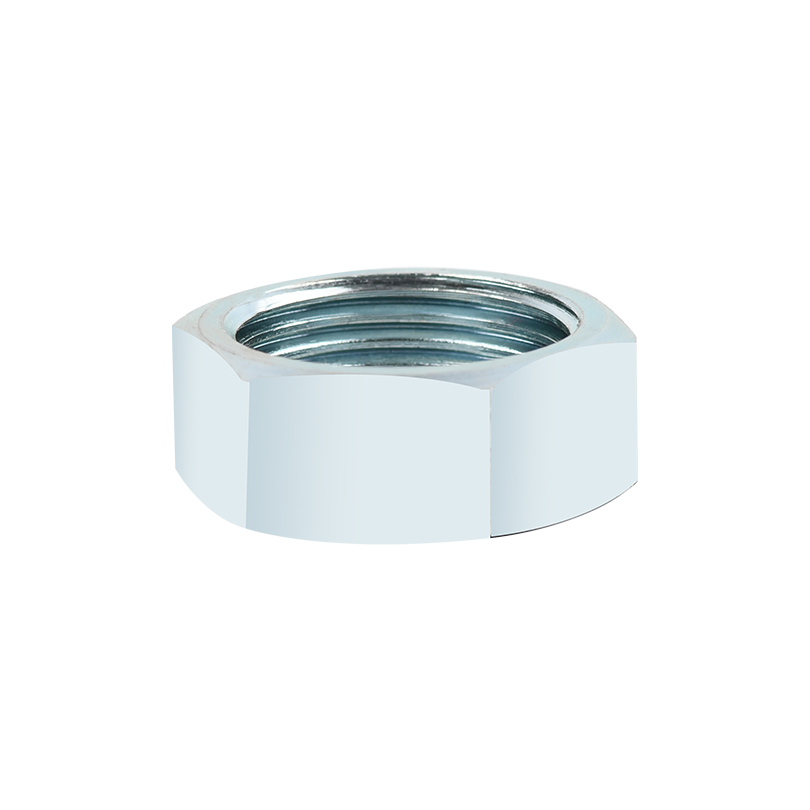
Matching Thread Types
Getting thread types right saves time, money, and a whole lot of frustration. When working with hex nipples, knowing the difference between standards keeps leaks away and fittings tight. Let’s break down how hex nipple threads match up in real-world jobs.
NPT vs. BSP Threads
When comparing NPT and BSP, the differences sit in the details of the pipe thread design.
- Thread structure
- NPT
- Uses a tapered thread
- Seals through metal-to-metal interference
- Often paired with sealant for added security
- BSP
- Available as tapered thread (BSPT)
- Or parallel thread (BSPP)
- BSPP usually needs a gasket or washer
- NPT
- Thread angle and pitch
- NPT: 60° angle
- BSP: 55° angle
- Different pitch standards mean mixing them with hex nipples can cause leaks
- Practical fitting compatibility
- Check thread profile with a gauge
- Compare taper visually
- Never force a BSP fitting onto an NPT hex nipples connection
Brands like yuuhuan hongqian machine hex nipples with precise tolerance control, reducing cross-standard risk in export projects.
Metric vs. Imperial Thread Standards
Thread measurement systems matter more than most people think.
- Measurement units
- metric thread
- Diameter in millimeters
- Pitch in millimeters
- Governed by ISO standards
- imperial thread
- Diameter in inches
- thread pitch measured in TPI
- Common under ANSI guidelines
- metric thread
- Diameter and pitch check
- Confirm outer diameter
- Measure pitch carefully
- Match both before installing a hex nipple fitting
- International compatibility
- Metric systems dominate Europe and Asia
- Imperial remains common in the U.S.
- Export-ready hex nipples from yuuhuan hongqian often include dual-spec labeling for easier selection
Mixing measurement units without checking specs is a classic shop mistake. A quick gauge test avoids rework.
Identifying Tapered and Straight Hex Nipple Threads
Spotting the difference between tapered thread and straight thread on a hex nipple keeps installations smooth.
- Visual inspection
- Tapered threads narrow slightly toward the end
- Straight threads maintain constant diameter
- Examine the thread profile under good light
- Functional sealing method
- Tapered
- Seals by compression
- May use sealant
- Straight
- Requires gasket or O-ring
- Seals at the face, not the threads
- Tapered
- Verification process
- Use a thread gauge
- Measure diameter at both ends
- Confirm fitting compatibility before torque
For high-volume plumbing or industrial lines, choosing the right hex nipples—especially precision-made pieces from yuuhuan hongqian—means fewer callbacks and tighter systems. A small check upfront saves a big headache later.
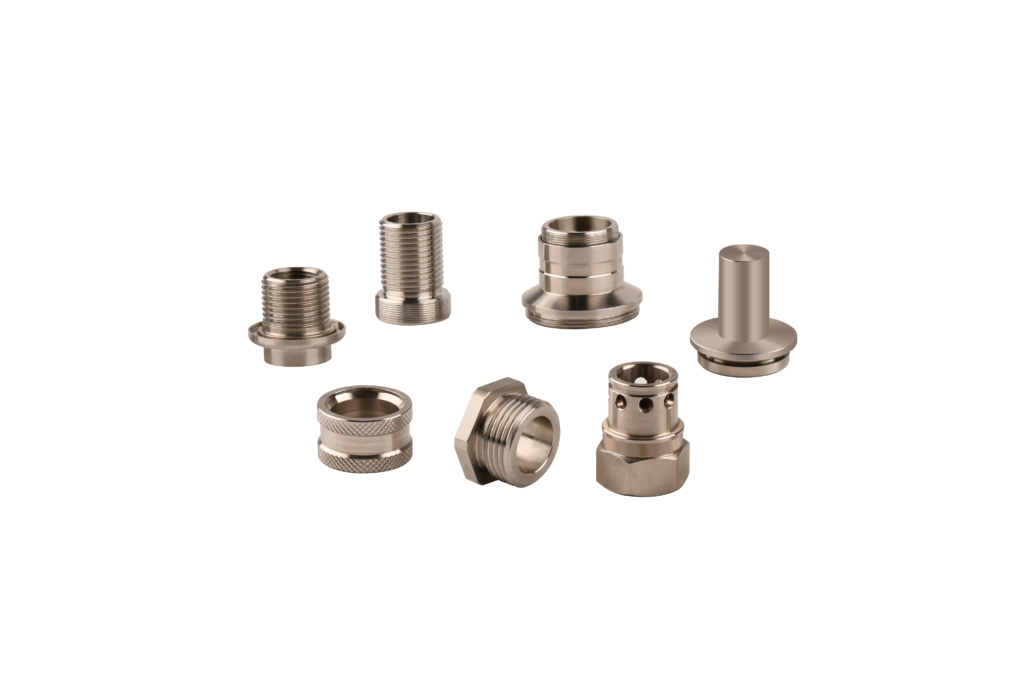
Considering Pressure and Temperature Ratings
Picking the right hex nipples isn’t just about thread size. Pressure and heat can make or break a piping setup. If the hex nipple, hex pipe connector, or threaded hex fitting can’t handle the load, leaks and downtime follow fast. Let’s break down how pressure rating and heat limits shape smart choices for long-lasting hex pipe nipples.
Pressure Classes Explained for Hex Nipples
When reviewing pressure class for hex nipples, keep this layered logic in mind:
- Understanding core pressure terms
1.1 Working pressure
- The safe, continuous psi or bar level during normal operation.
1.2 Maximum pressure
- The upper safety ceiling before failure risk increases.
1.3 Relation to pipe size
- Larger diameters often mean lower allowable pressure at the same class.
- Matching class to real conditions
2.1 System review
- Pump output
- Valve surge
- Fluid dynamics
2.2 Safety margin
- Add buffer above actual pressure rating needs.
2.3 Supplier reliability
- Brands like yuuhuan hongqian clearly mark class, psi, and bar values for traceability.
- Practical selection flow
3.1 Confirm nominal pipe size
3.2 Check listed working pressure
3.3 Verify the stamped maximum pressure
3.4 Compare with system peak data
A properly rated hex pipe nipple keeps systems steady and stress-free.
Temperature Limits: Selecting Hex Nipples That Withstand Heat
Heat changes everything for hex nipples.
- Key temperature factors
1.1 Operating temperature
- Normal running heat inside the line.
1.2 Maximum temperature
- Short-term spike tolerance.
1.3 Ambient temperature
- External environment impact.
1.4 Fluid temperature
- Hot oil, steam, or chemicals raise risk.
- Material behavior under heat
2.1 Material compatibility
- Brass, stainless steel, and carbon steel respond differently.
2.2 Thermal expansion
- Expansion affects thread sealing on hex pipe fittings.
2.3 Strength reduction
- Higher temperature rating doesn’t mean infinite endurance.
- Smart evaluation checklist
3.1 Compare listed temperature rating with real operating temperature
3.2 Factor in expansion allowances
3.3 Confirm seal material limits
3.4 Source from experienced manufacturers like yuuhuan hongqian for consistent quality
The right hex nipple handles both pressure and heat without drama. That’s how reliable piping stays solid year after year.
Installation and Maintenance Tips
Getting hex nipples right isn’t just about screwing metal into metal. A solid install keeps pressure steady, stops leaks, and saves you from late-night repair calls. From sealing a hex nipple to checking threaded joints, small details matter. With quality parts like those from yuuhuan hongqian, your hex pipe nipples hold strong and last longer.
Proper Thread Sealing Techniques for Hex Nipples
When installing hex nipples, focus on three core areas:
- Thread Preparation
- Clean male and female threads.
- Remove debris and oil.
- Check for burrs on the hex head.
- Sealant Application
- Wrap PTFE tape clockwise 2–3 turns.
- Keep the first thread exposed.
- For high-pressure lines, add liquid thread sealant over tape.
- Tightening Control
- Hand-tighten the threaded nipple fitting.
- Use a wrench on the hex body.
- Follow recommended torque values to avoid cracking.
Reliable hex nipples from yuuhuan hongqian respond well to proper torque, reducing leak risks in water, gas, and oil systems.
Inspecting Hex Nipples for Wear and Corrosion
Routine checks keep hex nipples safe and functional:
- Surface Condition
- Look for rust, pitting, discoloration.
- Inspect coating on stainless steel or brass fittings.
- Thread Integrity
- Check for flattening or stripped threads.
- Test fit with a matching female coupling.
- Structural Strength
- Watch for hairline cracks near the hex center.
- Replace warped pipe nipple connectors immediately.
| Inspection Item | Acceptable Limit | Tool Used | Action Required |
|---|---|---|---|
| Thread wear depth | <0.2 mm | Thread gauge | Monitor |
| Surface corrosion area | <5% coverage | Visual check | Clean & coat |
| Hex deformation | None visible | Caliper measure | Replace |
Consistent checks protect every hex nipple in the line.
Routine Maintenance: When to Replace Your Hex Nipples
Replacement isn’t guesswork. Follow this logic:
- Performance Signals
- Persistent leaks after resealing.
- Pressure drops at joint points.
- Material Aging
- Carbon steel fittings in humid zones corrode faster.
- High-temperature systems stress hex pipe nipples.
- Safety Standards
- Follow local pipeline codes.
- Swap aging parts during scheduled shutdowns.
Professionals often choose yuuhuan hongqian for stable material quality and precise BSP/NPT threads. Solid hex nipples, checked and replaced at the right time, keep your system tight, safe, and hassle-free.
FAQs about Hex Nipples
What material should I choose for hex nipples in harsh environments?
Selecting the wrong material can mean leaks, corrosion, and costly shutdowns.
- Brass – Reliable for plumbing and light marine use; handles mild corrosion with ease.
- Stainless Steel – Built for steam lines, heat, and aggressive fluids; resists rust and scaling under pressure.
- PVC – Suited for chemical processing and low-pressure systems where metal may react.
Match the material to fluid type, temperature range, and exposure level. A small upgrade in material can prevent major repair work later.
How do I confirm the correct size and thread type for hex nipples?
One wrong thread can damage an entire pipeline section.
- Measure the nominal pipe size, not the outer diameter.
- Identify thread type:
- NPT → tapered profile
- BSP → parallel or tapered, different pitch
- Test-fit carefully to avoid cross-threading.
Correct sizing protects CNC-machined fittings, prevents leaks, and keeps installations smooth instead of stressful.
What pressure and sealing factors matter before installation?
Pressure failure rarely gives a warning—it simply bursts.
- Choose a pressure rating equal to or above system demand.
- Account for heat; rising temperature lowers pressure tolerance.
- Seal threads with PTFE tape, applied evenly without blocking flow.
- Tighten with controlled torque to avoid cracked fittings.
Routine inspection for worn threads, corrosion, or hairline leaks keeps hex nipples from turning into emergency repairs on production lines.