Pipes don’t make headlines, yet threaded plumbing fittings quietly decide if a job wraps on Friday or drags on for months. One wrong thread, and it’s like forcing the wrong key into a lock—metal grinds, tempers flare, budgets leak. I’ve watched seasoned buyers stare at a pallet of fittings wondering how something so small could gum up an entire project. That’s the moment NPT and BSPT stop sounding like alphabet soup and start feeling personal.
Short pause, straight talk. As a senior engineer at Yuhuan Hongqian put it in a 2025 internal briefing, “Most failures don’t come from pressure—they come from mismatch.” No drama, just hard-earned truth from the shop floor.
This guide picks up right there, where confusion meets consequence. Different thread angles, different standards, different continents—all crashing into one purchase order. Stick around, and the fog clears, the choices sharpen, and those fittings finally behave the way they’re supposed to.
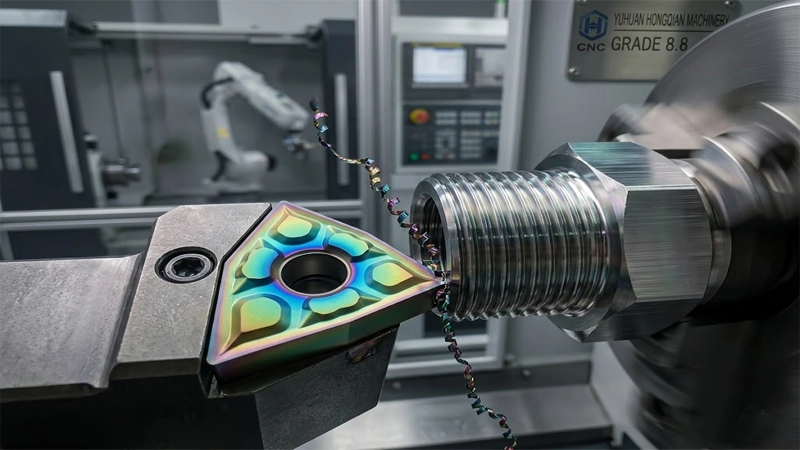
5 Key Differences In NPT And BSPT Threads
Thread standards can make or break plumbing jobs. When dealing with threaded plumbing fittings, small differences in angle, taper, sealing, and certification matter a lot. If you work with plumbing threaded fittings daily, this breakdown keeps things clear and practical.
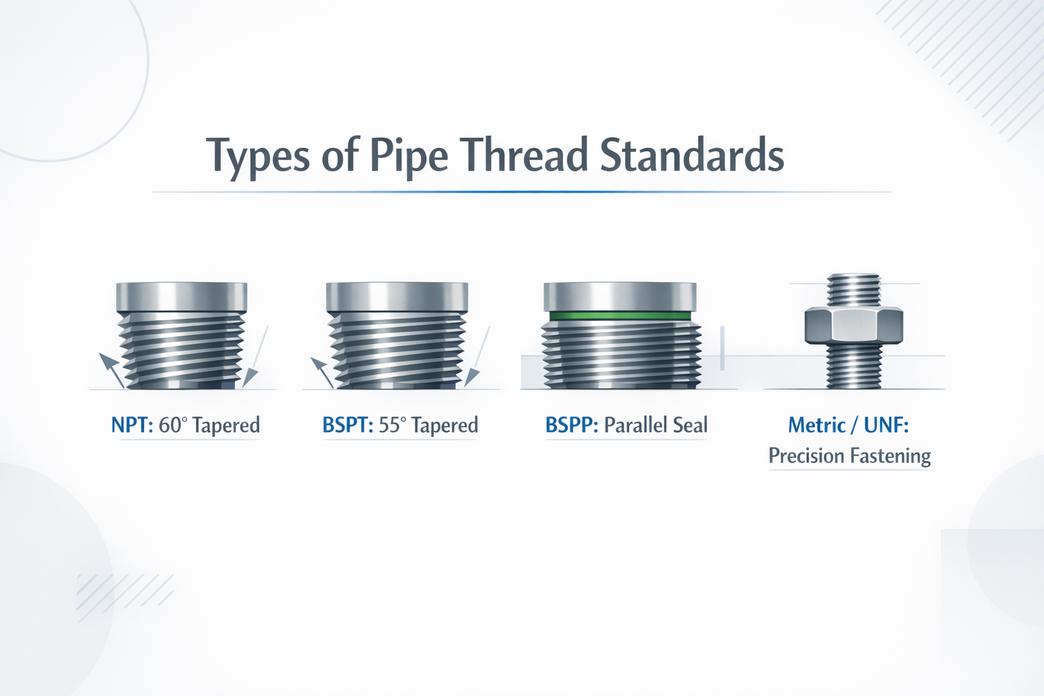
Thread Angle: 60° NPT vs. 55° BSPT
Understanding thread angle starts with the core geometry inside threaded plumbing fittings.
- Angle Measurement
- NPT thread
- Uses a 60° angle measurement
- Flatter peak and valley profile
- BSPT thread
- Uses 55° degrees
- Rounded crest in the thread profile
- NPT thread
- Engagement Impact
- Crest contact
- NPT: sharper flank contact
- BSPT: smoother compression surface
- Gauge compatibility
- Mixing types damages plumbing fittings fast
- Thread gauges differ due to angle shift
- Crest contact
- In field applications
- Fire suppression systems prefer exact NPT thread geometry
- UK-based pipelines rely on BSPT thread standards
Even a 5-degree difference changes sealing stress. With threaded pipe fittings, that’s not small talk—it’s leak prevention.
Taper Degree Comparison in 1/2-Inch and 1-Inch Fittings
Both rely on thread taper, yet the taper degree interacts differently with fitting size.
In 1/2-inch fittings, minor pitch variations already feel tight. In 1-inch fittings, dimensional mismatch becomes obvious.
Key contrasts:
- NPT taper: 1 in 16 standard taper rate
- BSPT taper: similar rate, different pitch depth
- Mixing them: causes cross-threading in plumbing threaded fittings
Quick check method:
- Inspect thread depth.
- Measure pitch.
- Compare crest shape.
- Test engagement by hand only—no wrench yet.
For installers using threaded plumbing fittings, dimensional comparison is not theory; it’s jobsite survival.
Sealing Methods Across Class 300 and 2000 WOG Ratings
Sealing method choices shift with pressure rating and application.
- Core Sealing Principle
- NPT
- Interference fit
- Requires PTFE tape or pipe dope
- BSPT
- Similar joint sealing behavior
- Needs matched female thread
- NPT
- Rating Differences
- Class 300
- Light commercial water systems
- Moderate torque range
- Class 2000 WOG rating
- Oil, gas, high-pressure use
- Strict torque control
- Class 300
- Leak Prevention Layers
- Thread interference
- Sealant compound
- Correct tightening sequence
Grand View Research noted in a 2025 industrial piping outlook that “growing oil and gas infrastructure continues to push demand for higher pressure-rated threaded connectors with strict compliance controls.”
That’s why high-grade threaded plumbing fittings must match rating specs exactly. No shortcuts.
Material Compatibility: Brass NPT Elbows vs. Stainless BSPT Tees
Material compatibility affects more than corrosion resistance.
• Brass fittings handle potable water well.
• Stainless steel fittings resist aggressive chemicals.
• Mixing hardness levels increases galling risk.
Now let’s break it down naturally.
Brass NPT elbows are common in commercial plumbing. Easy to machine. Good thermal response. Affordable.
Stainless BSPT tees show up in oil and gas lines. Higher tensile strength. Strong corrosion resistance. Longer service life.
When installing threaded pipe connectors:
- Check material pairing.
- Apply anti-seize for stainless.
- Avoid over-torque.
- Recheck alignment after tightening.
Professionals sourcing from yuhuan hongqian often choose based on medium type, not just price. That’s smart buying.
Certification Standards: ASTM-Compliant NPT vs. ISO BSPT
Certification standards keep threaded plumbing fittings safe and sale-ready.
- NPT fittings
- Follow ASTM compliance
- Dimensional tolerances
- Material grade verification
- Often carry UL listings
- Common in North America
- Follow ASTM compliance
- BSPT fittings
- Built under ISO standards
- Metric-based inspection
- Thread form verification
- May include CSA certification
- Popular in Europe and Asia
- Built under ISO standards
- Quality Assurance Flow
- Raw material testing
- Thread profile inspection
- Pressure validation
- Final compliance marking
Brands like yuhuan hongqian align production with regulatory compliance to meet export demands. When you’re buying plumbing fittings in bulk, certification isn’t paperwork—it’s market access.
In real-world plumbing threaded fittings supply chains, standards decide everything.
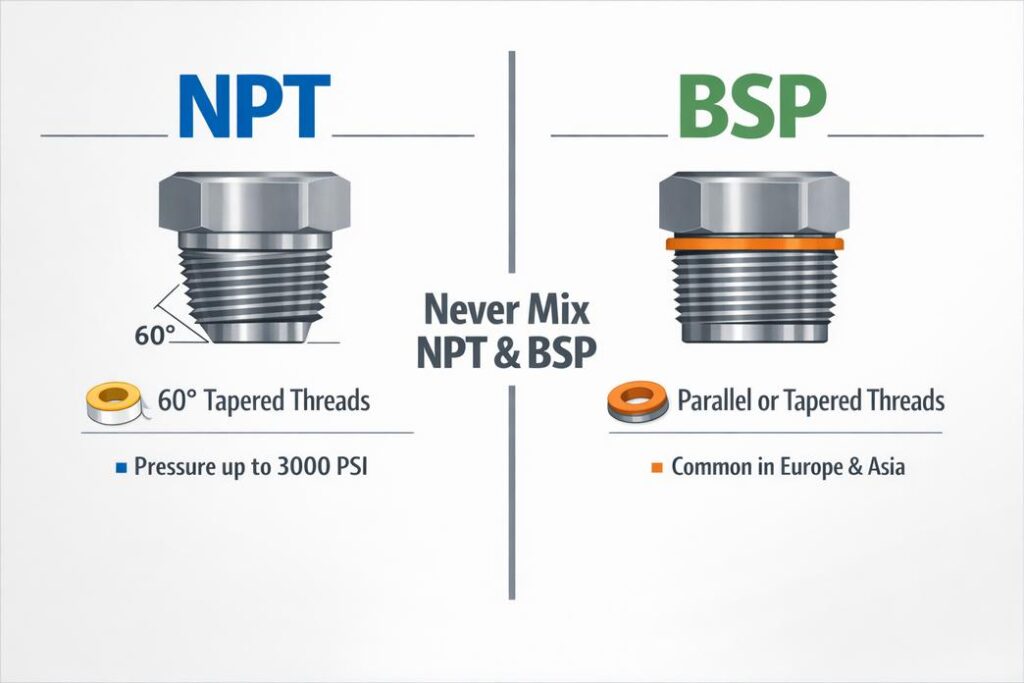
How To Identify NPT And BSPT Quickly
Getting NPT and BSPT right matters when installing threaded plumbing fittings. A small mismatch in pipe threads can wreck a seal fast. Let’s break down how to spot differences in plumbing fittings, threaded pipe fittings, and other pipe fittings without overthinking it.
Visual Guide: Recognizing Pitch and Crest Profiles
When checking thread pitch and crest profile on threaded plumbing fittings, focus on shape before size.
- Thread Form Basics
- Thread angle
- NPT uses a 60° angle with sharper thread crests.
- BSPT uses a 55° angle with softer thread roots.
- Crest and Root Shape
- NPT: flatter crests, tighter feel.
- BSPT: rounded valleys, smoother profile.
- Thread angle
- Thread Type
- Tapered threads
- Found on NPT and BSPT; diameter reduces along length for sealing.
- Parallel threads
- Common in BSPP, not BSPT; constant diameter.
- Tapered threads
- Field Check on Pipe Fittings
- On 3/4-inch black steel threaded plumbing fittings
- On galvanized plumbing threaded connectors
- Compare side by side under good light
| Standard | Thread Angle | Crest Shape | Typical Use |
|---|---|---|---|
| NPT | 60° | Flat | US pipe systems |
| BSPT | 55° | Rounded | UK & Asia systems |
| BSPP | 55° | Rounded | Parallel pipe fittings |
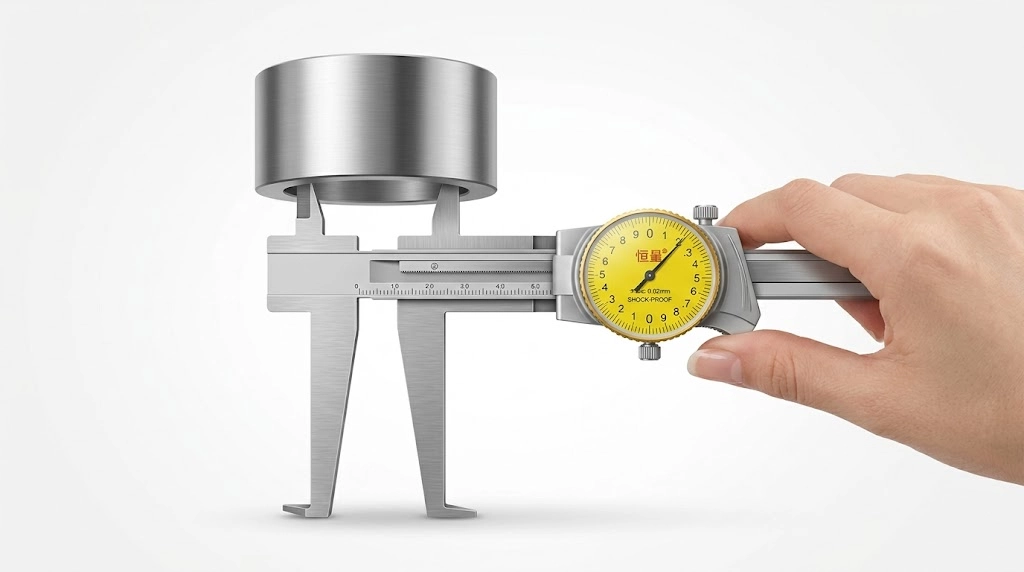
Using Thread Gauges for 3/4-Inch and 2-Inch Pipes
Accurate thread measurement keeps threaded plumbing fittings from cross-threading.
- Gauge Selection
- Match thread gauge to pipe standard
- NPT gauge for American threaded pipe fittings
- BSPT gauge for British pipe thread fittings
- Match thread gauge to pipe standard
- By Pipe Size
- 3/4-inch pipe
- Check full gauge fit across threads
- 2-inch pipe
- Confirm no rocking or uneven contact
- 3/4-inch pipe
- Practical Workflow
- Clean threads on plumbing fittings.
- Seat gauge gently—no forcing.
- Confirm smooth engagement and correct depth.
- Recheck for fitting compatibility before sealing.
Even seasoned techs double-check threaded plumbing fittings with gauges. It saves time and headaches later.
Checking Markings: UL-Listed NPT vs. CSA BSPT Labels
Sometimes the fastest clue is stamped right on the body of the threaded plumbing fittings.
Look for:
- Certification labels on caps, elbows, or unions
- UL-listed or ASTM marks tied to NPT
- CSA certified or ISO codes linked to BSPT
- Clear NPT marking or BSPT marking
- Other manufacturer markings for product identification
If the marking looks worn, clean it lightly and inspect again. On older threaded pipe fittings, corrosion can hide key info. Don’t guess—verify. Mixing plumbing threaded connectors from different standards might feel okay at hand-tight, but sealing issues show up under pressure.
Quick Tap Test: Retrieving Go/No-Go Fit
A quick tap test works when markings and gauges aren’t handy.
- Choose the correct standard tap for the threaded plumbing fittings.
- Start threading gently by hand to check thread engagement.
- Observe resistance:
- Smooth and correct depth = acceptable go/no-go gauge behavior.
- Early binding = wrong standard or poor thread tolerance.
- Stop before cutting; this is about fit, not reshaping threads.
- Confirm secure fit to reduce future leak detection surprises.
For field repairs on pipe fittings, this simple check can save a full system drain-down.
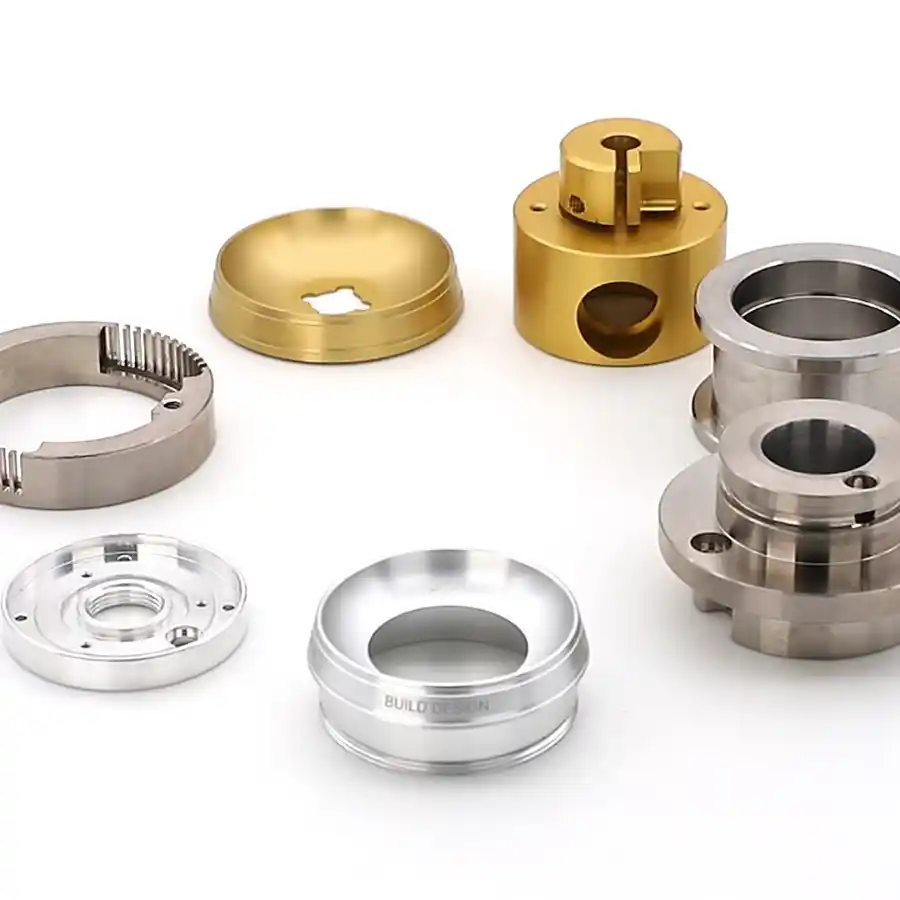
Scenario: Avoid Leaks: Sealants For NPT Vs. BSPT Threads
Leaks in threaded plumbing fittings can turn a solid install into a headache fast. Getting the right sealant on plumbing threaded fittings—from NPT to BSPT—keeps pipe fittings tight, clean, and stress-free for years.
PTFE Tape for Galvanized Steel NPT Connections
When sealing threaded plumbing fittings with galvanized steel and NPT connections, control matters.
- Material focus
- Galvanized steel
- Resists rust in water lines.
- Common in Class 150 systems.
- NPT threaded fittings
- Tapered design supports mechanical sealing.
- Needs proper thread sealant for full leak prevention.
- Galvanized steel
- Application flow
- Surface prep
- Wipe male threads clean.
- Check for burrs on pipe fittings.
- Wrapping method
- Wrap PTFE tape clockwise.
- 2–3 tight layers for most threaded pipe fittings.
- Assembly
- Hand-tighten.
- Finish with wrench, avoid over-torque.
- Surface prep
- Performance check
- Inspect joint line.
- Pressure test system.
Reliable threaded plumbing fittings from yuhuan hongqian pair smoothly with quality PTFE tape, keeping threaded pipe joints dry and steady.
Pipe Dope Solutions on 4-Inch BSPT Bronze Fittings
For big BSPT fittings—especially 4-inch diameter bronze fittings—pipe dope brings both lubrication and sealing power.
Key points for plumbing applications:
- Use an even coat of thread sealant on male threads.
- Cover roots without clogging openings.
- Tighten slowly to protect corrosion resistance on bronze fittings.
Quick checklist:
- Clean BSPT threaded fittings.
- Stir pipe dope well.
- Apply with brush.
- Assemble and align.
In HVAC lines and commercial plumbing, threaded plumbing fittings often face vibration. A smooth layer of pipe dope helps absorb that stress while keeping pipe threads snug. For installers who want consistent quality across plumbing threaded fittings, yuhuan hongqian offers dependable options built for real jobsite wear.
Hybrid Sealants in High-Pressure (6000 WOG) Applications
High-pressure lines push threaded plumbing fittings to their limit. In 6000 WOG systems, sealing is about system integrity, not guesswork.
- System context
- Industrial plumbing
- Oil and gas lines.
- Fire suppression loops.
- Materials
- Stainless steel.
- Black iron threaded fittings.
- Industrial plumbing
- Hybrid sealing method
- Base layer
- Apply PTFE tape for gap filling.
- Secondary layer
- Add anaerobic compound from the hybrid sealants range.
- Assembly
- Engage threads fully.
- Allow cure time before pressure.
- Base layer
- Risk control
- Monitor fluid containment.
- Recheck torque after initial run.
Using hybrid sealants on threaded pipe fittings keeps high-pressure threaded plumbing fittings tight, supports fluid containment, and protects long-term system integrity without cutting corners.
FAQs about Threaded Plumbing Fittings
How do I identify the correct thread standard for threaded plumbing fittings?
Thread mismatch is the silent cause of leaks in industrial piping and HVAC systems. A quick check prevents costly rework.
- Thread angle & form
- NPT / NPS → 60° profile
- BSPT / BSPP → 55° profile
- Metric → straight metric pitch
- Taper vs. parallel
- NPT & BSPT seal by taper
- NPS & BSPP rely on gaskets or sealing washers
- Where it matters most
- 1/2 inch to 2 inch fittings in commercial plumbing often use NPT under ASTM standards
- Fire suppression projects may require UL listed or CSA certified components
- International water treatment systems often specify ISO compliant BSPT or BSPP
When Elbows or Tees resist hand-tightening after two turns, stop. Cross-threading stainless steel or brass fittings under 3000 WOG pressure can permanently damage the joint.
Which materials and pressure ratings are best for high-pressure applications?
Pressure changes everything. The wrong material in a 6000 WOG oil and gas line can split under torque.
Material selection by application
- Oil and gas (2000–6000 WOG)
- Stainless steel Unions, Couplings, Plugs
- Black iron Elbows with black oxide finish
- Commercial plumbing (Class 150 / 300)
- Brass or Bronze Tees and Reducers
- Galvanized steel Caps for corrosion control
- Water treatment & HVAC systems
- PVC / CPVC fittings (lower pressure ranges)
- NSF approved and ASTM standards compliance recommended
For 4 inch or 6 inch pipe runs, thread engagement and surface finish—plain, galvanized, or coated—directly affect sealing strength.
What should buyers check before purchasing threaded plumbing fittings?
A fitting may look perfect on the shelf. The real test comes during installation.
Quick evaluation checklist
- ✔ Correct size: 3/4 inch, 1 inch, 2 inch, or larger
- ✔ Matching thread standard: NPT, BSPT, or Metric
- ✔ Proper pressure rating: Class 300, 3000 WOG, 6000 WOG
- ✔ Certification: UL listed (fire suppression), CSA certified (commercial plumbing), ISO compliant (export projects)
- ✔ Surface finish suited to environment: Galvanized for moisture, Polished stainless for corrosive settings
Caps, Reducers, and Unions often fail not from poor casting—but from mismatched specs. Careful selection protects industrial piping, water treatment systems, and high-stakes HVAC installations from sudden leaks and shutdowns.