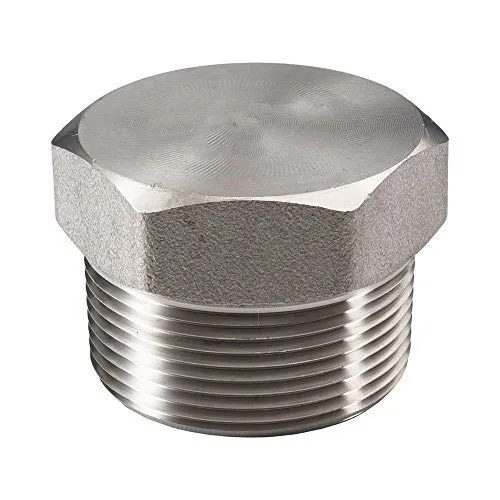
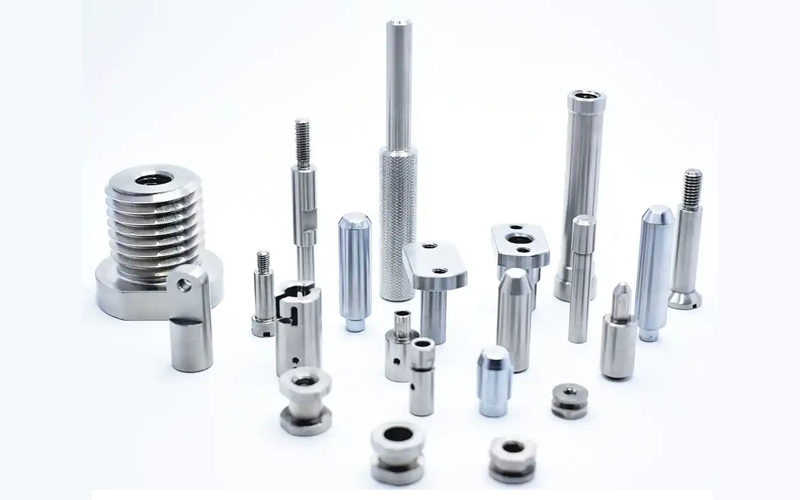
When buyers search for stainless steel pipe fittings,they will not onl consider about costs, also consider the company management for products quality .Especially when they plan a stainless steel pipe fitting projects.
Custom manufacturing is different from buying standard fittings. It involves material selection, machining strategy, thread accuracy, surface finishing, inspection control, and structured order management.
This guide explains how custom stainless steel pipe fittings are produced from a practical factory perspective, especially for projects based on CNC turning parts.
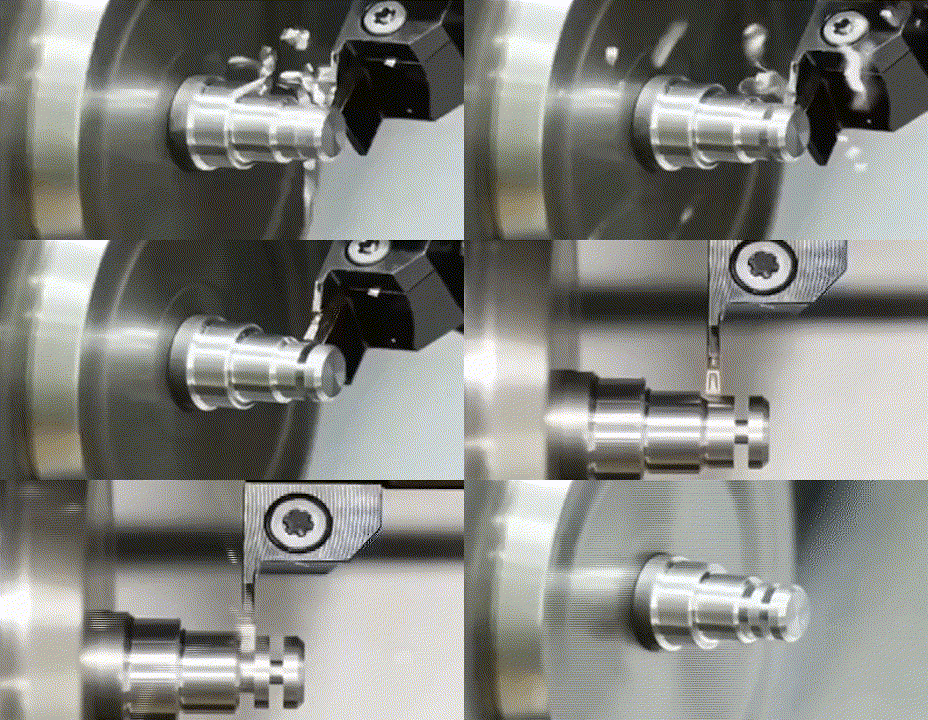
1. Define the Application Before Quotation
Every custom project starts with understanding the working condition:
- What medium flows through the fitting? (water, oil, gas, chemicals)
- Working pressure
- Temperature range
- Indoor or outdoor use
- Required thread standard (NPT, BSPT, BSPP, Metric)
- Surface roughness requirement (Ra value)
Clear technical information reduces production risk and prevents repeated modification after sampling.
2. Choose the Right Stainless Steel Grade
Material selection directly affects corrosion resistance, machinability, and cost.
Common grades used in stainless steel pipe fittings include:
- AISI 201 – Most cheap stainless steel material for cnc machinery pipe fittings.
- AISI 304 – Mostly common industrial mateiral.
- AISI 316 – More good corrsion compare 304 stianless steel, apply in food and high demand area.
- AISI 303 – Easier to machine for precision CNC turning parts
For hydraulic systems or outdoor installations, 304 and 316 are typically preferred. For high-precision components that require stable machining performance, 303 can reduce tool wear and improve efficiency.
Material certificates can be provided. Spectrometer testing is also available to verify chemical composition before production.
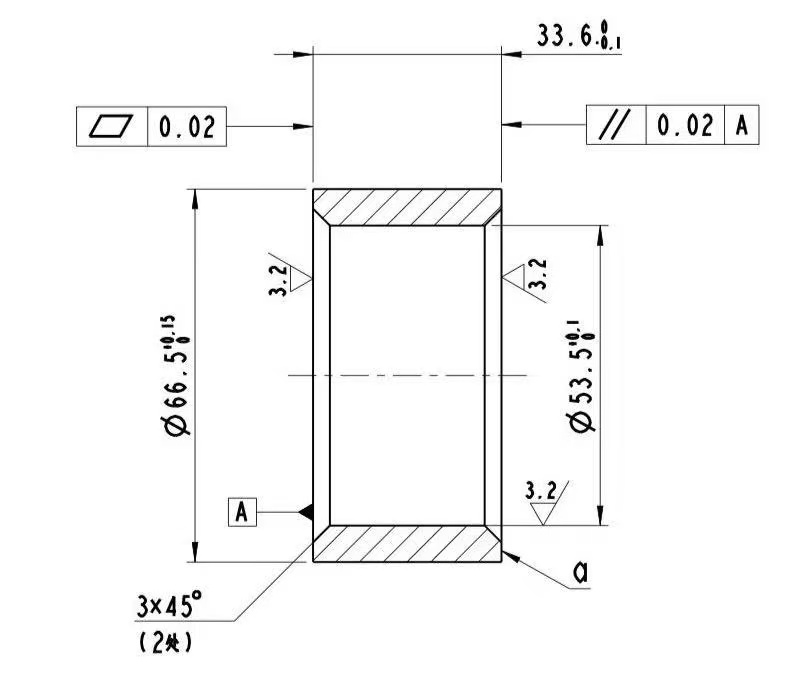
3. Provide Technical Drawings
Custom stainless steel pipe fittings require:
- 2D drawings with tolerances
- Or 3D files (STEP / STP)
- Thread specification
- Surface treatment requirement
- Order quantity
If drawings are not available, samples can be reverse engineered. However, accurate drawings always shorten development time.
4. DFM Analysis Before Production
Before quoting, engineers review manufacturability:
- Is the wall thickness suitable for machining?
- Does the thread depth create tool interference?
- Can standard cutting tools be used?
- Is the blank better from bar stock or forged blank?
- Is there room to optimize cost?
This Design for Manufacturing (DFM) review helps avoid unstable machining and unnecessary scrap during mass production.

5. CNC Machining Process for Stainless Steel Pipe Fittings
Most custom fittings are produced as CNC turning parts.
The typical process:
- Raw material cutting
- CNC turning (outer diameter, inner bore, step features)
- Thread machining
- Milling (if flats or cross holes are required)
- Deburring
- Cleaning
- Surface treatment
- Final inspection
Stainless steel is much difficult to cnc machinery compare with carbon steel . It generates more heat and causes faster tool wear. Stable machining requires experienced operators and consistent parameter control.
6. Surface Treatment After Machining
After machining, stainless steel pipe fittings usually undergo:
- Ultrasonic cleaning
- Passivation treatment
- Mechanical polishing
- Electroplating (if required by customer)
Ultrasonic cleaning mainly delete cutting oil and small particles. Passivation improves corrosion resistance when customer demand salt spay test for 48-96 hours. Polishing can improves surface appearance and smoothness.
Surface treatment is not only cosmetic. It affects corrosion performance and long-term durability.
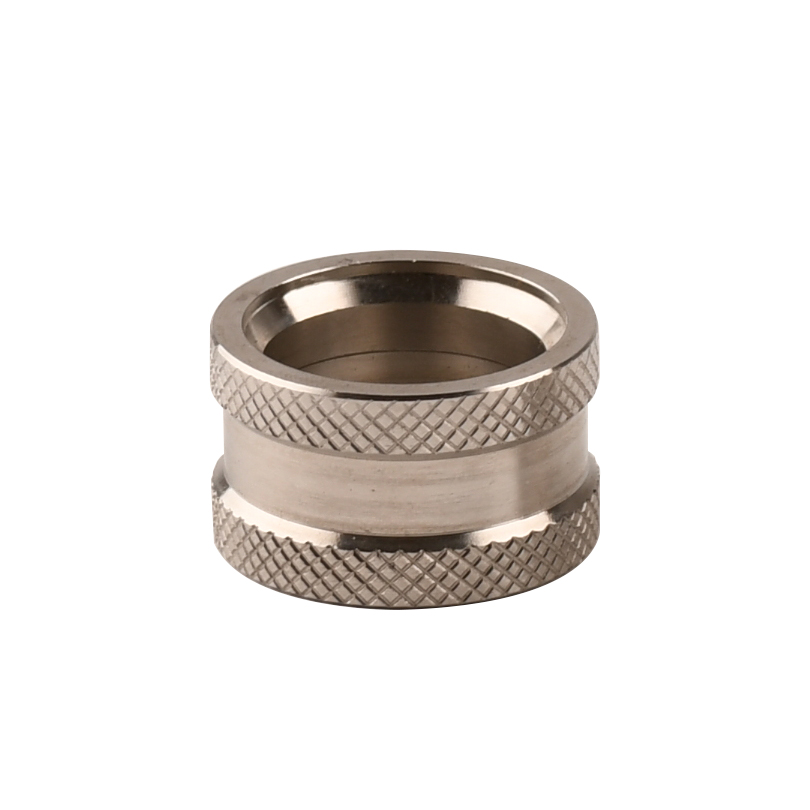
7. Tolerance Control and Quality Inspection
Tolerance control depends on more than equipment. It requires:
- Skilled CNC operators
- Stable machine calibration
- Process discipline
- Structured inspection system
A typical quality control process includes:
- First article inspection
- In-process inspection
- Final inspection before shipment
Thread accuracy is checked with professional gauges. Critical dimensions are measured using precision instruments. Inspection records can be provided if required.
8. Order Process for Custom Stainless Steel Pipe Fittings
A clear workflow reduces misunderstanding.
The typical order procedure:
- Customer provides drawings and quantity
- Engineering reviews manufacturability
- Blank process is determined
- Cost is calculated
- Sample production begins (sample fee required)
- Sample approval and technical confirmation
- Mass production
- Final inspection and shipment
Sampling is strongly recommended for new projects. It confirms dimensional accuracy, thread fitting, and surface quality before larger investment.
9. MOQ and Lead Time
For most custom stainless steel pipe fittings:
- General MOQ: 2000 pieces
- Lead time: 20–40 days after sample approval
- Small quantity orders are possible, but unit cost will be increase higher
Lead time depends on:
- Material availability
- Part complexity
- Surface treatment requirements
- Production schedule
Stable production planning ensures consistent delivery.
10. Special Thread Customization Capability
We can supply threads type such as NPT, BSPT, BSPP, G, and Metric are commonly produced.
Special customized threads can also be machined according to drawings. Precision thread cutting is critical because sealing performance depends on dimensional accuracy.
Thread gauges are used for verification before shipment.
11. Why CNC Turning Parts Are Preferred for Custom Fittings
Compared with casting or forging alone, CNC turning parts offer:
- Higher dimensional accuracy
- Better surface finish
- Flexible customization
- Easier modification during development
- Suitable for medium-volume production
For non-standard stainless steel pipe fittings, CNC machining provides better control and consistency.
12. Advantages of Custom Stainless Steel Pipe Fittings
- Strong corrosion resistance
- High structural strength
- Long service life
- Suitable for cnc machinery industrial area, hydraulic area, and fluid systems
- Adaptable to different thread standards and sealing requirements
Custom manufacturing also allows structural optimization for assembly convenience and cost control.
13. Frequently Asked Questions
Q1: What is your minimum order quantity?
General MOQ is 2000 pieces for custom production.
Q2: How long does production take?
Usually 20–40 days after sample approval, depending on complexity.
Q3: Can small batch orders be accepted?
Yes, but the unit price will increase due to setup and programming costs.
Q4: could you provide material certification?
Yes. we can provide material certificates and spectrometer testing reports based on your demand.
Q5: Can special threads be customized?
Yes, threads can be machined according to customer drawings.
Final Thoughts
Custom stainless steel pipe fittings are not just products. They are engineered components that must match system pressure, sealing standards, corrosion conditions, and installation space.
Choosing a factory experienced in CNC turning parts ensures stable machining, controlled tolerances, and consistent production quality. Clear drawings, structured sampling, and realistic lead times help both sides reduce risk and build long-term cooperation.
If your project requires custom stainless steel pipe fittings with defined tolerances, thread standards, and surface treatment requirements, a professional CNC machining manufacturer will always be more reliable than a simple trading source.