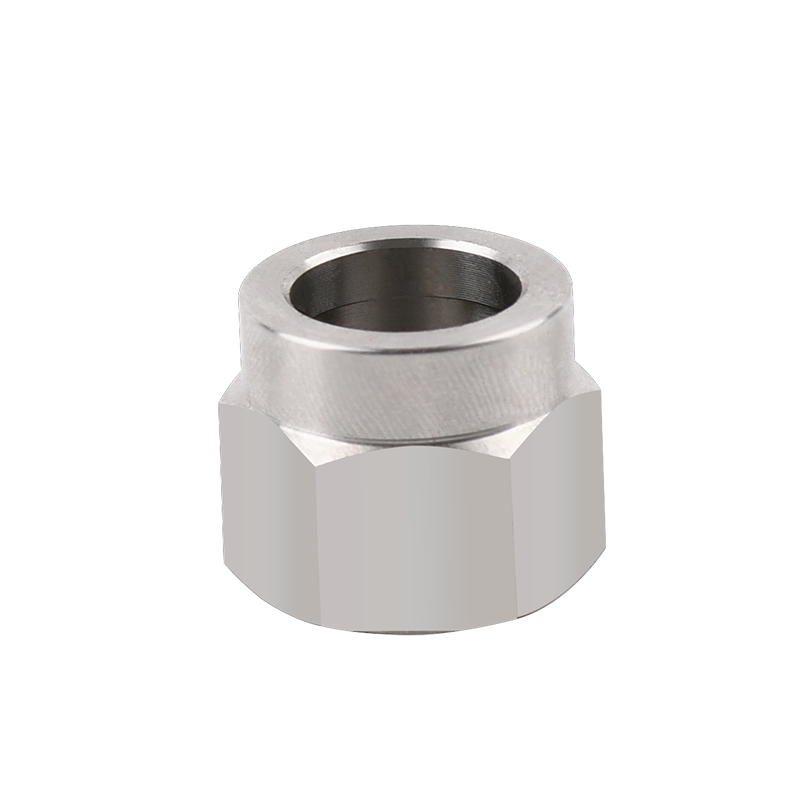
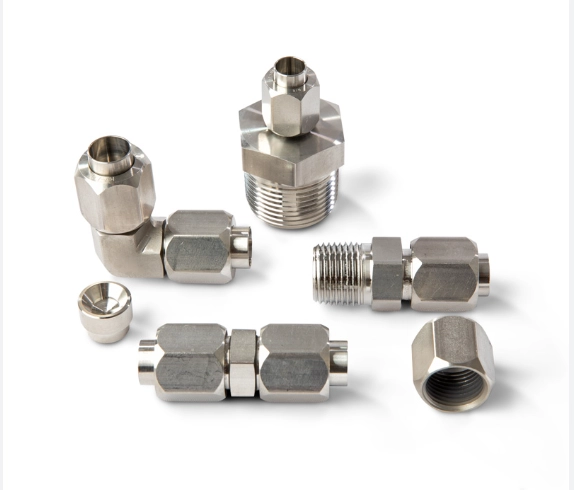
Your cnc machining parts might look sharp fresh off the mill, but toss them into a 96-hour salt spray test and it’s sink or swim. One bad batch, a little red rust creeping in, and suddenly you’re eating warranty costs and scrambling to explain delays. Corrosion doesn’t play fair—it sneaks in through rough edges, thin coatings, tiny design flaws. And in high-volume orders, small mistakes hit like a freight train.
ASTM B117 sets the bar for salt spray testing, and NACE reports corrosion costs the U.S. over $276 billion annually. “Corrosion control is not optional; it’s economic survival.”
So how do you make sure your parts don’t just scrape by, but stand tall after 96 hours in the fog? It starts with smart material picks, thoughtful design, and a supplier who treats testing like gospel, not a checkbox.
Salt Spray Testing Basics for CNC Machining Parts
Salt spray testing sounds technical, yet it’s simply about seeing how tough cnc machining parts really are. From raw metal to coated precision components, corrosion can wreck performance fast. Here’s how smart cnc machining suppliers keep machining parts reliable.
What Is a 96-Hour Salt Spray Test?
A 96-hour salt spray test checks corrosion resistance of cnc machining parts under controlled environmental testing conditions.
- Test Core Elements
- Exposure Conditions
- 5% NaCl solution
- 35°C chamber temperature
- Continuous atomized fog
- Time Frame
- 96 hours uninterrupted
- Purpose
- Measure coating durability
- Validate accelerated testing benchmarks
- Exposure Conditions
- Specimen Control
- Proper specimen preparation
- Surface cleaning before placement
- 15–30° angle positioning
For manufacturers like yuuhuan hongqian, this isn’t just lab work—it’s proof that CNC machined components can survive harsh marine or industrial air without flaking out.
The Science Behind Corrosion in CNC Machined Parts
Corrosion starts with an electrochemical reaction. Metal meets oxygen, moisture, and salt. Trouble begins.
- Reaction Mechanism
- Oxidation at anodic areas
- Electron flow through metal
- Ion exchange in moisture film
- Impact on CNC Machined Components
- Surface Level
- Damaged surface finish
- Micro-pitting
- Structural Level
- Deep metal degradation
- Reduced load strength
- Surface Level
- Risk Factors
- Sensitive material properties
- Humidity and chloride environmental factors
- Contact between dissimilar metals → galvanic corrosion
High-precision cnc machining parts with tight tolerances suffer faster if coatings fail. That’s why machining parts from yuuhuan hongqian are processed with corrosion-aware finishing in mind.
Key ASTM Standards for Salt Fog Evaluation
When testing cnc machining parts, standards keep things fair and repeatable.
- Primary Standards
- ASTM B117
- Defines salt fog chamber setup
- Controls solution concentration
- Specifies test duration
- ASTM D1654
- Measures creepage and coating failure
- ASTM B368
- Accelerated copper-accelerated testing
- ASTM B117
Evaluation focuses on:
- Rust grade
- Blister size
- Coating adhesion
- Base metal exposure
| Standard | Solution (%) | Temp (°C) | Typical Duration (hrs) |
|---|---|---|---|
| ASTM B117 | 5.0 | 35 | 24–1000 |
| ASTM D1654 | 5.0 | 35 | 96–500 |
| ASTM B368 | 5.0 + CuCl₂ | 35 | 24–240 |
| ISO 9227 | 5.0 | 35 | 24–720 |
Clear evaluation criteria and proper reporting standards help buyers compare CNC parts confidently.

Common Pitfalls in Salt Spray Testing Setup
Even solid cnc machining parts can show weird results if setup goes wrong.
- Chamber Control
- Poor chamber calibration
- Weak test environment control
- Solution Issues
- Inconsistent solution mixing
- pH drift
- Handling Errors
- Improper sample placement
- Surface contamination
- Human interpretation errors
A quick rundown of best practice:
- Verify pH (6.5–7.2).
- Confirm nozzle atomization rate.
- Space samples evenly.
- Log temperature hourly.
Sounds simple, but small slips skew data. That’s why yuuhuan hongqian monitors every batch of cnc machining parts, from raw CNC machining to final corrosion validation, keeping machining parts ready for real-world abuse.
5 Design Tips for Durable CNC Machining Parts
Durability is not luck. It’s smart design backed by real-world machining experience. When building cnc machining parts, small geometry tweaks and material choices decide how long components survive in harsh salt, moisture, and load-heavy environments.
Tip 1 – Optimize Material Selection for Corrosion Resistance
When selecting materials for cnc machining parts, focus on matching the environment with the right alloy.
- Marine or high-chloride zones
- Stainless steel family
- 316 stainless steel: strong chloride resistance
- 2205 duplex stainless steel: higher strength + pitting control
- Key factor: PREN value above 24
- Stainless steel family
- Lightweight structural applications
- Aluminum group
- 6061-T6 aluminum: balanced strength
- 7075 aluminum: higher tensile strength
- Must combine with anodizing
- Aluminum group
- High-load industrial equipment
- Alloy steels with passivation or coating
- Nickel-based alloys for chemical exposure
| Material | Yield Strength (MPa) | Corrosion Rating (1–5) | Typical Use |
|---|---|---|---|
| 316 SS | 290 | 5 | Marine fittings |
| 2205 Duplex | 450 | 5 | Offshore frames |
| 6061-T6 | 275 | 3 | Structural cnc parts |
| 7075-T6 | 503 | 2 | Aerospace machining components |
Smart material selection reduces long-term failure in cnc machining parts and lowers maintenance headaches.
Tip 2 – Round Edges to Prevent Salt Buildup
Sharp corners look clean on drawings, but real life is messy. Salt sticks to tight edges and thin coating zones.
Here’s what helps:
- Add fillet radii above 0.5 mm on exposed corners
- Keep uniform coating thickness during anodizing
- Reduce micro-crevice zones where corrosion starts
Rounded geometry improves coating flow and reduces stress concentration. It also boosts fatigue life in precision cnc machining parts. At yuuhuan hongqian, design reviews often flag sharp transitions early, saving rework later. Small curves. Big difference.
Tip 3 – Apply Protective Surface Finishes
Surface protection works like armor for machining parts.
- Barrier Coatings
- Powder coating
- Thick layer (60–120 μm)
- Good for outdoor structural cnc machining parts
- Epoxy coatings for chemical plants
- Powder coating
- Electrochemical Treatments
- Anodizing
- Type II for general use
- Type III hard anodizing for wear resistance
- Passivation for stainless steel
- Anodizing
- Metallic Layers
- Zinc plating
- Nickel electroplating
Each method isolates base metal from moisture and oxygen. For high-precision cnc machining parts, finish choice must match tolerance limits so coating thickness doesn’t affect fit.
Tip 4 – Design Geometry to Avoid Water Traps
Water that sits still becomes trouble.
- Avoid Deep Blind Pockets
- Replace with through-slots
- Reduce depth-to-width ratio
- Control Joint Overlaps
- Minimize stacked plate interfaces
- Seal contact zones with gaskets
- Reduce Crevice Zones
- Increase spacing between parallel surfaces
- Add slope angles above 3°
When geometry flows naturally, water flows out naturally. That extends service life of cnc machining parts used in marine rails, pumps, and outdoor enclosures.
Tip 5 – Add Drainage and Venting Features
Drainage sounds simple. It isn’t.
Start with hole sizing:
- Minimum 3–5 mm diameter for water release
- Position at lowest gravity point
- Pair with vent holes to prevent pressure lock
Then consider airflow:
- Add internal channels in hollow cnc machining parts
- Prevent condensation buildup in sealed cavities
Designers at yuuhuan hongqian often integrate drainage early in the CAD stage instead of patching it later. That keeps machining smooth and performance stable.
Good cnc machining parts don’t just meet tolerance on day one. They stay solid years later. And that’s what serious engineering is all about.
Choosing Suppliers for High-Quality CNC Machining Parts
Picking the right supplier for cnc machining parts is not just about price. It’s about proof. When your CNC machining parts face corrosion, pressure, and tight tolerances, shortcuts show up fast.
Certifying Quality: Assess Supplier Testing Infrastructure
When sourcing cnc machining parts, review testing depth in layers:
- Corrosion Validation
- In-house salt spray testing chambers
- Documented ASTM standards compliance
- Measured corrosion resistance hours
- Inspection Systems
- Calibrated CMM and surface testers as core testing equipment
- Scheduled internal quality control audits
- Active ISO certification records
- Process Control
- Material batch coding
- Operator sign-off checkpoints
- Archived inspection data
Typical benchmarks for CNC machining parts:
| Material | Salt Spray Hours | Standard |
|---|---|---|
| 304 SS | 48–72 h | ASTM B117 |
| 316 SS | 96–120 h | ASTM B117 |
| Zn-Coated Steel | 72–200 h | ASTM B117 |
Reliable manufacturers like yuuhuan hongqian show these numbers openly, not vaguely.
“Global manufacturing buyers in 2025 are prioritizing traceable corrosion testing and certified inspection systems over unit cost,” notes Deloitte’s 2025 Manufacturing Industry Outlook.
Turnkey Machining vs. Custom Shop Expertise
Turnkey suppliers handle design, material selection, machining, surface treatment, and coating processes under one roof. That means fewer gaps when producing precision CNC machining parts.
Custom shops, on the other hand, shine in tight machining tolerances, tricky geometries, and focused manufacturing capabilities. For aerospace-grade CNC components or specialized machining parts, deep technical input on design for manufacturability can save weeks.
Some buyers prefer:
- Single contract control
- Faster lead times
- Unified quality responsibility
Others value niche mastery. The smart move? Match supplier strength to your cnc machining parts complexity.
Transparent Quality Reports That Prove Salt Spray Resistance
For cnc machining parts used outdoors or in marine settings, paperwork matters as much as metal.
- Test Results
- Duration in hours
- Failure points
- Measured corrosion spread
- Inspection Reports
- Dimensional charts
- Surface roughness data
- Photographic records
- Traceability
- Heat numbers
- Material certificates
- Linked performance data
- Compliance Verification
- Clear documentation
- Third-party validation
- Recorded material traceability
If a supplier hesitates to share full inspection reports, that’s a red flag. Trusted producers of cnc machining parts, including yuuhuan hongqian, back every batch with verifiable test results and clean compliance records.
FAQs about Cnc Machining Parts
What does a 96-hour salt spray test prove for cnc machining parts?
A 96-hour salt spray test places cnc machining parts inside a 5% NaCl fog at 35°C under ASTM B117 conditions. It answers one urgent question: Will the coating hold when the environment turns hostile?
- Simulates marine air and road-salt exposure.
- Reveals blistering, rust creep, or coating lift.
- Uses ASTM D1654 ratings to judge damage around scribe marks.
When a supplier presents timed reports and surface photos, the result is not just paperwork—it is proof the finish can survive real outdoor pressure.
How does corrosion begin on cnc machining parts?
Corrosion rarely explodes into view; it starts quietly.
- Moisture and oxygen settle on exposed metal.
- Chloride ions penetrate weak coating points.
- An electrochemical reaction forms pits or oxide layers.
Sharp corners, trapped water, and uneven coating thickness accelerate the process. Thoughtful design—rounded edges, drain paths, smooth transitions—slows the attack and protects structural strength.
How can buyers confirm cnc machining parts truly passed corrosion tests?
Trust comes from evidence, not promises. Buyers should request:
- Test duration and standard reference (ASTM B117 or ASTM B368).
- Clear before/after images of tested samples.
- Corrosion ratings and inspection data.
- Confirmation of testing in ISO-controlled facilities.
Consistent anti-corrosion performance across batches shows disciplined process control. Without documented results, “passed” means little; with traceable reports, durability becomes measurable and reliable.
Stop worrying about “Red Rust” delays. We monitor every batch in our in-house salt spray chambers, providing you with full ASTM B117 compliance reports before your order leaves our Taizhou facility. Partner with a supplier that treats precision as a standard, not an option.