Introduction
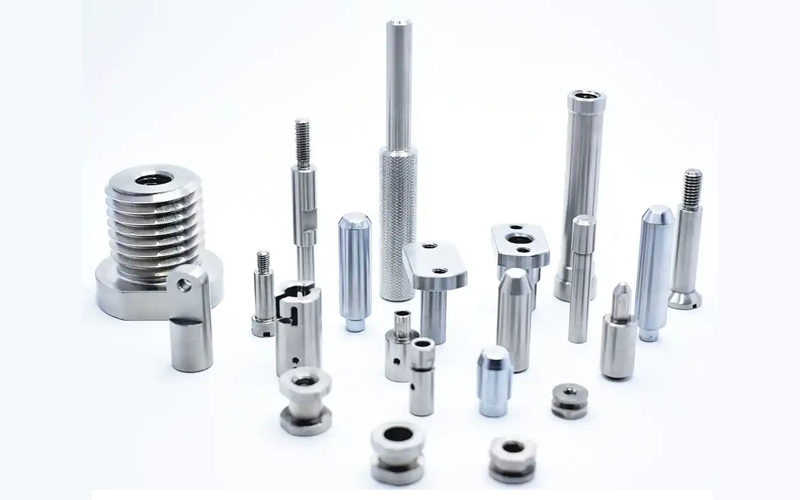
In CNC parts manufacturing, machining accuracy alone does not guarantee final cnc turned parts quality.
At Yuhuan Hongqian Machinery Co., Ltd., as an OEM / ODM CNC parts manufacturer, we have learned through real production experience that post-machining processes, surface treatment, transportation, and inspection standards often determine whether a part is accepted or rejected.
Especially for custom CNC turning parts with zinc plating or chemical nickel plating, appearance control, dimensional accuracy, and risk management are critical. Even parts that meet all dimensional requirements after machining may be scrapped due to surface damage, improper handling, or unexpected material behavior.
Why Post-Processing Affects Final Part Quality
CNC turning defines the geometry of a part, but post-processing determines its real-world usability and acceptance.
After machining, CNC parts may still have:
- Sharp edges or burrs
- Tool marks on functional or visible surfaces
- Residual internal stress
- Dimensions close to tolerance limits
Once surface treatment is applied, these conditions can change. Coatings may add thickness, polishing may remove material, and handling during post-processing can introduce surface damage.
For Yuhuan Hongqian Machinery Co., Ltd., post-machining quality control is particularly critical because many custom CNC parts do not have unified acceptance standards. Clear control of appearance and dimensions prevents potential disputes and ensures smooth delivery to customers.
Common Surface Finishing Methods for CNC Turning Parts
Based on our production experience, the most commonly used surface finishing methods include zinc plating, chemical nickel plating, black oxide, and polishing. Each process has its advantages and potential risks.
Zinc Plating
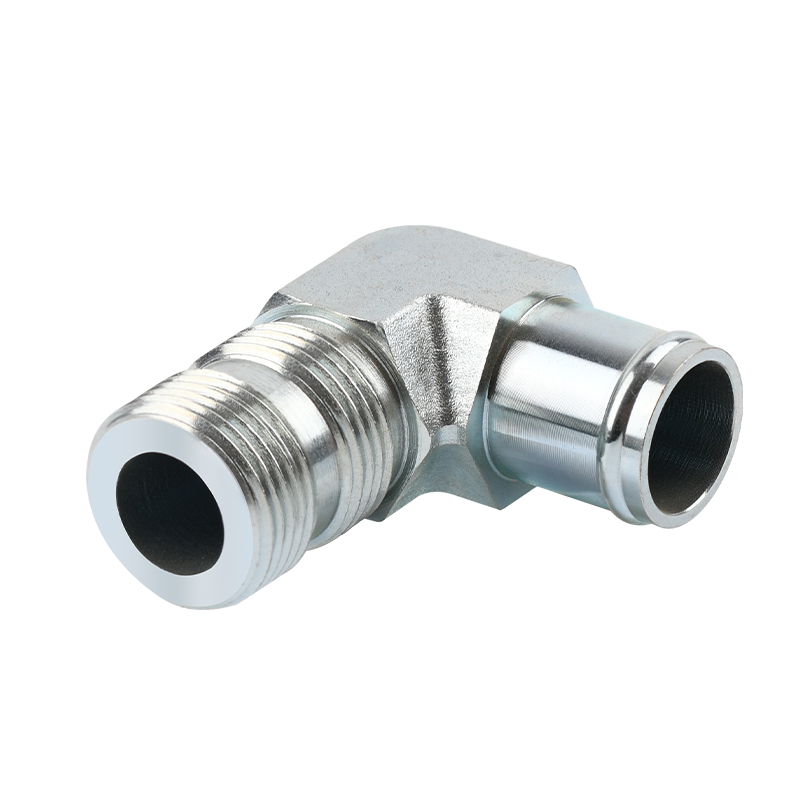
Zinc plating is widely used for CNC turning parts due to its cost-effectiveness and basic corrosion resistance. Typical coating thickness ranges from 5 to 20 μm.
However, zinc plating is also prone to quality issues:
- Coating thickness variation
- Surface scratches and impact marks
- Inconsistent appearance after batch processing
Zinc plating is often performed using barrel plating, where parts tumble together. While this reduces cost, it significantly increases the risk of surface collisions and impact damage—nearly 100% of parts may exhibit minor dents or scratches during rolling.
Rack (hanging) plating, by contrast, results in fewer defects, typically affecting 1–10% of parts, depending on size and handling. Rack plating is recommended for parts with strict appearance requirements.
Chemical Nickel Plating
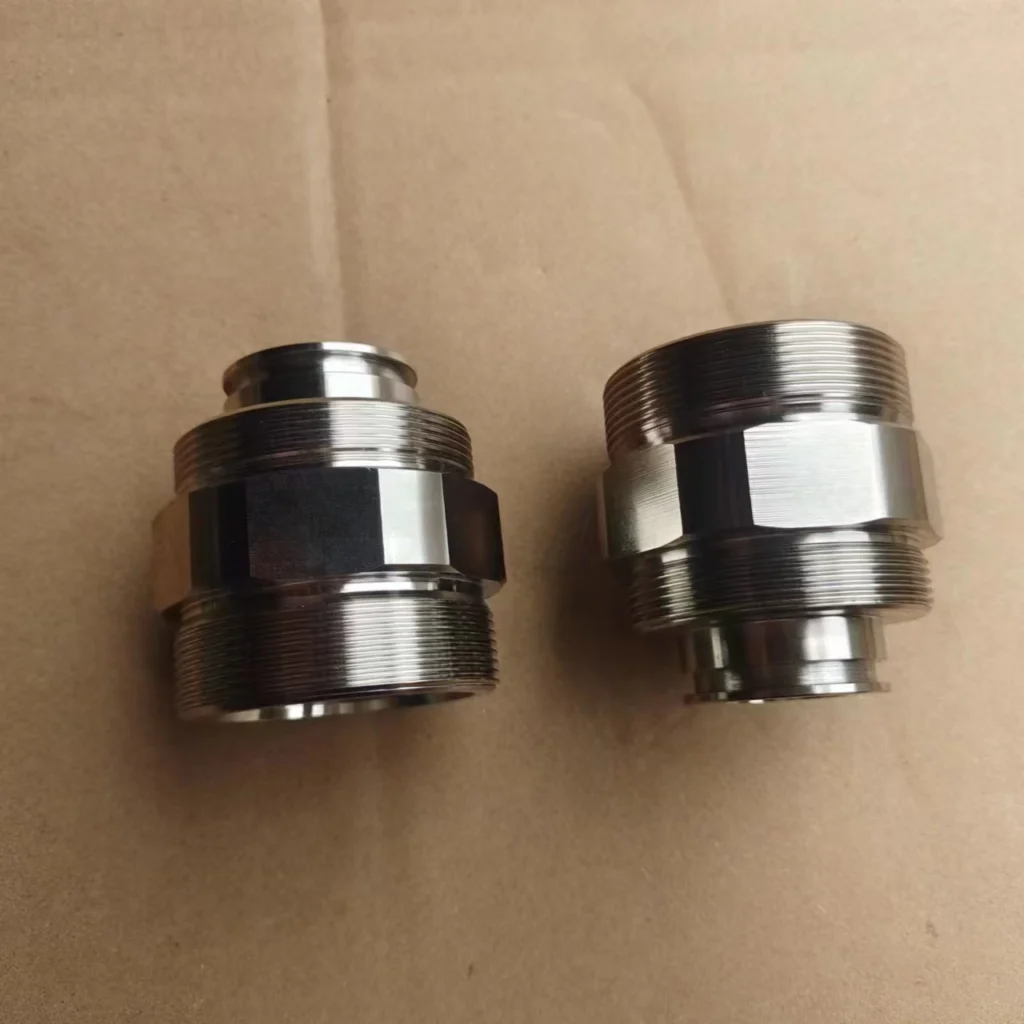
Chemical nickel plating provides uniform coating thickness and improved wear resistance, making it ideal for precision CNC parts. Typical thickness ranges from 8 to 30 μm.
However, chemical nickel plating introduces unique challenges, especially on carbon steel parts:
- During initial production, we observed that parts developed strong magnetism after plating two layers.
- The magnetic surfaces attracted iron particles, causing severe contamination and appearance defects.
- Testing confirmed that the product itself behaved like a magnet, attracting metal debris.
To resolve this, Yuhuan Hongqian Machinery Co., Ltd. purchased a demagnetization machine. After applying proper demagnetization, the magnetic behavior was eliminated, and surface contamination was reduced.
This case highlights the importance of preemptively considering material behavior and post-treatment effects when specifying chemical nickel plating, particularly for large carbon steel components, where magnetism is more pronounced.
Black Oxide (Blackening) and Polishing
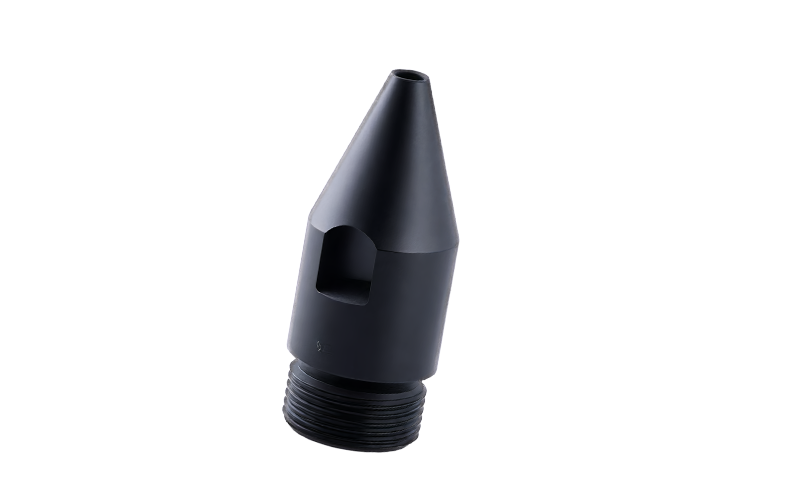
Black oxide provides basic corrosion resistance with minimal dimensional impact. Polishing improves surface smoothness and visual quality but may remove material and reduce critical dimensions.
All surface treatments must consider dimensional changes. At Yuhuan Hongqian Machinery Co., Ltd., we verify all dimensions against post-plating values, ensuring that functional tolerances are maintained.
Surface Finish Summary Table
| Surface Finish | Typical Thickness / Ra | Dimensional Impact | Common Risk | Defect Rate |
|---|---|---|---|---|
| Zinc Plating | 5–20 μm | +0.005–0.02 mm | Scratches, dents | Barrel plating ~100%, Rack 1–10% |
| Chemical Nickel | 8–30 μm | +0.005–0.01 mm | Magnetic contamination, difficult repair | 1–10% depending on handling |
| Black Oxide | Minimal | Minimal | Color inconsistency | <5% |
| Polishing | Ra 0.4–0.8 μm | −0.002 to −0.01 mm | Over-polishing | <5% |
How Surface Treatments Affect Dimensions
Surface treatments influence CNC parts in several ways:
- Material Addition
Plating processes such as zinc plating and chemical nickel plating increase part dimensions. Even small variations can affect thread engagement, mating fits, and assembly performance. - Material Removal
Polishing or surface smoothing removes material, which can push dimensions below tolerance if not controlled properly. - Stress and Process Effects
Certain treatments may release residual stress or introduce thermal effects, resulting in slight dimensional changes.
All critical features, including external diameters, internal bores, and threads, must be measured after plating. Production planning must consider these changes to ensure parts remain within functional tolerances.
Appearance Defects and Acceptance Standards
Appearance-related complaints are one of the most common causes of customer dissatisfaction.
Key Observations
- Rolling (barrel) plating almost always produces minor impact marks (~100% of parts).
- Hanging (rack) plating has fewer defects, roughly 1–10%, depending on part size and handling.
- Zinc plated parts are prone to scratches and dents; chemical nickel parts may attract metal particles if demagnetization is not performed.
Effective supply chain management and careful handling at all stages—machining, plating, and transport—are essential to minimize appearance defects. Improper management often results in scrapped parts, particularly for custom CNC parts with high aesthetic requirements.
Transportation and Handling Risks
Surface damage is not limited to plating processes. Transportation between machining, plating, and inspection is another major risk factor.
Without proper packaging and handling:
- Parts may collide during transit
- Coatings can be damaged before inspection
- Even minor impacts can result in rejection
For custom CNC parts, even a single dent or scratch can mean scrapping, making full attention to handling and protective measures critical.
Final Inspection Before Shipment
Due to high customer expectations, final inspection is necessary for every shipment.
At Yuhuan Hongqian Machinery Co., Ltd., final inspection includes:
- Dimensional verification of all critical features after plating
- Thread inspection and fit checking
- Visual inspection for surface damage
Sampling inspection is applied, but appearance, dimensions, and thread quality are all essential. A single defect can affect acceptance, particularly for OEM/ODM custom parts.
Risk Control for OEM / ODM CNC Parts Manufacturing
For custom CNC parts, unified acceptance standards are often lacking. Differences between factory standards and customer standards can lead to disputes or non-payment.
Yuhuan Hongqian Machinery Co., Ltd. emphasizes risk control as a core competency:
- Communicate appearance and dimensional requirements clearly
- Consider plating thickness and material behavior during production planning
- Apply demagnetization for carbon steel parts after chemical nickel plating
- Monitor transportation and handling to prevent damage
- Select proper surface finishing methods and suppliers
By implementing these measures, the company minimizes rejection risk and ensures parts meet both functional and aesthetic requirements.
Conclusion: Final Quality Determines Customer Satisfaction
For Yuhuan Hongqian Machinery Co., Ltd., final quality is confirmed after machining, surface treatment, handling, and inspection, not solely at the CNC machine.
Zinc plated and chemical nickel plated parts require particular attention due to potential surface defects, dimensional changes, and, in the case of chemical nickel, induced magnetism.
Comprehensive quality control, careful planning, and effective risk management across all production stages ensure parts meet customer expectations, maintain functional performance, and support long-term cooperation.