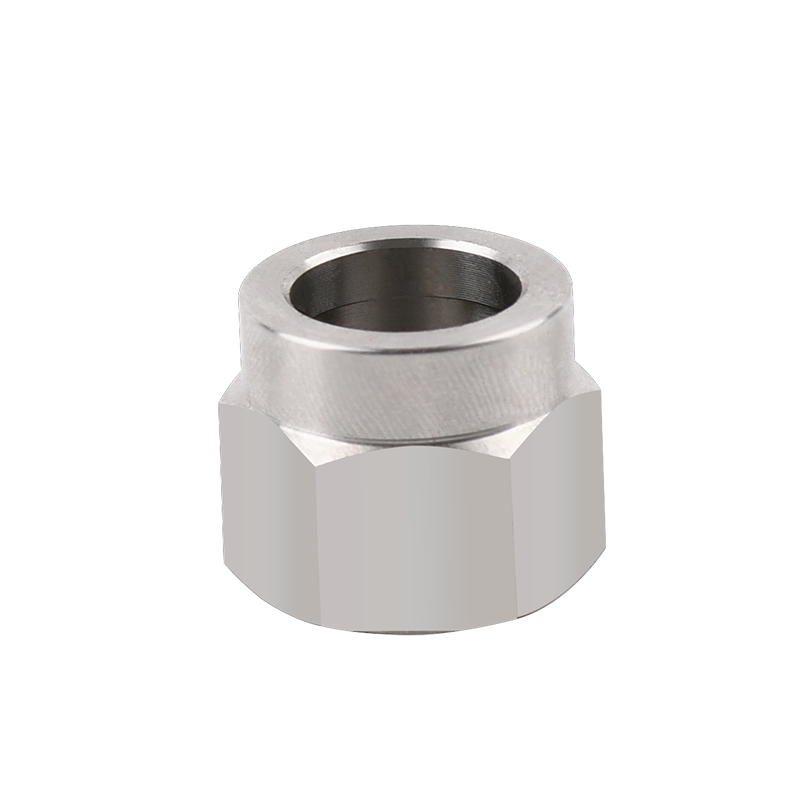
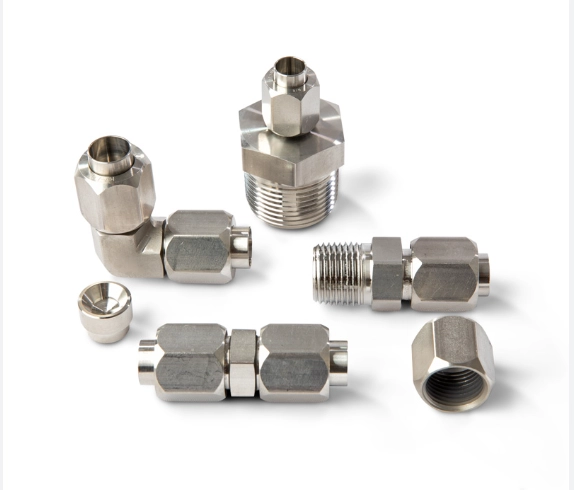
In the competitive world of global manufacturing, the quality of your CNC machined parts is determined by more than just dimensional accuracy. While a 5-axis lathe can achieve tolerances of ±0.01 mm, the real-world performance of that part depends on its “second skin”—the surface finish.
For procurement managers and engineers, the challenge is balancing cost, aesthetics, and performance. Should you choose standard Zinc plating for cost-efficiency, or invest in Zinc-Nickel alloy for extreme environments? How do you ensure your high-strength CNC machined parts don’t suffer from hydrogen embrittlement?
Based on our years of experience operating 80+ CNC machines and producing thousands of hydraulic fittings, this guide breaks down the 9 most critical surface treatments you need to know.
1.Zinc Plating: The Most Versatile Finish for CNC machined parts
For most CNC machined parts used in hydraulic systems and general machinery, Zinc plating remains the most versatile and cost-effective solution. By providing a sacrificial anode layer, it effectively shields the steel substrate from oxidation.
Depending on your aesthetic and anti-corrosion requirements, we offer three primary categories of Trivalent Zinc plating:
-
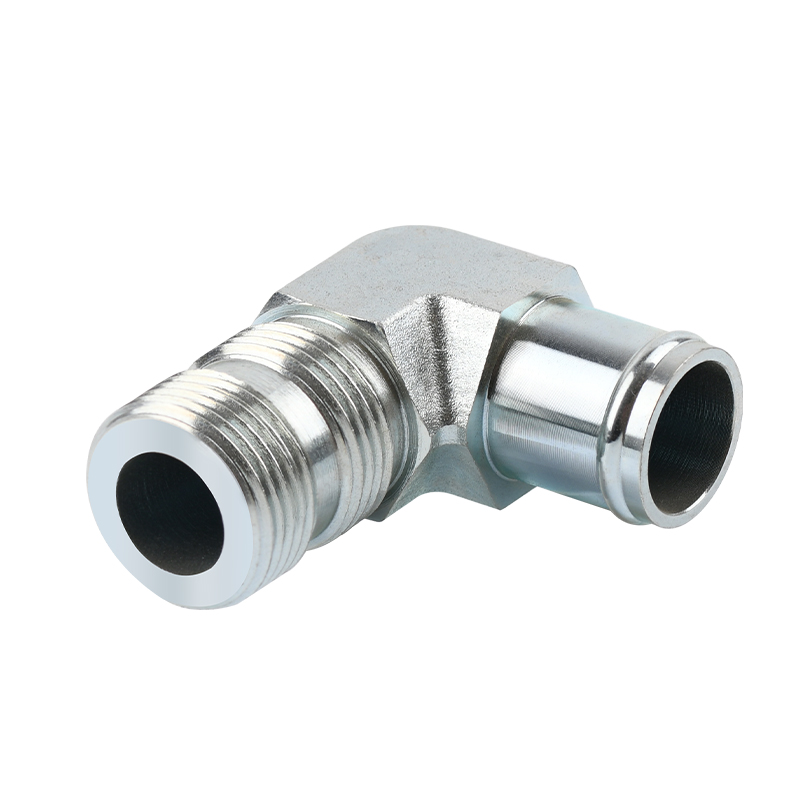
Blue-White Zinc (Clear Zinc): Offers a sleek, silver-blue metallic finish. Our standard Blue-White Zinc consistently passes 120 hours of Neutral Salt Spray (NSS) testing.
-
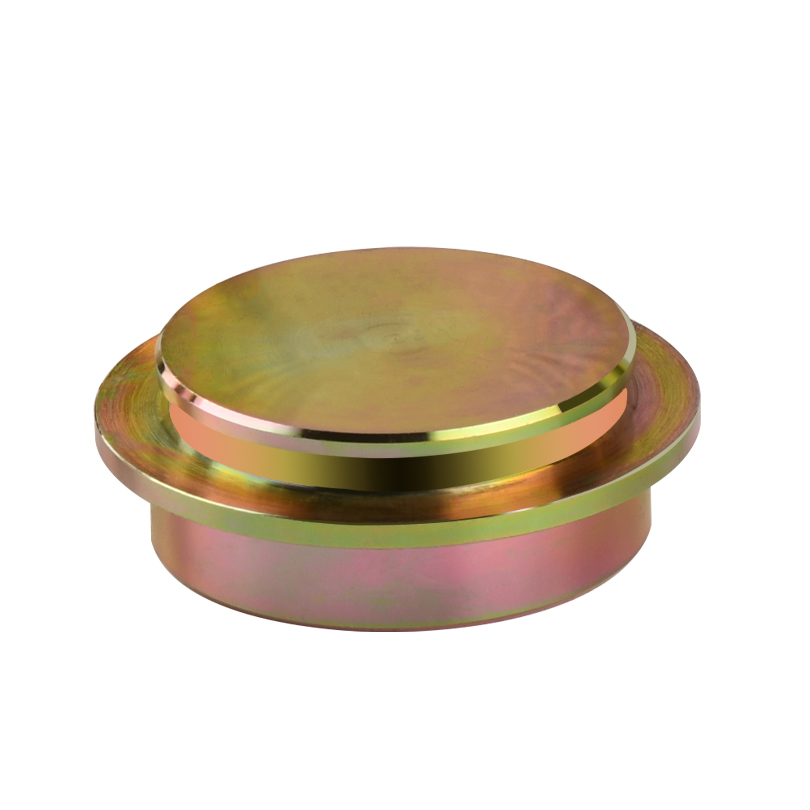
Eco-friendly Color Zinc (Yellow Zinc): Utilizes a thicker Trivalent Chromium passivation layer to achieve superior corrosion resistance, typically reaching 144–240 hours NSS.
-
Environmental Protection Zinc (RoHS Compliant): We exclusively use Trivalent Chromium (Cr3+) to ensure all components are 100% RoHS and REACH compliant, meeting the strict environmental entry requirements of the European and North American markets.
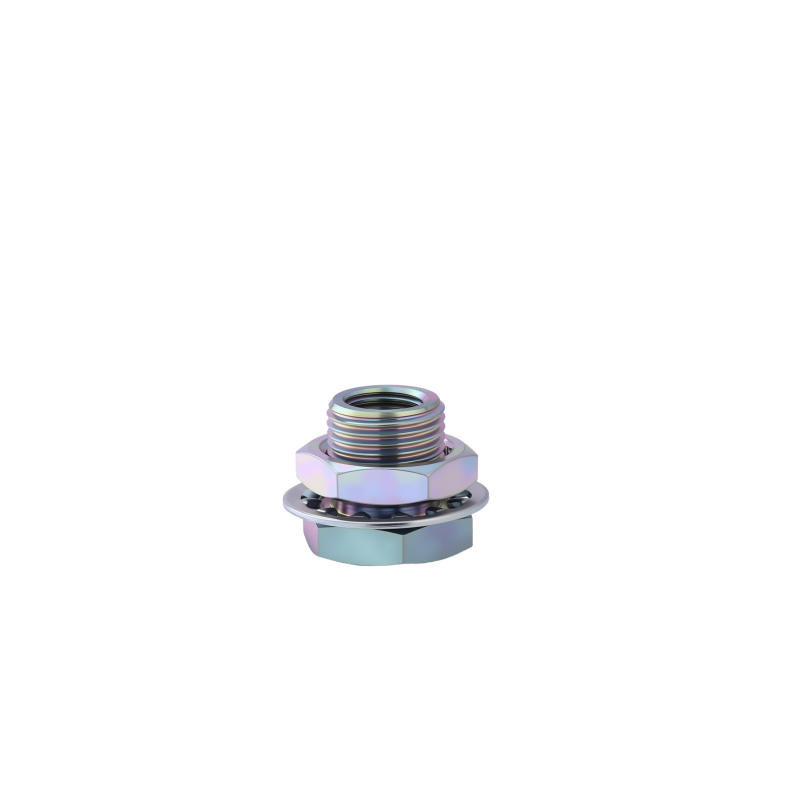
The Critical Role of Sealers (Post-Passivation)
A common industry “secret” for high-end CNC machined parts is the application of a Sealer . While passivation creates the initial protective film, it often has a microscopic porous structure. Applying a high-quality sealer fills these pores, creating a secondary chemical and physical barrier.
-
Salt Spray Boost: Incorporating a sealer can extend the salt spray resistance of standard Blue-White Zinc from 120 hours to over 200+ hours.
-
Scratch & Wear Resistance: The sealer significantly hardens the surface, mitigating the risk of rust initiated by minor surface scuffs or (handling marks) during transit and assembly.
Expert Insight: Zinc is a relatively soft coating. In our facility, we combine high-performance sealers with strict anti-collision protocols. We believe that for precision hydraulic fittings, a sealer isn’t just an “extra”—it’s an essential insurance policy against premature failure in the field.
2. Zinc-Nickel Alloy: High-Corrosion Protection for Automotive CNC machined parts
When 120 hours of salt spray isn’t enough, Zinc-Nickel (Zn-Ni) is the professional upgrade.
-
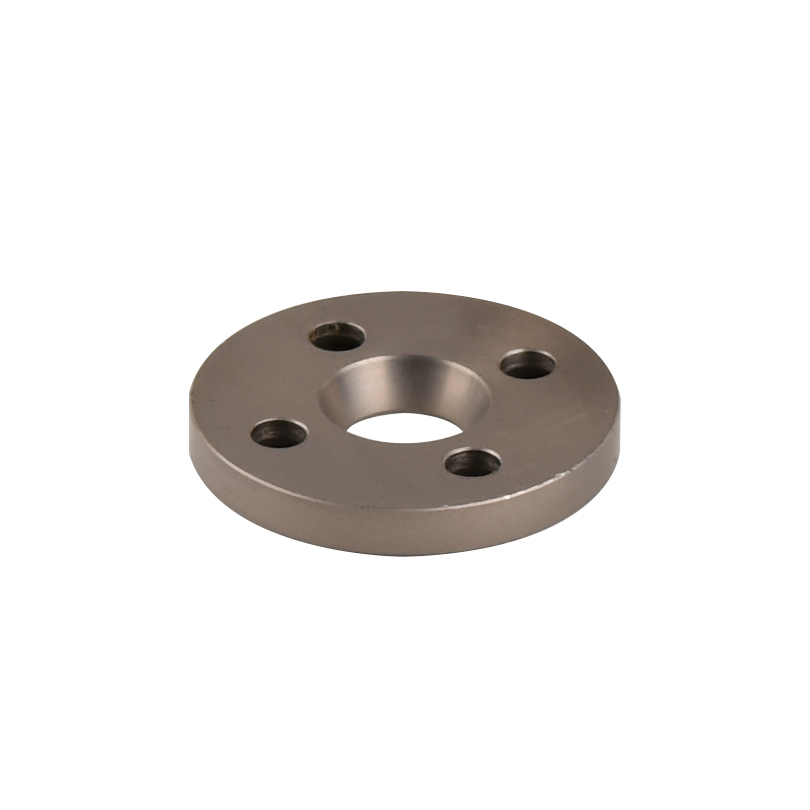
Performance: Zn-Ni typically contains 12-15% nickel. Our process achieves 500 to 1,500 hours of NSS testing. In high-performance applications, parts can withstand over 1,200 hours before any red rust appears.
-
Corrosion Logic: Unlike traditional plating, the white corrosion products of Zn-Ni are much more stable. Red rust takes significantly longer to form, providing a vital safety margin for offshore or automotive chassis components.
3. Dacromet: Preventing Hydrogen Embrittlement in High-Strength CNC machined parts
If you are dealing with 10.9 or 12.9-grade high-strength CNC machined parts, hydrogen embrittlement is your worst enemy. Standard electroplating risks making these parts brittle, leading to sudden failure.
-
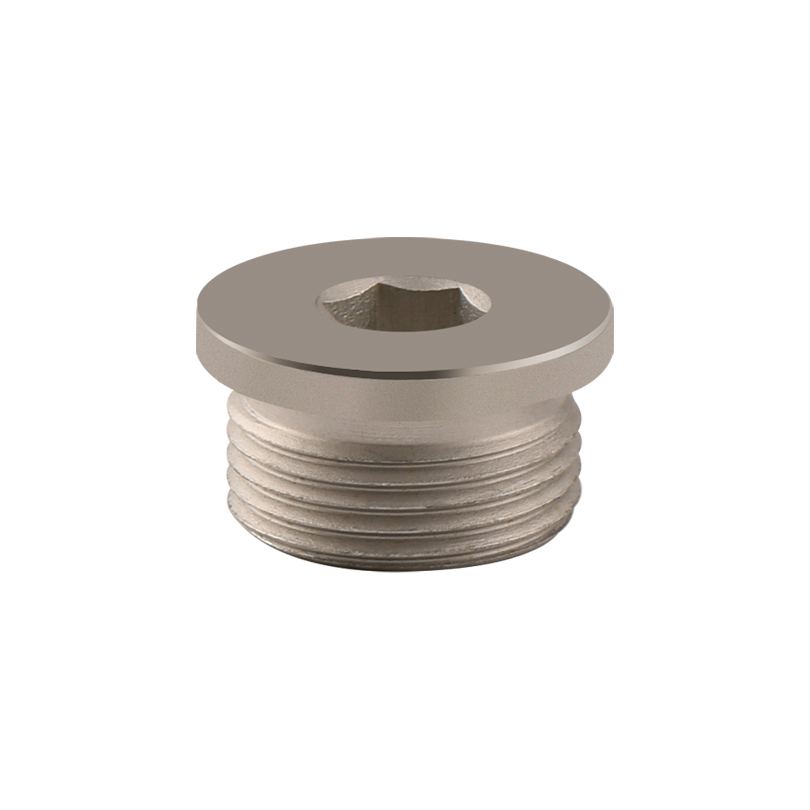
Why Dacromet? It is a non-electrolytic coating consisting of zinc and aluminum flakes. Because it doesn’t involve an acid pickling or electrolysis stage, the risk of hydrogen embrittlement is virtually zero.
-
Testing: Depending on the thickness (usually 4–8 μm), Dacromet can guarantee 500 to 2,000 hours of salt spray resistance. It is 7 to 10 times more corrosion-resistant than traditional galvanizing.
4.E-Coating: Full Coverage for Intricate CNC MACHINED PARTS and Manifolds
Unlike traditional plating, E-Coating (Electrophoretic Deposition) is an organic resin coating process. It is the gold standard for CNC MACHINED PARTS with complex internal geometries, such as hydraulic manifolds and valve bodies.
-
Total Submersion Coverage: Because the parts are fully submerged, the electric field ensures that every internal cavity and thread receives a uniform protective “shell,” leaving no blind spots.
-
Corrosion Powerhouse: E-Coating acts as a dense, hermetic barrier. It consistently passes 500+ hours of salt spray testing, offering superior outdoor protection compared to standard ENP.
-
Engineering Note: E-Coating typically adds 20–30 μm of thickness. This build-up must be carefully accounted for in your CNC machining tolerances to ensure a perfect fit during final assembly.
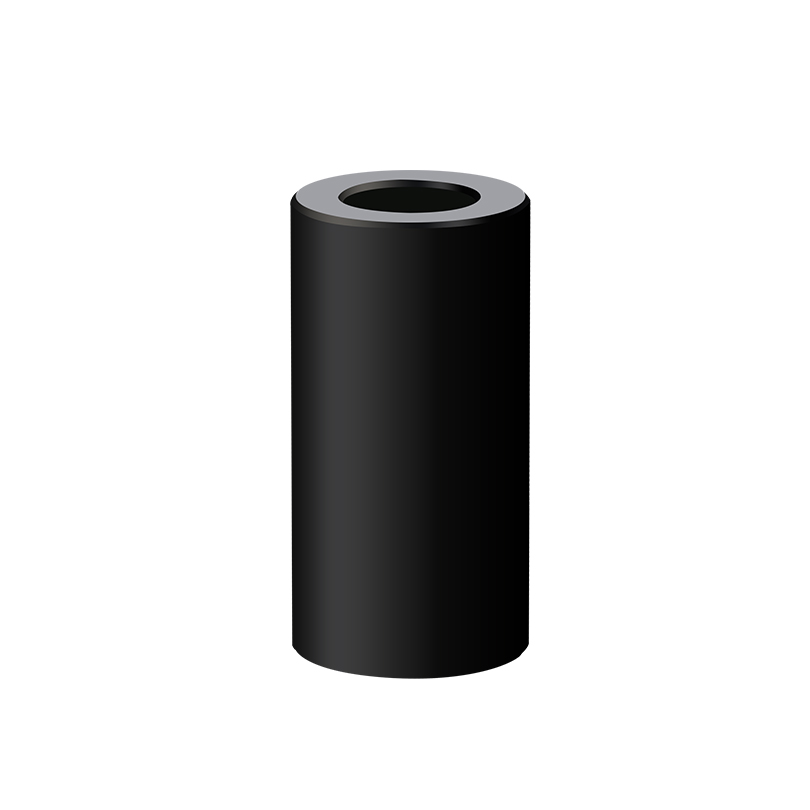
5. Black Oxide: Precision Coating with Zero Dimensional Change for CNC machined parts
Commonly used for indoor tools and precision gears, Black Oxide is a conversion coating.
-
Dimensional Impact: It adds essentially zero thickness to the part. This makes it ideal for CNC machined parts with extremely tight tolerances that cannot afford even a 5-micron increase.
-
Limitation: The corrosion resistance is low (less than 12 hours NSS). It relies heavily on a post-coating oil dip to prevent rust.
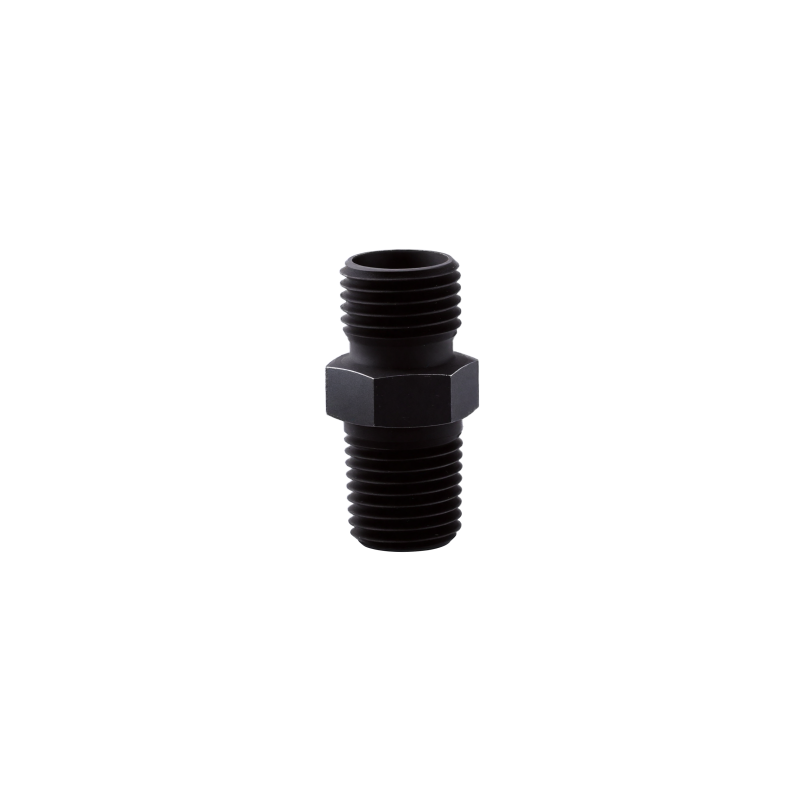
6. Hard Chrome Plating: Enhancing Wear Resistance for Industrial CNC machined PARTS
If your part is subject to constant friction—like a hydraulic piston rod—Hard Chrome is the answer.
-
Hardness: It reaches levels of HV 800–1000.
-
Technical Note: Chrome plating tends to build up on sharp edges. For precision shafts, we usually recommend “plate and grind,” where we over-plate the part and then grind it back to the final micron-accurate dimension.
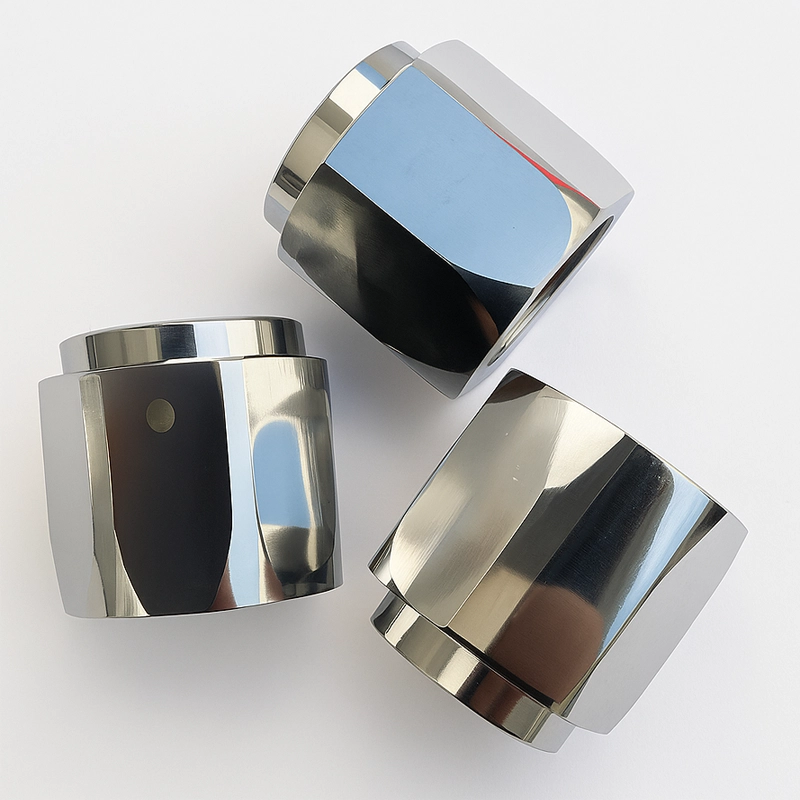
7. Hot-Dip Galvanizing: Heavy-Duty Protection for Outdoor CNC machined parts
This involves dipping the part in a 450°C bath of molten zinc.
-
Durability: The coating is thick (50 μm+)) and provides decades of protection.
-
Machining Tip: Because the coating is so thick, threads must be cut “oversized” to allow for the zinc layer, or the parts will not assemble.
8.Electroless Nickel Plating (ENP): Superior Uniformity for Complex Geometries
Electroless Nickel Plating (ENP) is unique because it is a chemical autocatalytic reaction that doesn’t require an electric current.
-
Uniformity: The coating thickness is perfectly uniform, even inside deep blind holes.
-
The 20 μm & Demagnetization Rule: We have extensive experience with 20 μm coatings. A critical step we never skip is demagnetization to prevent metallic debris from ruining precision fits.
-
The Salt Spray Reality & Sealers: Standard ENP typically struggles to pass even an 8-hour salt spray test due to its microscopic porosity. If your project requires higher corrosion resistance, we must apply a specialized Sealer .
-
Performance Expectation: With professional sealing, the salt spray resistance can be boosted to 24–96 hours. However, due to the inherent complexity of the chemical bath, stability can vary. We recommend ENP primarily for parts where dimensional precision and hardness are the priority, rather than extreme outdoor corrosion resistance.
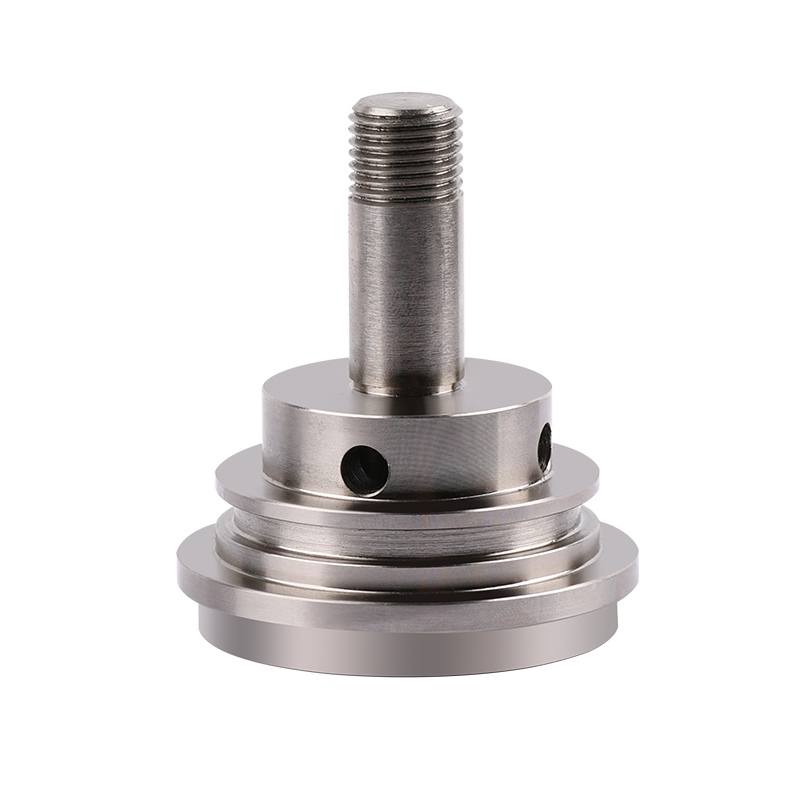
9.Nickel Plating (Electro-Nickel): Aesthetics & Base Layers
Standard Electro-Nickel plating uses an electric current to deposit a nickel layer onto the part. It offers a bright, decorative finish and excellent sulfur resistance. In many industrial applications, it is often used as a base layer for decorative chrome. However, it has a “line-of-sight” limitation: areas like deep holes or internal threads will receive significantly less coating than the outer edges due to current density variations.
Technical Deep Dive: Electro-Nickel vs. Electroless Nickel (ENP)
Understanding the core differences between these two is vital for CNC machined parts with complex geometries or high-performance requirements:
-
Principle & Uniformity: Electro-Nickel relies on external DC current and anodes, creating a “line-of-sight” effect where edges build up and recesses stay thin. In contrast, ENP is an autocatalytic chemical reaction. ENP provides 100% uniform thickness regardless of the part’s shape, making it the superior choice for precision internal threads and deep blind holes.
-
Hardness & Wear: ENP (especially high-phosphorus versions) is significantly harder than standard electro-nickel. While electro-nickel is often used for aesthetics, ENP reaches HV 500–1000 (after heat treatment), offering extreme wear resistance.
-
Corrosion & The “8-Hour” Reality: ENP has an amorphous structure with no crystalline gaps, providing better natural corrosion resistance than electro-plating. However, standard ENP often struggles to pass even an 8-hour salt spray test due to microscopic porosity. To achieve 24–96 hours, a specialized Sealer must be applied. Note that due to chemical bath complexity, stability in salt spray results can vary.
-
Cost vs. Precision: ENP is more expensive due to complex chemical management, but it is the only choice for parts requiring tight micron-level tolerances in internal cavities.
Technical Deep Dive: Black Oxide vs. E-Coating
While both processes result in a professional black finish, their engineering functions and protective capabilities are polar opposites:
-
Principle of Formation: Black Oxide is a chemical conversion coating (typically Fe3O4) that transforms the metal surface itself. E-Coating (Electrophoretic Deposition) is an organic resin coating that is electrically deposited onto the part, creating a distinct layer.
-
Dimensional Impact: The “Zero-Thickness” Rule
-
Black Oxide: Adds essentially zero thickness (less than 1 μm). It is the gold standard for precision gears, sliders, and high-tolerance instruments where assembly dimensions must remain unchanged.
-
E-Coating: A build-up coating that typically adds 20–30μm. It provides a smooth, paint-like finish but requires engineers to account for this thickness during the CNC machining stage, especially for threads.
-
-
Corrosion Protection: “Shell” vs. “Film”
-
E-Coating: A corrosion powerhouse. It acts as a durable, hermetic “shell” that consistently passes 500+ hours of salt spray testing, making it suitable for automotive and outdoor use.
-
Black Oxide: Provides minimal protection. It is a “thin-film” solution that relies entirely on a post-coating oil dip. Without oil, it typically fails salt spray in under 12 hours. It is strictly for indoor or lubricated environments.
-
-
Aesthetics & Cost: Black Oxide is cost-effective and preserves the original surface texture. E-Coating is more expensive but provides a much more beautiful, uniform, and high-gloss/matte aesthetic.
Technical Comparison Table for CNC Machined Parts
| Finish Type | Salt Spray (NSS) | Dimensional Impact | Hydrogen Risk | Best For |
| Electro-Zinc | 72–120h | 5–12μm | High | General Hydraulic Fittings |
| Zinc-Nickel | 500–1500h | 8–15μm | Moderate | Automotive / Marine |
| Dacromet | 500–2000h | 20-30μm | None | 12.9 Grade Bolts |
| Black Oxide | < 12h | < 1μm | None | Precision Gears (Indoor) |
| ENP (Nickel) | 8-48h | 10–30μm | Moderate | Complex Internal Valving |
| E-Coating | 500h+ | 20–30μm | Low | Large Manifolds / Castings |
| Hard Chrome | 100h+ | 20–100μm | High | Piston Rods / Wear Parts |
FAQ: Frequently Asked Questions
Q: Which finish should I use for 12.9-grade bolts?
A: If you demand for salt spray test and enviroment , then we strongly recommend Dacromet. Standard electroplating risks hydrogen embrittlement, which can cause the bolt to snap under load. Dacromet eliminates this risk.
Q: Why do my Zinc-plated parts show rust after only 24 hours?
A: After surface treatment usually can ensure few months no rust , but when your zinc plated parts get rust , this is often due to surface “scuffs” or Handling Marks during transport or assembly. Even high-quality 120h Zinc will fail early if the protective passivation film is scratched.
Q: Can I get 20μm of plating on an internal thread?
A: Yes , you can choose dacromet ,Electroless Nickel,E-Coating ,these surface treatment can satisfy 20um thickness and can keep long time no rust .
Conclusion: Making the Right Choice
Selecting a surface finish for your CNC machined parts is a balance of science and budget. If you are working on standard hydraulic connectors, Blue-White Zinc is your best value. If you are serving the offshore or automotive sectors, Zinc-Nickel or Dacromet is the professional choice.
At Yuhuan Hongqian Machinery, we don’t just machine parts; we provide finished solutions. With our fleet of 80 CNC machines and deep expertise in surface chemistry—from 20μmENP with demagnetization to 1500h Zinc-Nickel—we ensure your components perform exactly as designed.
Ready to start your next project?
[Contact our Engineering Team Today] for a detailed quote on your high-precision CNC machined parts. We provide full RoHS compliance and Salt Spray Test certification for every batch.