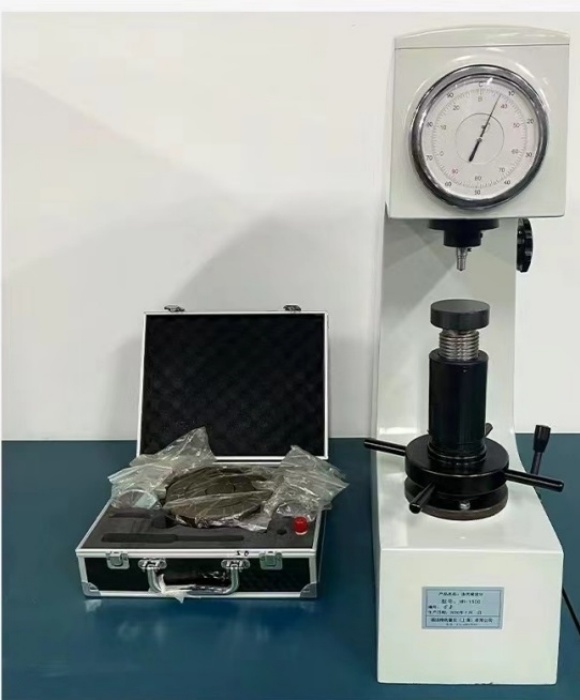
brinell hardness indentation test on carbon steel component

Hardness is one of the most important mechanical properties of steel materials. It describes the ability of a material to resist permanent indentation when a harder object presses into its surface.

In practical engineering applications, hardness values are widely used to estimate material strength, wear resistance, and machinability.

For manufacturers of steel pipe fittings, steel fittings, carbon steel forged parts, and carbon steel CNC machined parts, hardness values are especially important because they influence:

  • machining difficulty

  • tool wear

  • surface durability

  • heat treatment results

Common hardness measurement systems include:

  • Brinell Hardness (HB)

  • Rockwell Hardness (HRC, HRB, HRA)

  • Vickers Hardness (HV)

These testing methods are widely used in alloy steel, low carbon steel, medium carbon steel, and high carbon steel, especially in automotive components and mechanical fittings.

Types of Steel Hardness Tests

Brinell Hardness (HB)

Brinell hardness testing measures hardness by pressing a hardened steel ball into the material surface under a specified load.

Typical testing conditions:

  • Ball diameter: 10 mm

  • Load: 3000 kg

The hardness value is calculated by dividing the applied load by the indentation surface area.

Brinell hardness is commonly used for:

  • carbon steel

  • cast iron

  • forged components

  • large structural parts

It is widely applied in quality control for carbon steel forged parts and heavy steel fittings.

Rockwell Hardness (HR)

Rockwell hardness determines hardness by measuring the depth of indentation produced by an indenter under load.

Three common Rockwell scales are used.

HRA

Load: 60 kg
Indenter: Diamond cone

Typical materials:

  • cemented carbide

  • extremely hard materials

HRB

Load: 100 kg
Indenter: 1.588 mm steel ball

Typical materials:

  • annealed steel

  • softer metals

HRC

Load: 150 kg
Indenter: Diamond cone

Typical materials:

  • quenched steel

  • heat-treated carbon steel

  • alloy steel components

HRC hardness is the most common specification for automotive steel parts and precision machined components.

Vickers Hardness (HV)

Vickers hardness uses a diamond pyramid indenter with a 136° angle between opposite faces.

Load:

up to 120 kg

The hardness value is calculated from the indentation area.

Vickers hardness is often used for:

  • thin materials

  • surface treatments

  • micro-hardness testing

Steel Hardness Conversion Chart

According to DIN 50150, the following table shows the approximate relationship between:

  • Tensile Strength

  • Vickers Hardness

  • Brinell Hardness

  • Rockwell Hardness

This conversion table is widely used in engineering calculations and material selection.

steel hardness testing using rockwell hardness tester
hardness tester

Hardness Conversion Formulas

Several empirical formulas are used for quick engineering estimation.

Shore hardness

HS = HB / 10 + 12

HS = HRC + 15

Rockwell hardness

HRC = HB / 10 − 3

These formulas are approximate and should only be used for quick calculations. Precise values should be obtained through hardness testing.

Why Hardness Matters in Steel Machining

Hardness plays a critical role in the manufacturing of:

  • steel pipe fittings

  • steel fittings

  • carbon steel forged parts

  • carbon steel CNC machined parts

Higher hardness usually means:

  • higher wear resistance

  • better strength

  • more difficult machining

For example:

Heat-treated carbon steel components used in automotive systems, hydraulic fittings, and mechanical assemblies often require hardness control to ensure durability and dimensional stability.

Manufacturers must balance hardness with machinability to achieve both precision machining and long service life.

FAQ

What hardness is typical for carbon steel parts?

Most carbon steel mechanical parts fall between HB 120 – HB 300, depending on heat treatment and carbon content.

What hardness is common for automotive steel components?

Automotive components typically range from HRC 20 – HRC 45 after heat treatment.

Can hardness indicate tensile strength?

Yes. Hardness and tensile strength have an approximate relationship, which is why hardness testing is often used as a quick estimate of material strength.

Which hardness test is most common for steel parts?

Rockwell hardness HRC is the most commonly used hardness test for heat-treated steel components.

Call to Action

If you are designing steel pipe fittings, steel fittings, carbon steel forged parts, or carbon steel CNC machined parts, hardness control is essential for ensuring performance and durability.

Our engineering team specializes in precision manufacturing of custom steel components with strict hardness and quality control.

👉 Contact us today to discuss your project or request a quotation for custom CNC machined steel parts.


Request a Quote