Introduction
With the continuous rise in carbide tool costs, china cnc machining area face a big challenge for cost increase ,especially in carbon steel pipe fittings and stainless steel pipe fittings and titanium .
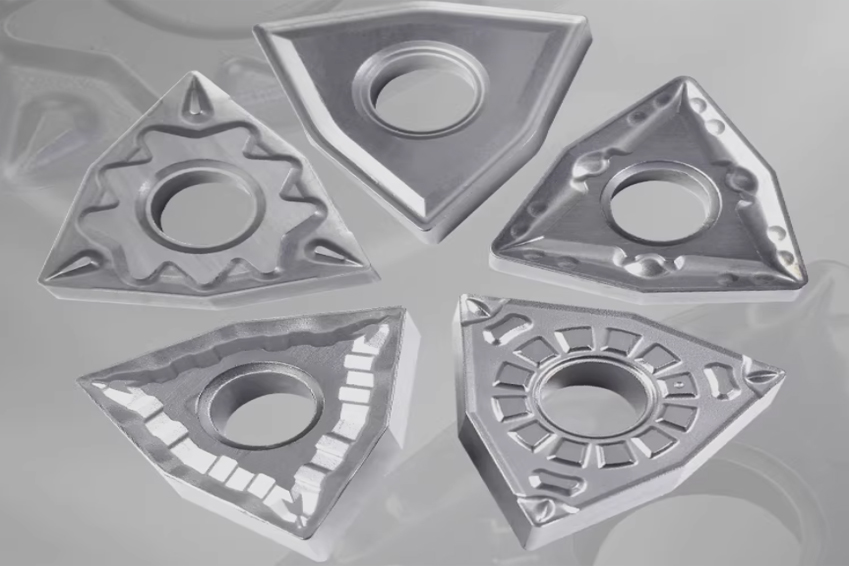
In recent years, the price of carbide inserts has increased significantly—at times reaching up to three times the cost of ceramic tools. This creates a major challenge for machining companies that rely heavily on carbide tools for both roughing and finishing operations.
At the same time, ceramic cutting tools are becoming a practical and cost-effective alternative in specific machining conditions.
In this article, we will explain how ceramic tools can help reduce machining costs, when they can be used, and where carbide tools are still necessary.
Rising Cost of Carbide Tools
Carbide inserts are the most commonly used cutting tools in CNC machining. However, their cost has increased due to several factors:
-
- global supply chain instability
- raw material cost fluctuations
- geopolitical factors
Since 2026, the price has increased significantly, in some cases up to three times within a short period.
| Tool Type | Price (CNY) | Cost Ratio |
|---|---|---|
| Ceramic Insert | 6 – 13 | 1x |
| Carbide Insert | 20 – 30 | ~3x |
This price gap makes a significant difference in long-term production costs, especially for high-volume manufacturing of carbon steel CNC machined parts.
Ceramic Cutting Tools in Carbon Steel Machining
Ceramic cutting tools are made from advanced materials such as alumina-based ceramics. They are known for:
- High hardness
- Excellent heat resistance
- Suitability for high-speed cutting
For carbon steel materials such as:
- 08F
- 1020
- Q235
- 35#
- 1045
Ceramic tools can be widely used, especially in both roughing and finishing operations.
In many real machining conditions, ceramic tools can improve performance by approximately 10%–20% in finishing processes, particularly when stable cutting conditions are maintained.
When Carbide Tools Are Still Necessary
Although ceramic tools offer cost advantages, they are not suitable for all applications.
Ceramic tools are generally more suitable for finishing operations, where stable cutting conditions allow them to achieve optimal performance.
Ceramic inserts require stable cutting conditions. They are not suitable for interrupted cutting, heavy vibration, or high-impact roughing operations, where carbide tools provide better toughness and reliability.
Carbide tools are still recommended in the following cases:
- Materials with hardness above HRC 35
- Interrupted cutting conditions
- Heavy roughing with high impact loads
For example, when machining forged carbon steel parts or components with scale and inconsistent surfaces, carbide inserts provide better stability and impact resistance.
In practical production, a combination of ceramic and carbide tools is often the most efficient and cost-effective solution.
.

Cost Comparison: Ceramic vs Carbide Inserts
Let’s take a real machining example using TNMG160408 inserts.
Assumptions:
- Tool life: approximately 1500 parts per insert
- Machining time: around 15 seconds per part
- Same machining conditions
Tool Cost Comparison:
| Item | Ceramic Insert | Carbide Insert |
|---|---|---|
| Average Price | 10 CNY | 25 CNY |
| Tool Life | 1500 parts | 1500 parts |
| Cost per Part | 0.0067 CNY | 0.0167 CNY |
Result:
Ceramic tools reduce tooling cost by approximately 60% per part
Real Production Experience
In our CNC turning production, we have tested both carbide and ceramic inserts when machining carbon steel materials such as Q235 and 1045.
Under the same machining conditions, we observed:
- Carbide inserts perform better in rough machining
- Ceramic inserts perform better in high-speed finishing
From a cost perspective:
- Ceramic inserts significantly reduced tooling cost per part
- Reduced tool changes also improved production efficiency
In real production, we found that using ceramic inserts in suitable applications can reduce overall machining costs by approximately 10%–20%, depending on the part and machining conditions.
This result is based on our actual production experience, not theoretical estimation.
Practical Machining Strategy
Based on experience, the most effective approach is to use both tools strategically:
- Use ceramic inserts for:
- Finishing operations
- Soft carbon steel materials
- High-speed machining
- Use carbide inserts for:
- Rough machining
- Harder materials
- Heavy cutting conditions
This balanced approach helps manufacturers:
- Reduce overall tooling costs
- Maintain product quality
- Improve production efficiency
Conclusion
With carbide prices keep continue increase , especially this year, manufacturers are under big increasing pressure to control machining costs.
Ceramic cutting tools provide a practical and cost-effective alternative for cnc machinery carbon steel parts, especially in high-speed and finishing operations.
By selecting the right tool for the right application, manufacturers can significantly reduce production costs while maintaining machining quality.

FAQ
Can ceramic tools replace carbide tools completely?
No. Ceramic tools are suitable for specific applications, but carbide tools are suitable both low hardness and high hardness material.
Are ceramic tools suitable for carbon steel pipe fittings?
Yes. Ceramic tools work well for carbon steel pipe fittings, especially in cnc machinery low carbon steel material .
What is the main advantage of ceramic tools?
The main advantage is lower cost combined with high performance in suitable machining conditions.
Will ceramic tools affect product quality?
When used correctly, ceramic tools can maintain or even improve surface finish quality in finishing operations. Surafce may more smooth and shine compare the carbide cutter.
Call to Action
If you are looking for a china carbon steel pipe fittings manufacture, or need professional advice on reducing machining costs, feel free to contact us.
We can help you evaluate your machining process and recommend the most cost-effective tooling solution based on your production requirements.