Is It Okay to Use Stainless Steel Fittings for PVC Pipes?
When designing or maintaining a piping system, one question often comes up in factories, workshops, and industrial plants: Can stainless steel fittings be used with PVC pipes?
This concern is common in chemical plants, CNC machining cooling systems, plating lines, water treatment facilities, and commercial building projects where PVC pipes are widely used because of their affordability and chemical resistance.
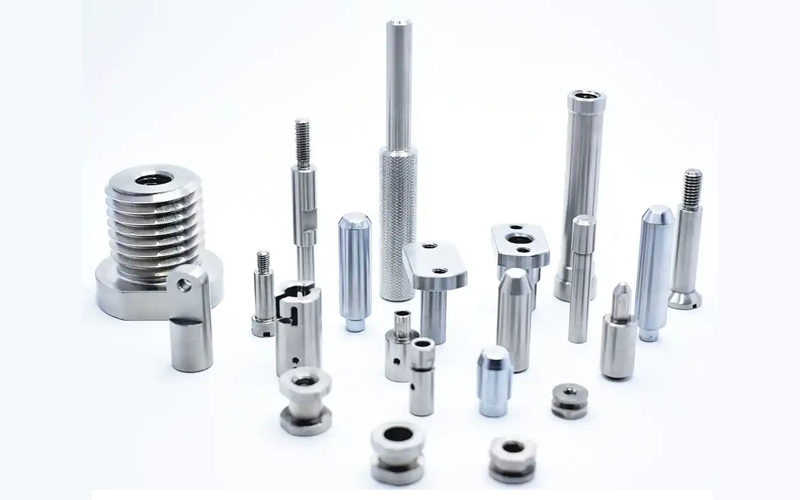
At the same time, stainless steel fittings are valued for strength, durability, and long-term corrosion resistance. But does mixing metal and plastic make sense? And are there risks you need to be aware of?
This comprehensive guide explores everything you need to know—compatibility, safety, limitations, advantages, and the best practices for using stainless steel fittings with PVC pipes.
Why People Want to Combine Stainless Steel Fittings and PVC Pipes
PVC pipes are lightweight, low-cost, and easy to install. Stainless steel fittings, on the other hand, offer superior strength and corrosion resistance. Combining them can seem attractive for applications such as:
-
Water supply systems
-
Chemical dosing lines
-
Cooling systems for CNC machining centers
-
Agricultural irrigation
-
Compressed air (low-pressure)
-
Industrial fluid transfer
-
Wastewater processing
The idea is simple: Use PVC where flexibility and cost savings are needed; use stainless steel where durability and structural support matter.
In practice, this combination can work—but only when designed correctly and used under safe operating conditions.
Can Stainless Steel Fittings Be Used on PVC Pipes?
Short Answer: Yes, but only under the right conditions.
You can connect stainless steel fittings to PVC pipes as long as:
-
The pressure is within safe limits.
-
Temperature remains low.
-
Chemical compatibility is evaluated.
-
The correct connection method is used.
-
Mechanical stress is minimized.
However, there are important details that determine whether the system will last or fail prematurely.
Let’s break down the major factors.
1. Pressure Limitations: PVC Cannot Handle What Stainless Steel Can
Stainless steel fittings—especially SS304 and SS316—are engineered for high-pressure applications. PVC pipes, however, have significantly lower pressure ratings.
For example:
| Material | Typical Pressure Rating (depending on schedule/class) |
|---|---|
| PVC Schedule 40 | ~120–150 PSI |
| PVC Schedule 80 | ~200–280 PSI |
| Stainless Steel 304/316 | 1000+ PSI (depends on fitting type) |
If you connect high-pressure stainless steel fittings to low-pressure PVC pipes, the PVC becomes the weak point. The system is only as strong as its weakest component.
Conclusion:
Safe as long as the working pressure stays within the PVC rating.
2. Temperature Compatibility: PVC Has a Much Lower Heat Limit
Stainless steel can tolerate extreme temperatures—hundreds of degrees Celsius—without losing structural integrity.
PVC cannot.
PVC softening point is around 80°C (176°F). At higher temperatures:
-
PVC may deform
-
Glue joints can weaken
-
Pressure rating drops dramatically
If your stainless steel fitting is installed in a system that occasionally handles hot fluids, steam, or heat transfer chemicals, PVC is not suitable.
Conclusion:
Do NOT combine stainless steel fittings with PVC when temperatures exceed PVC limits.
3. Chemical Compatibility: PVC and Stainless Steel Behave Differently
Chemical resistance is another important factor.
PVC is resistant to:
-
Acids
-
Alkalis
-
Salts
-
Many industrial chemicals
Stainless steel is resistant to:
-
Corrosion
-
High chloride environments (SS316 in particular)
-
Hot water, steam, and pressure
-
Organic solvents
However, combining them can create specific risks:
Risk of galvanic corrosion
When stainless steel and a different material are connected with water present, galvanic corrosion may occur.
PVC itself is non-conductive, so galvanic corrosion does NOT happen directly.
But if the system includes additional metals, the risk increases.
Conclusion:
Generally safe—PVC does not react with stainless steel. But evaluate the entire system if other metals are involved.
4. Mechanical Stress Issues: Metal Is Stronger Than Plastic
Metal fittings are rigid and heavy. PVC is flexible and lighter. When joining the two:
-
Excess torque on threads can crack PVC
-
Heavy stainless components can stress pipe connections
-
Vibration (from pumps or machinery) can cause leaks
To avoid mechanical failures:
-
Use thread sealants, not excessive force
-
Support heavy stainless steel fittings with hangers
-
Avoid overtightening
-
Use unions for easy maintenance
-
Add flexible connectors where vibration exists
Conclusion:
Combine safely by minimizing mechanical stress.
5. Connection Methods: The Right Way to Join PVC and Stainless Steel
There are two primary methods:
A. Threaded Connections
This is the most reliable method.
Use:
-
Male stainless steel threads → Female PVC threads
NOT the opposite.
Male PVC threaded parts can crack if forced into metal female threads.
Best practice:
✔ Always use stainless steel male → PVC female
✔ Use Teflon tape or thread sealant
✔ Never overtighten
B. Flanged Connections
Ideal for larger pipes.
Benefits:
-
Easy to assemble
-
Easy to remove
-
Good mechanical stability
Use PVC flanges and stainless steel flanges with a gasket in between to prevent uneven compression.
6. Advantages of Using Stainless Steel Fittings With PVC Pipes
Even though PVC and stainless steel are very different materials, using them together has valid advantages.
1. Durability at Connection Points
Stainless steel fittings handle repeated tightening and maintenance better than PVC fittings, which can crack over time.
2. Better Thread Strength
In areas requiring frequent disconnection—such as filters, gauges, valves, or pumps—stainless steel threads provide long-term reliability.
3. Chemical and Corrosion Resistance
SS316 fittings are especially valuable in:
-
Chemical dosing lines
-
Saltwater systems
-
Plating factories
-
Water treatment applications
4. Longer Lifespan in Critical Sections
PVC pipelines may run through long distances, but stainless steel is best used at:
-
Pump outlets
-
Valve connections
-
High-vibration sections
-
Temperature transition points
This hybrid approach improves system performance and reduces maintenance costs.
7. When You Should NOT Use Stainless Steel Fittings With PVC
The combination is NOT recommended in the following conditions:
-
Systems above 80°C
-
High-pressure (>250 PSI) applications
-
Compressed air systems above low-medium pressure
-
High-vibration locations (without supports)
-
Heavy stainless components with no pipe supports
-
Areas exposed to thermal cycling
-
Applications requiring uniform thermal expansion
8. Best Practices for Safe Installation
Here are the guidelines professionals follow:
✔ Always use male stainless steel fittings with female PVC threads
Prevents cracking.
✔ Use thread seal tape (PTFE) instead of aggressive pipe dope
✔ Do not overtighten—hand tight + 1/4 turn
✔ Support heavy stainless components
✔ Avoid pressure shocks in the system
✔ Test the system with water, not air
Air testing can cause dangerous failures if PVC cracks.
Conclusion: Is It Okay to Use Stainless Steel Fittings for PVC Pipes?
Yes—using stainless steel fittings with PVC pipes is safe and effective when done correctly.
They can work together very well, offering durability, corrosion resistance, and cost efficiency.
However, the design must consider:
-
PVC’s lower pressure ratings
-
Temperature limitations
-
Proper thread orientation
-
Mechanical stress
-
System vibration
-
Chemical environment
In industrial systems where cost efficiency meets durability demands, combining PVC pipes with stainless steel fittings is a practical and reliable solution—as long as installation follows best practices.