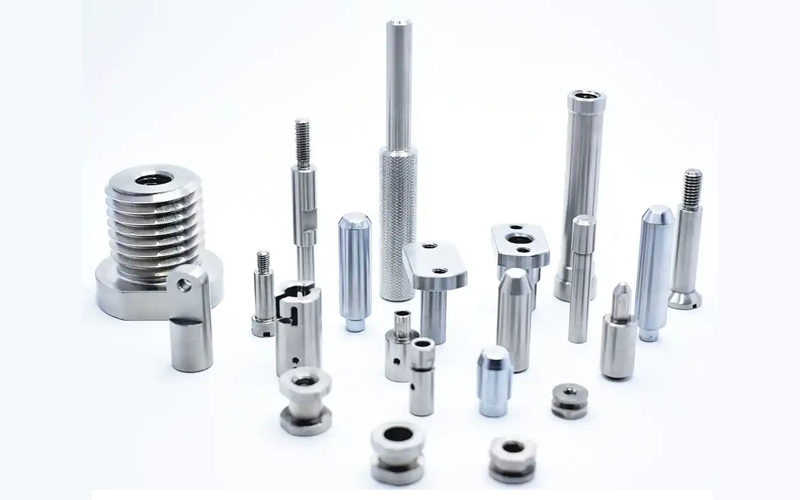
Why Accurate Measurement Is Critical in CNC Turning
In the CNC turning industry, precision is everything. Whether you are producing automotive components, machinery parts, or custom stainless steel and high-hardness carbon steel parts, the accuracy of your measurement directly affects the final quality. Improper measurements can lead to tool breakage, defective parts, and increased material waste, especially when working with HRC high-hardness steel or stainless steel, which is prone to tool chipping and wear.
Accurate measurement ensures that parts meet exact dimensional tolerances, maintain surface finish quality, and comply with customer requirements. In CNC turning services, controlling dimensions is more critical than production volume, since tolerances dictate whether a part passes inspection or not.
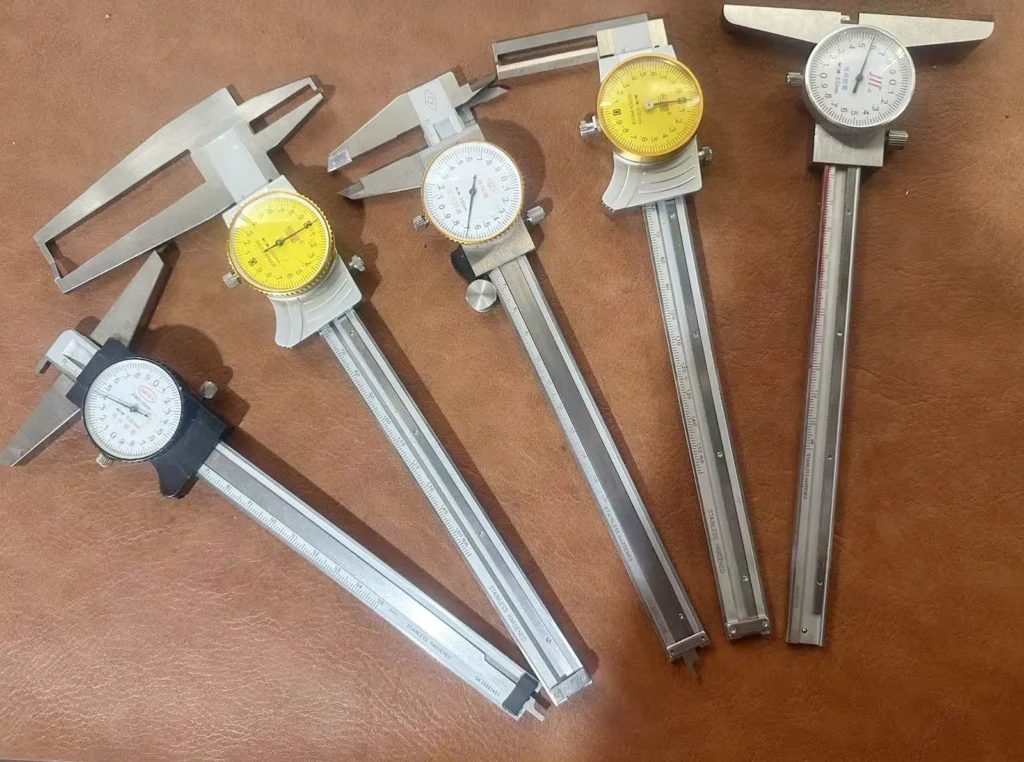
Basic Measuring Tools for CNC Turning Parts
Even without advanced equipment like a CMM, CNC turning shops can achieve high accuracy using fundamental tools:
| Tool | Use Case | Typical Precision |
|---|---|---|
| Vernier Calipers | Quick measurement of external, internal dimensions | ±0.02 mm |
| Outside Micrometer | Measuring external diameters | ±0.01 mm |
| Inside Micrometer | Measuring internal diameters | ±0.01 mm |
| Height Gauge | Checking part height or step dimensions | ±0.02 mm |
| Dial Indicator | Detecting runout or alignment errors | ±0.01 mm |
These tools are reliable, cost-effective, and essential for day-to-day CNC turning inspection. For high-hardness or stainless steel parts, frequent checks with micrometers and calipers help detect minor deviations before they lead to tool damage or scrap parts.
Advanced Inspection Equipment for High-Precision CNC Turning
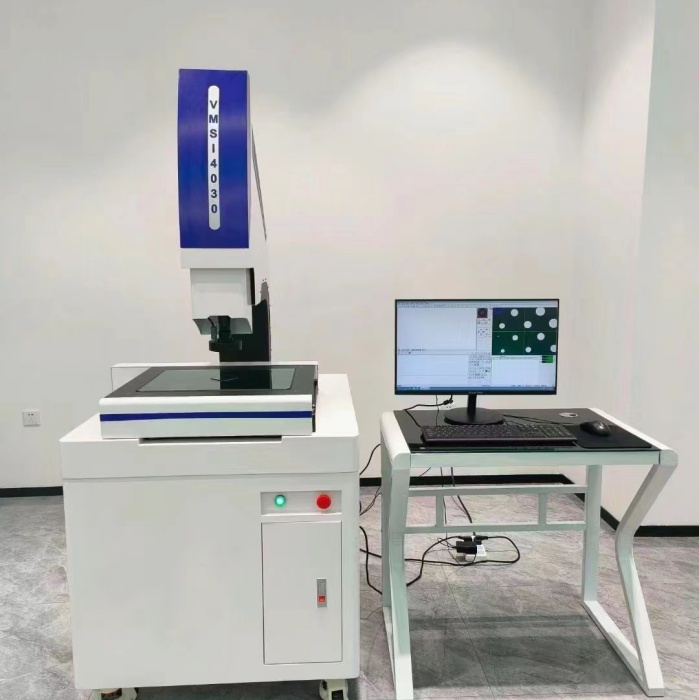
Even though our factory does not have a Coordinate Measuring Machine (CMM), we utilize several advanced inspection tools to ensure exceptional measurement accuracy and quality control in CNC turning operations:
1. Optical Projector (Profile Projector)
An optical projector magnifies the image of a workpiece onto a screen, allowing precise dimensional verification. This tool is particularly effective for inspecting complex profiles, intricate shapes, or small components where traditional calipers or micrometers cannot provide accurate measurements. By using an optical projector, we can quickly detect deviations in contours, angles, or key features without physically touching the part, reducing the risk of measurement errors or surface damage.
2. Surface Roughness Tester
Surface finish is critical for both aesthetic and functional performance. Our surface roughness tester accurately measures parameters such as Ra, Rz, and Rt to ensure parts meet strict surface quality requirements. This is especially important for components that require smooth sliding contact, proper sealing, or reduced friction in assembly. Maintaining tight surface tolerances helps prevent premature wear, leakage, or noise in mechanical systems.
3. Digital Dial Indicator
Digital dial indicators are essential for checking runout, taper, parallelism, and alignment of shafts, holes, and mating surfaces. They provide highly precise measurements of deviations in microns, which is crucial when machining hard materials like HRC steel or stainless steel that are prone to vibration-induced errors. Using a digital dial indicator allows us to detect subtle inconsistencies early, ensuring consistent part quality and reducing the risk of assembly issues.
By combining these advanced inspection tools with experienced machinists’ expertise, we can achieve high-precision CNC turning results, even for challenging materials and complex geometries. This approach ensures that every component meets exact specifications, minimizing defects and maximizing performance.
Measurement Errors and How to Avoid Them
Even the best tools can produce inaccurate results if not used correctly. Common sources of measurement errors include:
- Thermal Expansion – Parts and tools expand with heat. Always measure at room temperature.
- Tool Wear – Worn micrometers or indicators reduce accuracy. Inspect tools regularly.
- Operator Errors – Misalignment or incorrect reading can lead to false results.
- Material Hardness – HRC high steel can deflect or damage measuring probes, affecting readings.
How to avoid errors:
- Calibrate tools frequently (see next section).
- Train operators on proper measurement techniques.
- Use consistent measurement positions and orientations.
- For stainless steel and hard carbon steel, minimize excessive contact pressure to avoid tool deflection.
Calibration and Equipment Maintenance
Regular calibration is essential to maintain measurement consistency and ensure parts meet tight dimensional tolerances. For CNC turning operations, especially when machining high-hardness carbon steel (HRC) and stainless steel, frequent tool verification prevents defects and reduces scrap.
| Tool | Calibration Interval | Notes |
|---|---|---|
| Vernier Calipers | Every 1–3 days | Check jaws and zero setting before production runs |
| Micrometers | Every 1–3 days | Verify with gauge blocks to ensure accuracy |
| Dial Indicators | Every 1–3 days | Ensure smooth operation and correct zeroing |
| Optical Projector | Every 6 months | Verify lens magnification and stage movement |
Maintenance Tips:
- Keep all tools clean and free from chips or coolant.
- Store precision tools in protective cases to prevent damage.
- Inspect for wear, rust, or misalignment regularly.
- For high-hardness and stainless steel parts, handle measuring tools carefully to avoid deflection and inaccurate readings.
Pro Tip: In high-precision CNC turning operations, calibrating basic measuring tools daily or before each critical batch ensures consistent quality, especially for materials that are prone to tool wear or part deformation.
Conclusion: You Can’t Control What You Can’t Measure
In CNC turning, precise measurement is the foundation of quality control. Without reliable tools and proper inspection techniques, even the most advanced CNC machines cannot guarantee part accuracy. For online CNC parts and CNC turning services, combining fundamental measuring tools with targeted advanced equipment like optical projectors and roughness testers ensures high-quality results—even for challenging materials like HRC high-carbon steel or stainless steel.
Remember: accuracy comes from consistent measurement practices, tool maintenance, and proper operator training. Control your measurements, and you control your quality.
FAQ
Q1: Which measuring tool is best for stainless steel parts with tight tolerances?
A: Use micrometers for diameters and an optical projector for complex profiles to ensure high accuracy.
Q2: Can high-hardness steel be measured with calipers alone?
A: Yes, but micrometers or optical devices are recommended to reduce deflection and improve precision.
Q3: How often should measuring tools be calibrated in a CNC shop?
A: Vernier calipers, micrometers, and dial indicators should be checked every 1–3 days, while optical projectors require calibration every 6 months.