As a professional pipe fitting factory rooted in the heart of China’s industrial supply chain for over 8 years, we understand that for an overseas procurement manager, Q235 carbon steel is both a blessing and a challenge. It is the backbone of structural components due to its excellent weldability and cost-efficiency, yet its susceptibility to oxidation (rust) and the nuances of grain structure during forging require a manufacturer who knows more than just how to run a CNC machine.
In this guide, we break down how our facility manages Q235 raw materials, forging, and specialized surface treatments to deliver high-precision fittings that meet international standards.
1. Q235 Raw Material Integrity: Why We Source from Baosteel and Ansteel
The quality of a carbon steel fitting is decided long before the first chip is cut. We strictly source our Q235 bars, tubes, and billets from Tier-1 mills like Baosteel, Ansteel, and Hangsteel.
Many small workshops use “Scrap-Recycled Steel,” which leads to hard spots that snap drills and inconsistent threads. By using prime-grade materials, we ensure:
-
Predictable Machinability: Consistent hardness levels across the entire batch.
-
Certified Traceability: We provide full Material Test Reports (MTR) and can perform PMI (Positive Material Identification) via spectrometer testing upon request to verify chemical heat numbers.
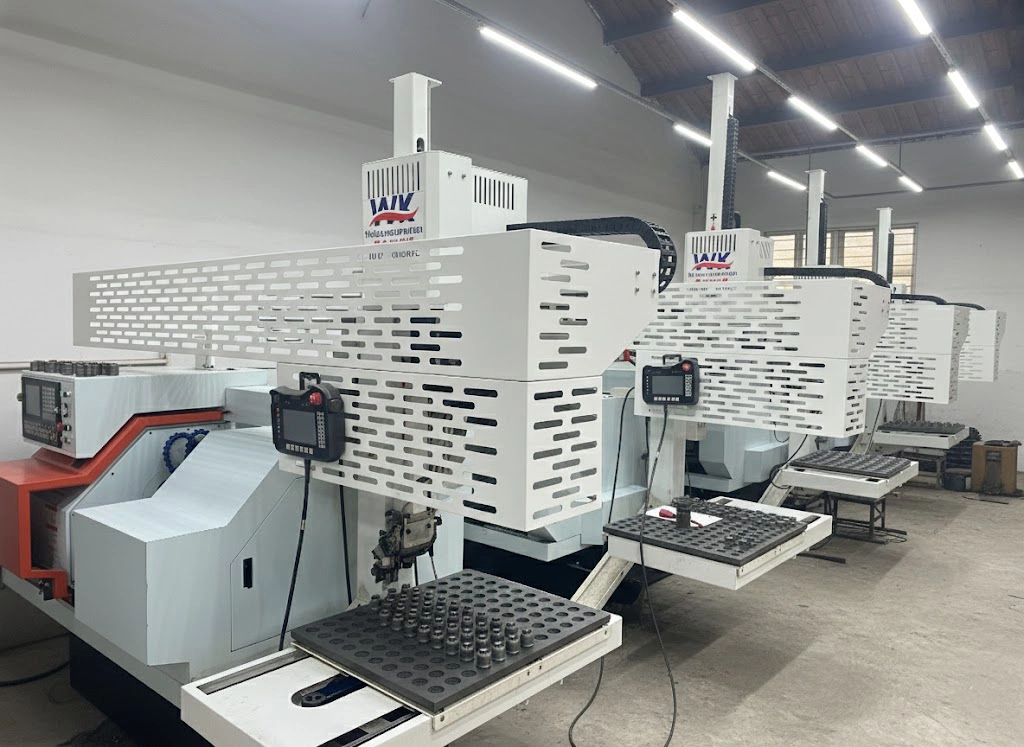
2. Q235 Advanced Forming: Cold Forging vs. Hot Forging
Depending on your mechanical requirements and volume, we offer diverse forming shapes:
-
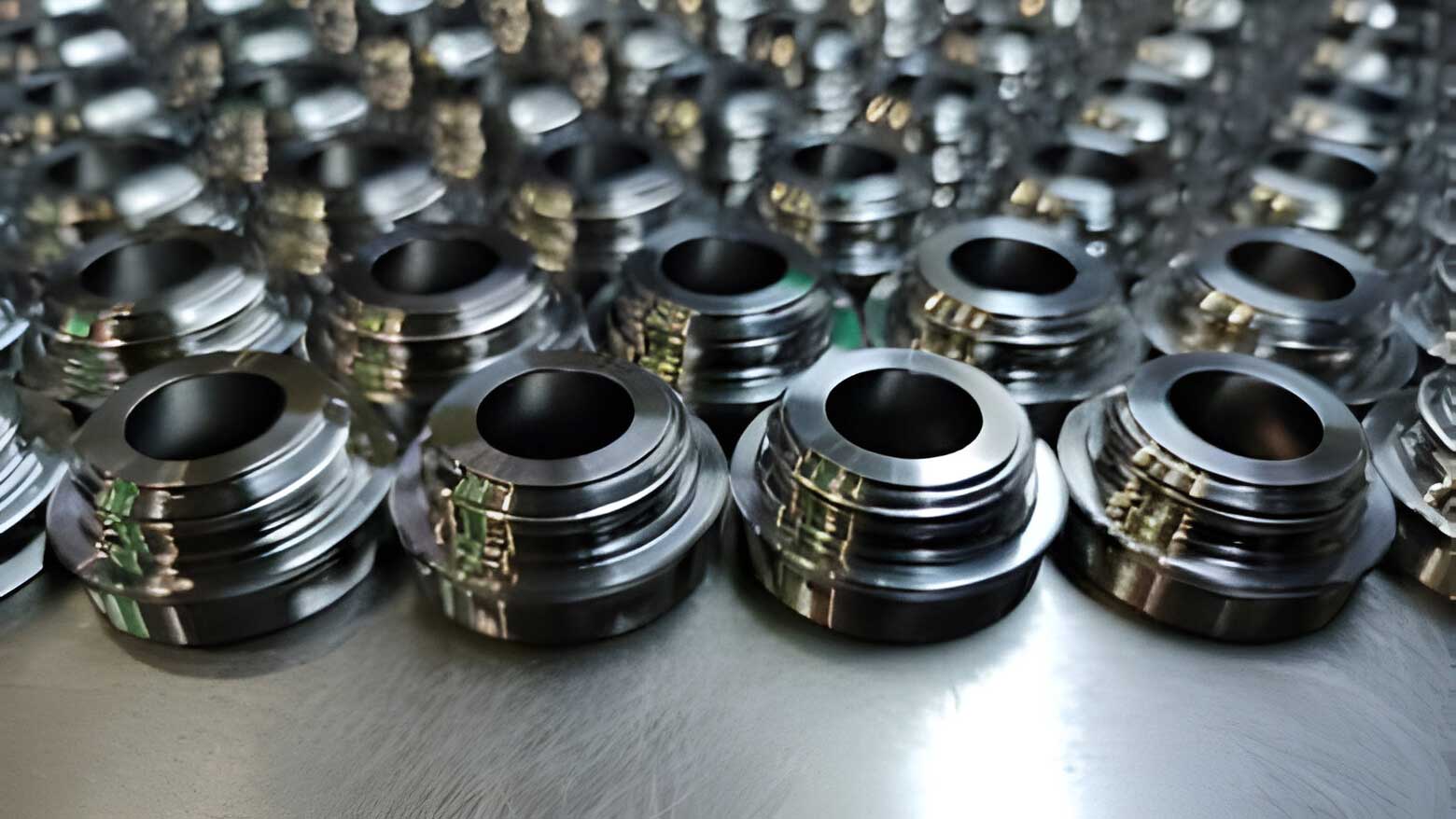
Cold Forging Parts: Ideal for high-volume fasteners and small fittings. It increases the strength of Q235 through work hardening and provides a superior surface finish.
-
Hot Forging Parts: For complex geometries or larger industrial fittings where internal stress must be minimized.
-
Bar & Tube Machining: For high-precision NPT/BSP threaded connectors where dimensional stability is paramount.
3. Q235 Precision CNC Machinery & Thread Expertise
A fitting is only as good as its seal. Our team of veteran operators (all with 8+ years of experience) specializes in the complex world of international thread standards. We don’t just “cut threads”; we understand the pitch, flank angle, and taper requirements for:
-
UNF (North American Standard)
-
BSPP/BSPT (British Standard)
-
Metric (ISO Standard)
- NPT/NPTF
Factory Insight on Rust: We are often asked about surface rust on raw Q235. In our shop, we maintain a 1mm machining allowance on raw stock. This ensures that any superficial oxidation on the raw bar or forging is completely removed during the CNC turning process, leaving a pristine, precision-engineered surface.
4. Q235 Specialized Surface Treatments: Solving the Q235 Rust Problem
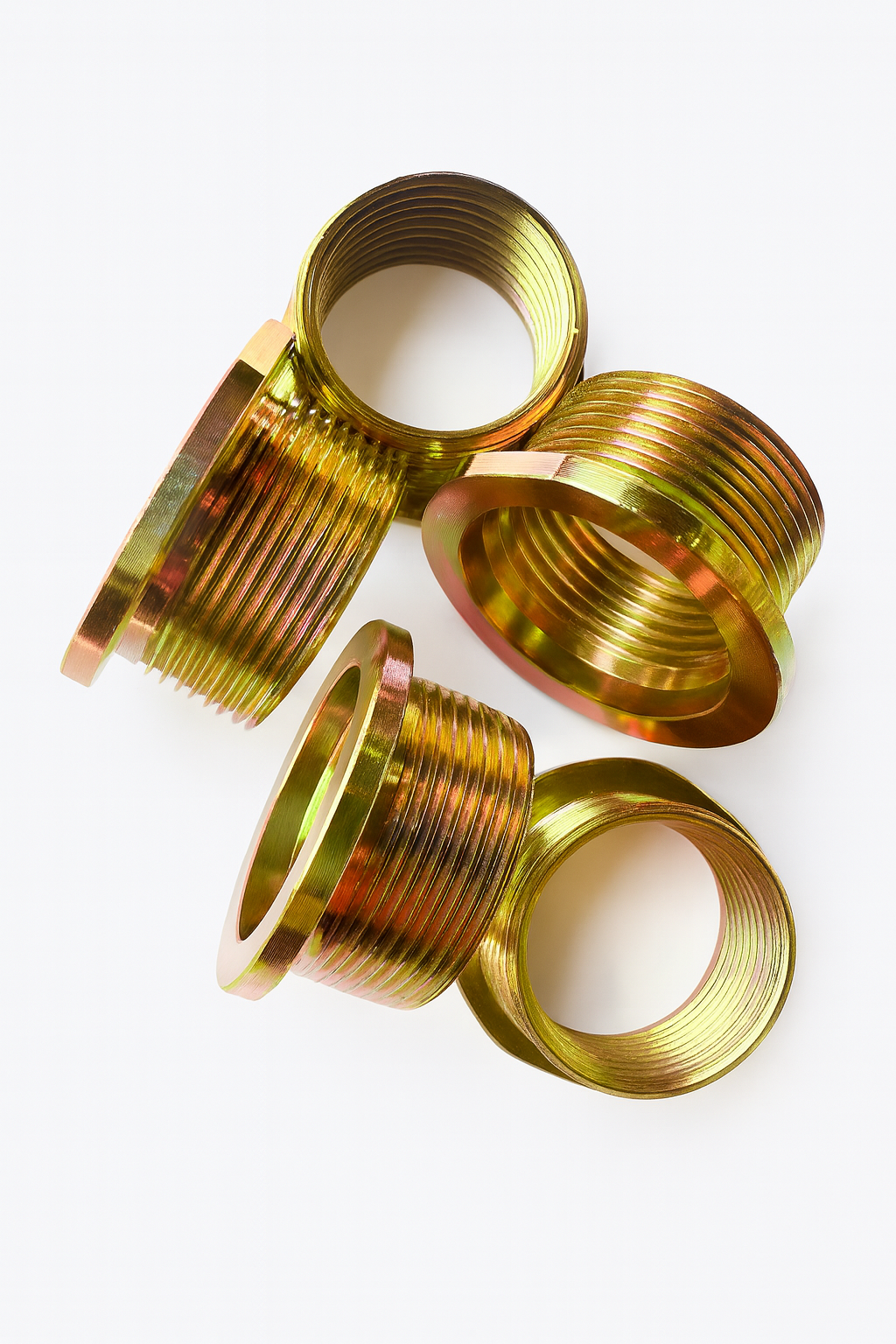
While Q235 is prone to rust, our expertise in surface chemistry allows us to exceed industry expectations.
The Electroless Nickel (ENP) Breakthrough
Standard Electroless Nickel typically fails a Salt Spray Test (SST) within 8 hours. However, we have successfully delivered products to Australian clients that passed a 48-hour Salt Spray Test.
-
The Secret: By combining high-phosphorus chemical nickel with professional-grade anti-rust oils imported from overseas, we provide a dual-layer defense that maintains wear resistance while significantly boosting corrosion protection.
Comparison of Surface Treatments for Q235 Steel
| Treatment Type | Corrosion Resistance (SST) | Best Use Case |
| Zinc Plating (Blue/White/Yellow) | 24 – 72 Hours | General hardware, indoor fittings. |
| Chrome Plating | High | Decorative, high hardness requirements. |
| Electroless Nickel (ENP) | 8 – 48 Hours* | Precision parts, wear resistance needed. |
| Electrophoresis (E-Coating) | Excellent | Automotive and complex structural frames. |
| Black Oxide / Phosphating | Low | Tooling, parts requiring oil-retention. |
| Heat Treatment (Quenching) | N/A | Adjusting hardness for medium carbon steel. |
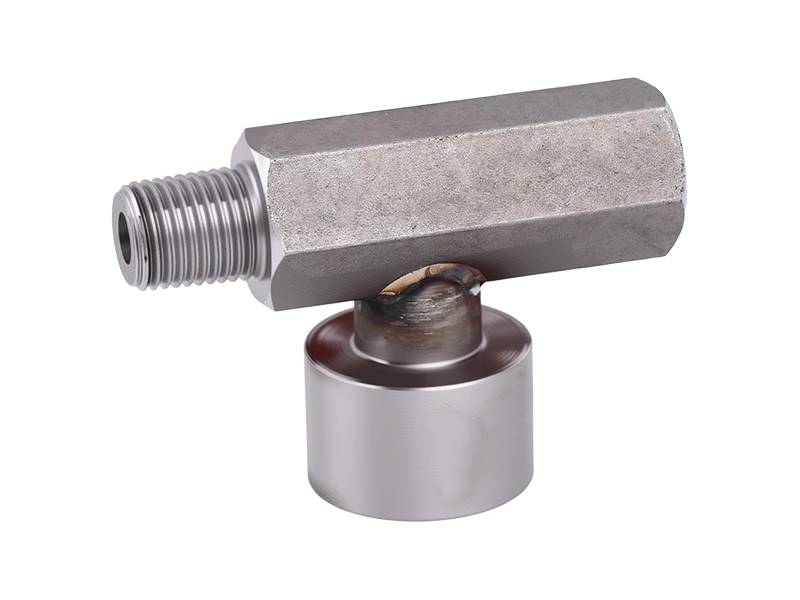
5. Why Partner with Our Factory?
-
High-Skilled Workforce: Our workers are not just button-pushers; they are experienced technicians who understand how Q235 reacts to heat and tool pressure.
-
Integrated Supply Chain: From raw material sourcing to Hot Red Punching (Red Forging), Cold Upsetting, and final Logistics—we handle everything in-house or within our immediate industrial cluster.
-
Customization at Scale: Whether it is laser cutting a custom bracket, welding a heavy-duty assembly, or stamping thousands of washers, we adapt to your drawings.
FAQ: Sourcing Q235 Carbon Steel Fittings
Q: Can Q235 be hardened via heat treatment?
A: Q235 is a low-carbon steel (C :approx 0.14-0.22%). While it doesn’t respond to traditional quenching like 45# (1045) steel, we can perform carburizing or provide “Tempering/Quenching” adjustments if you upgrade to a medium carbon steel to meet specific HRC requirements.
Q: How do you handle the logistics for heavy steel fittings?
A: We provide sea-freight optimized packaging, using VCI (Volatile Corrosion Inhibitor) bags and fumigated wooden crates to ensure your carbon steel arrives in Australia, Europe, or the USA without a speck of rust.
Q: Do you support small-batch custom machining?
A: Yes. Because we carry a massive inventory of raw Q235 bars and tubes, we can offer faster lead times (often 1 week faster than competitors) for custom CNC runs. Moq is 2000pcs .
Ready to optimize your supply chain with a reliable Q235 manufacturer?
[Contact our Engineering Team today for a DFM Analysis and Quote]