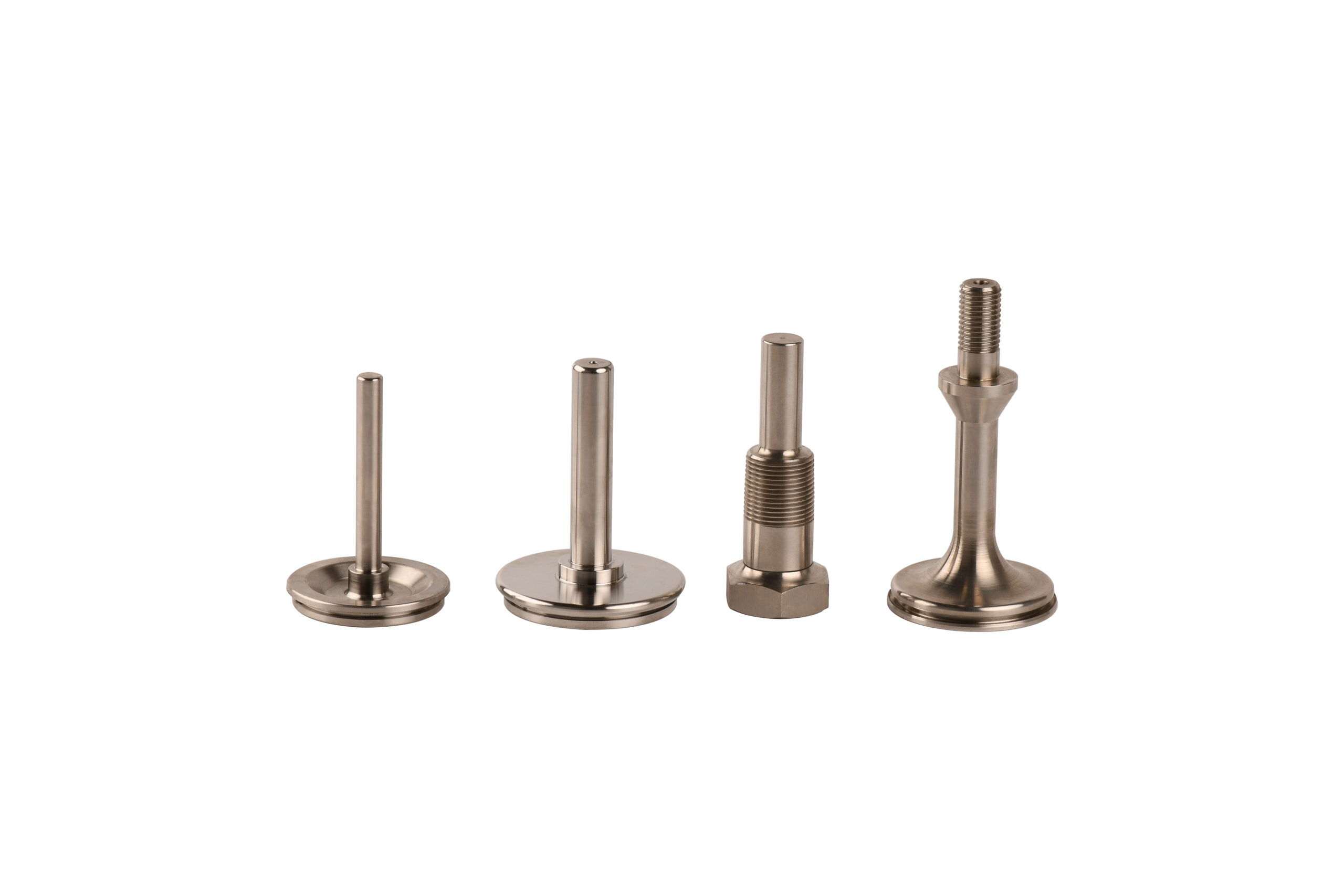
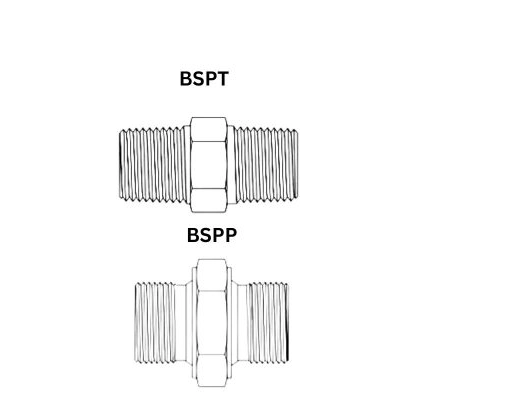
Rust has a nasty habit of showing up uninvited—creeping into housings, chewing at bearings, and quietly wrecking production schedules. That’s why stainless steel parts aren’t just a line item on a purchase order; they’re insurance for your uptime. Go cheap, and it’s like putting dollar-store brakes on a freight train. Sooner or later, something gives—and it’s usually your deadline.
On the shop floor, corrosion doesn’t bang pots and pans. It whispers. A little pitting here. A hairline crack there. Then one morning, the CNC stalls and everyone’s scrambling. According to a 2024 NACE corrosion impact study, corrosion costs industries hundreds of billions annually in maintenance and downtime. As a senior engineer at Yuuhuan Hongqian put it in 2025, “Material choice decides machine fate.” Short sentence. Big truth.
This isn’t about shiny metal. It’s about keeping your line humming, your margins intact, and your team out of crisis mode.
Costly Downtime? Upgrade To Quality Steel Parts
Downtime on a CNC line isn’t just annoying—it burns cash fast. One failed spindle or rusty bracket can stall production for hours. Choosing better stainless steel parts isn’t hype; it’s a practical fix that keeps machines steady and operators sane.
Root Causes of Unplanned CNC Downtime
Unplanned stops usually trace back to layered technical issues, not bad luck.
- Mechanical and Operational Triggers
1.1 Core Equipment Failures
- Machine Malfunction often begins with unnoticed vibration in aging stainless components.
- Tool Wear increases cutting force, stressing nearby stainless steel parts and fasteners.
1.2 Human and Material Factors
- Operator Error in setup can misalign guideways and overload steel parts.
- Material Defects in cast housings accelerate crack growth.
- System-Level Disruptions
2.1 Infrastructure Gaps
- Power Outages interrupt lubrication cycles, causing scoring on stainless steel surfaces.
2.2 Service Gaps
- Maintenance Issues like skipped inspections allow corrosion to creep into structural stainless components.
According to Deloitte’s 2024 manufacturing outlook, unplanned downtime can cost industrial manufacturers thousands of dollars per hour, with maintenance strategy cited as a top risk factor.
When shops upgrade to precision stainless steel parts from brands like yuuhuan hongqian, root causes tied to corrosion and misalignment shrink noticeably. Good steel parts hold tolerance longer. That stability matters.
How Inferior Parts Accelerate System Failures
Low-grade alloys create a domino effect across motion systems.
- Material Breakdown Chain
1.1 Surface-Level Damage
- Material Degradation starts as pitting on untreated steel parts.
- Rising Corrosion Susceptibility weakens bolted joints.
1.2 Internal Stress Growth
- Component Fatigue spreads from micro-cracks.
- Increased Friction elevates spindle temperature.
1.3 Accuracy Loss
- Dimensional Inaccuracy throws off calibration.
- Overall Reduced Performance hits feed rate and finish.
To put numbers on it:
| Factor | Low-Grade Alloy | Premium Stainless Steel Parts | Failure Risk (12 mo) |
|---|---|---|---|
| Corrosion Rate (mm/year) | 0.12 | 0.03 | High vs Low |
| Vibration Increase (%) | 18% | 5% | Elevated vs Stable |
| Avg. Service Interval (hrs) | 1,200 | 3,000 | Short vs Extended |
| Dimensional Drift (µm) | 45 | 12 | Severe vs Minimal |
Cheap stainless parts may look similar on day one. Six months later, the difference shows up in scrap rates and emergency repairs.
ROI Benefits of Quality Stainless Steel Components
Switching to high-grade stainless steel parts is less about price tags and more about math that works.
- Direct Operational Gains
1.1 Asset Durability
- Extended Equipment Lifespan reduces capital replacement cycles.
- Strong Corrosion Resistance keeps coolant-heavy zones intact.
1.2 Cost Control
- Reduced Maintenance Costs from fewer emergency callouts.
- Minimized Downtime keeps shifts productive.
- Performance and Output
2.1 Shop Floor Efficiency
- Improved Operational Efficiency through stable alignment of stainless components.
2.2 Product Results
- Enhanced Product Quality thanks to consistent tolerance control.
The 2025 McKinsey Global Manufacturing Report notes that plants investing in higher-grade materials and predictive maintenance see up to 20% improvement in equipment availability.
That’s real money.
yuuhuan hongqian supplies stainless steel parts engineered for tight tolerances and long service intervals. Shops using their stainless steel components often report smoother spindle motion and fewer surprise shutdowns.
In the end, solid steel parts aren’t flashy. But when your line keeps running while others scramble for repairs, the payoff of quality stainless steel parts becomes crystal clear.
Types Of Corrosion Affecting CNC Components
CNC equipment runs hard, and corrosion quietly chips away at performance. For stainless steel parts, even small surface damage can grow fast in tough shops. From moisture to chemical splash, corrosion risks are real. Let’s break down what threatens stainless steel components and how smart machining, like that from yuuhuan hongqian, keeps trouble in check.
Pitting Corrosion
When stainless steel parts face chloride ions, trouble often starts small.
- Root Causes
- Breakdown of passive film on stainless steel
- Hidden surface defects
- High salinity coolants
- How It Progresses
- a) Localized attack forms
- b) Tiny cavities grow into small pits
- c) Rapid penetration weakens load zones
- Why It’s Dangerous
- Hard to detect
- Reduces cross‑section strength
- Impacts precision stainless components
For CNC shafts and fittings, even a pin-sized cavity can scrap the whole batch of stainless steel parts.
Crevice Corrosion
This one hides in tight gaps and shielded areas.
- Typical Locations
- Under gaskets
- Around fasteners
- Between clamped stainless steel parts
- Inside the Crevice
- i. Stagnant solutions collect
- ii. Oxygen drops
- iii. Concentration cells form
- Result
- Accelerated metal degradation
Shops using high-grade stainless steel components reduce risk by improving drainage and surface finish quality—something yuuhuan hongqian pays close attention to during finishing.
Galvanic Corrosion
When dissimilar metals connect inside an electrolyte, corrosion turns electrical.
- Electrochemical Setup
- Anodic metal (less noble)
- Cathodic metal (more noble)
- Difference in electrochemical potential
- At the Contact Point
- a. Bimetallic contact
- b. Current flows
- c. Increased corrosion rate on the anodic side
Mixing carbon steel brackets with stainless steel parts in wet conditions? That’s asking for it.
Stress Corrosion Cracking
This one feels unfair. No big warning signs.
- Conditions Required
- Sustained tensile stress
- Specific alloys
- Harsh corrosive environment
- Failure Pattern
- i. Micro cracking
- ii. Sudden brittle fracture
- iii. Hidden material fatigue
“Advanced alloys remain vulnerable to stress corrosion in chloride-rich industrial settings, especially under cyclic loads,” notes a 2025 materials durability review published by NACE International.
For high-load stainless steel parts, controlling machining stress and operating conditions matters. That’s why yuuhuan hongqian focuses on alloy selection and precision processing, helping stainless steel parts stay solid even when the job gets rough.
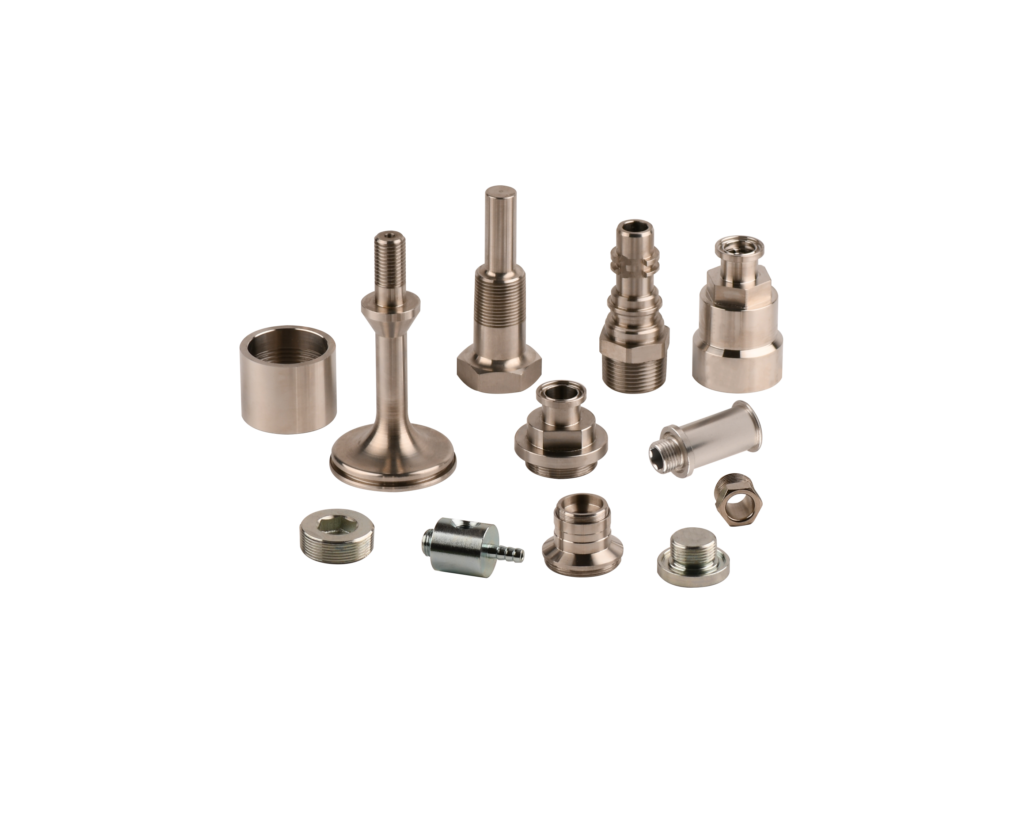
Which Alloy Best Stops Rust Formation?
Rust is a pain, especially when stainless steel parts sit in damp air or salty shops. Picking the right steel alloy keeps stainless steel parts, steel parts, and precision parts looking sharp and lasting longer. Let’s break down what works best for stainless steel components in real life.
304 Stainless Steel
When choosing stainless steel parts for indoor use, 304 Stainless Steel often makes solid sense.
- Core composition
- Austenitic structure keeps it non-magnetic and stable.
- High Chromium builds a passive layer against oxidation.
- Balanced Nickel content improves toughness.
- Performance focus
- Strong Corrosion resistance in dry or mildly humid air.
- Reliable for General purpose machining.
- Widely accepted as Food grade material.
- Best-fit scenarios
- CNC housings
- Equipment covers
- Decorative stainless steel parts indoors
For shops producing stainless steel parts at scale, 304 keeps costs in check while still protecting steel parts from everyday rust.
316L Stainless Steel
If chloride is around, step up to 316L Stainless Steel.
It adds Molybdenum, boosting Enhanced corrosion resistance where salt and chemicals hang in the air. That’s why marine hardware, pumps, and coastal stainless steel parts rely on it.
Quick reasons buyers switch to 316L stainless steel parts:
- Better survival in Marine environments
- Improved Chemical resistance
- Reduced carbide precipitation thanks to Low carbon
Many stainless steel components for food processing or medical gear choose 316L. Brands like yuuhuan hongqian machine stainless steel parts in 316L when customers need long-term reliability in wet or chemical-heavy spaces.
Duplex Stainless Steel
For high-stress stainless steel parts, Duplex Stainless Steel raises the bar.
- Microstructure advantage
- Blend of Austenitic and Ferritic phases
- True Dual phase balance
- Mechanical edge
- Noticeably High strength
- Strong Pitting resistance
- Excellent Stress corrosion cracking resistance
- Ideal applications
- Pressure valves
- Offshore brackets
- Heavy-duty stainless steel parts under load
When strength and rust control must work together, duplex steel parts deliver serious staying power. Suppliers like yuuhuan hongqian often recommend it for demanding stainless steel components that can’t afford failure.
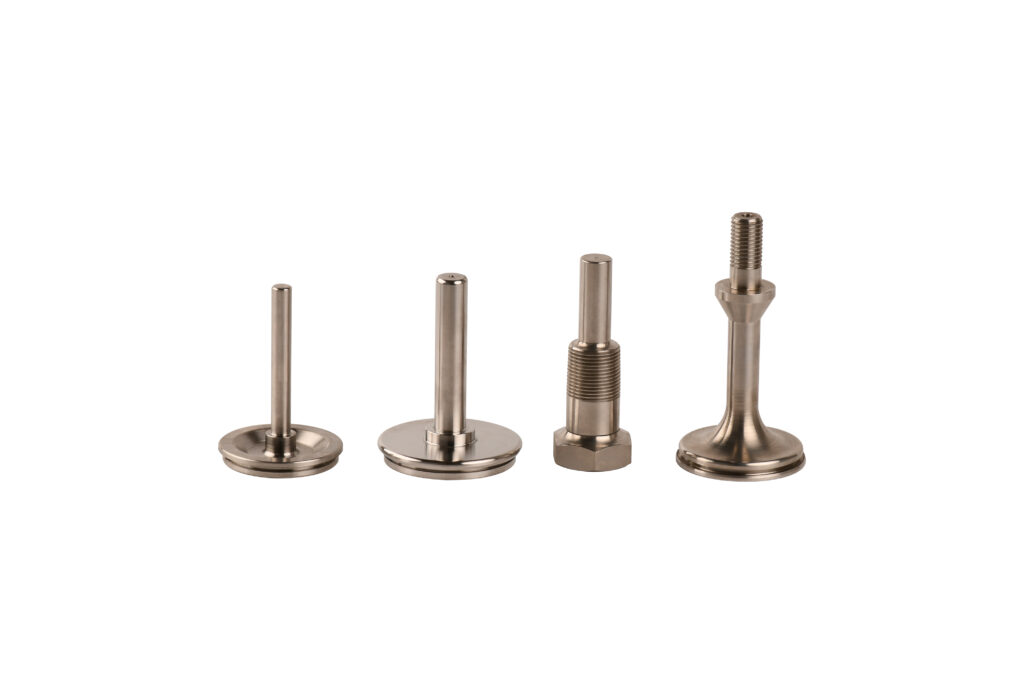
5 Steps To Inspect Parts For Rust
Rust can sneak up on stainless steel parts if inspection is sloppy. Even high-grade steel components need regular checks to protect surface quality and structural life. This guide walks through practical ways to evaluate stainless steel parts, steel parts, and precision components so your metal parts stay clean, compliant, and ready for real-world use.
Step 1: Visual Surface Examination
When checking stainless steel parts, surface inspection sets the tone.
- Scan for surface defects, uneven surface finish, or dull spots.
- Watch for discoloration, early corrosion signs, and heat tint near welds.
- Look closely at pitting, hairline cracks, and edge breakdown.
Now go deeper:
- Surface Condition Review
- A. Lighting Check
- Use angled light to reveal micro pitting.
- Rotate the steel part slowly.
- B. Weld Area Focus
- Inspect weld seams for discoloration.
- Confirm no flaking or scaling.
- A. Lighting Check
Short rule? If it looks off, it probably is. Many stainless steel parts fail early due to ignored visual cues.
Step 2: Magnet Test for Composition
Not all stainless steel parts react the same way to magnets.
- Identify magnetic properties
- Ferritic grades attract magnets.
- Austenitic types are typically non-magnetic.
- Verify material grade compliance
- A. Light magnet contact
- B. Compare pull strength
- C. Cross-check documentation
If a part labeled as austenitic stainless steel strongly attracts a magnet, the alloy composition may not match the spec. For buyers sourcing stainless steel parts, this quick test avoids costly mix-ups.
Step 3: Ultrasonic Thickness Measurement
Hidden corrosion inside stainless steel parts can weaken walls long before visible rust shows.
| Component ID | Nominal Material Thickness (mm) | Measured Remaining Thickness (mm) | Wall Thinning (%) | Integrity Status |
|---|---|---|---|---|
| SP-101 | 5.0 | 4.8 | 4% | Safe |
| SP-102 | 4.0 | 3.5 | 12.5% | Monitor |
| SP-103 | 6.0 | 5.1 | 15% | Inspect Further |
| SP-104 | 3.0 | 2.4 | 20% | Critical |
| SP-105 | 8.0 | 7.6 | 5% | Safe |
Testing process:
- Calibrate device for correct material thickness.
- Scan multiple points to detect corrosion depth.
- Compare remaining thickness with design limits.
This non-invasive non-destructive testing method protects the structural integrity of steel components without dismantling assemblies.
Step 4: Salt Spray Exposure Test
To evaluate long-term corrosion resistance, controlled testing matters.
Testing breakdown:
- Exposure Setup
- Prepare 5% saline solution.
- Maintain stable chamber temperature.
- Monitoring Phase
- Check every 24 hours for rust formation.
- Assess coating blistering.
- Evaluation
- Measure hours to visible corrosion.
- Rate protective performance.
This salt fog test simulates harsh environmental exposure, pushing stainless steel parts and protective coatings to their limits. It’s especially useful for export-grade metal parts used in marine or humid conditions.
Step 5: Documentation & Maintenance Scheduling
Inspection without records? That’s just guesswork.
Create a system:
- Maintain detailed inspection records
- Date
- Inspector
- Findings
- Update maintenance logs
- Track part lifespan
- Note corrosion patterns
- Set a replacement schedule tied to wear data.
A smart corrosion prevention plan turns small issues into manageable tasks instead of expensive shutdowns.
Manufacturers like yuuhuan hongqian apply strict tracking systems for stainless steel parts, ensuring every steel part meets durability standards. By combining inspection discipline with preventive maintenance, suppliers such as yuuhuan hongqian help extend the service life of stainless steel components across industrial applications.
Stainless Steel Parts Vs. Cast Iron: What Wins?
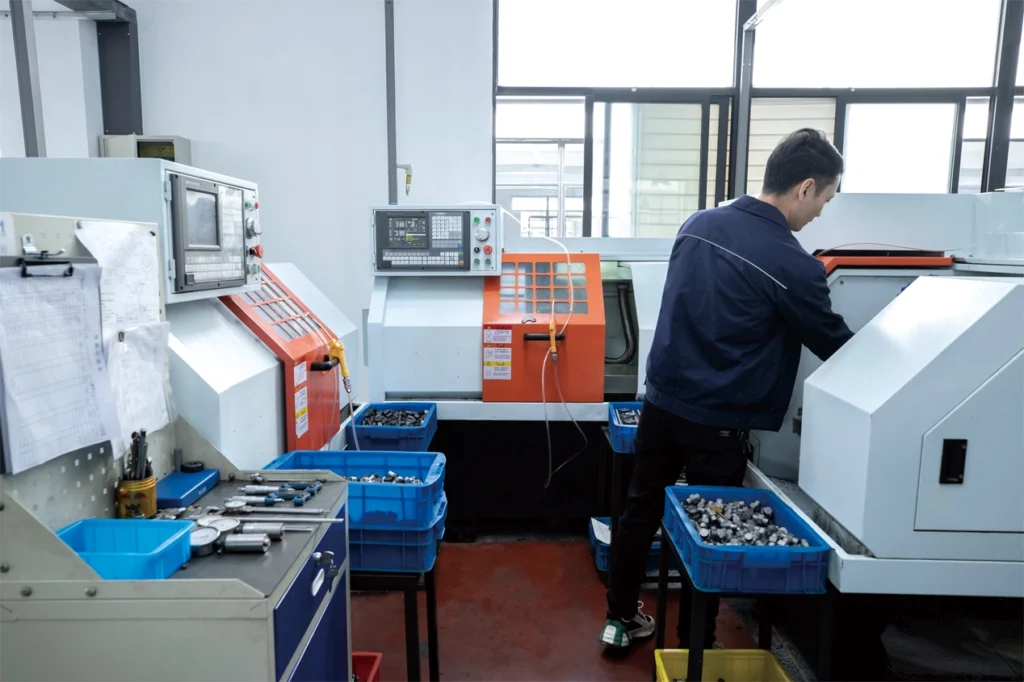
In real-world machining shops, the debate around stainless steel parts and cast iron never really cools down. From wet CNC floors to high-load frames, material choice shapes lifespan, cost, and maintenance headaches. Here’s a straight-talking breakdown of how stainless steel parts, steel parts, and iron castings stack up.
Stainless Steel Parts
When it comes to stainless steel parts, performance usually comes down to three core strengths:
- Corrosion Resistance in Harsh CNC Environments
- Surface Layer Protection
- The built-in chromium film shields stainless components from coolant splash and humidity.
- Ideal for wet workshops and food-grade lines.
- Reduced Maintenance
- No constant repainting.
- Fewer shutdowns due to rust damage.
- Surface Layer Protection
- Hygienic and Clean Surface Behavior
- Smooth Finish Options
- Polished stainless steel parts resist bacterial buildup.
- Easier wash-down in medical and packaging systems.
- Material Stability
- Steel parts maintain structure even after repeated cleaning cycles.
- Smooth Finish Options
- Extended Service Life and Brand Reliability
- Durability Under Load
- Stainless machining parts handle pressure without flaking or scaling.
- Long-Term Value
- Higher upfront cost, yet fewer replacements.
- Brands like yuuhuan hongqian focus on precision stainless steel components that last.
- Durability Under Load
In busy factories, stainless steel parts simply stay sharp-looking and functional longer.
Cast Iron Parts
Cast iron still earns respect, mainly for structural applications:
- Vibration Damping Capacity
- Machine Base Stability
- Iron castings absorb cutting vibration well.
- CNC accuracy improves in heavy milling setups.
- Machine Base Stability
- Cost Efficiency in Bulk Production
- Lower Raw Material Expense
- Budget-friendly for large frames.
- Easy Casting Process
- Suitable for complex shapes.
- Lower Raw Material Expense
- Rust Vulnerability and Protection Needs
- Surface Risk
- Without coating, oxidation appears fast.
- Extra Maintenance
- Painting or oiling becomes routine.
- Surface Risk
For buyers comparing stainless steel parts with cast iron, the real win depends on environment. In wet or hygiene-driven industries, stainless steel parts often outperform. For static, vibration-heavy bases, cast iron still holds its ground. Smart sourcing from yuuhuan hongqian makes the call a lot easier.
Stainless Parts In Saltwater Environments
Saltwater can be brutal on stainless steel parts. Boats, docks, and coastal equipment rely on stainless steel components every day, yet chloride-rich air keeps testing their limits. Understanding how stainless steel parts, steel parts, and precision metal parts behave near the ocean helps extend service life and avoid costly surprises.
Effects of Chloride on Stainless Steel
In marine air, chloride ions attack the surface of stainless steel parts by breaking down the passivation layer. Once that shield weakens, trouble starts.
- Surface Breakdown
- Increased electrochemical potential differences
- Localized pitting corrosion on exposed areas
- Hidden Risk Zones
- Under gaskets → crevice corrosion
- High tensile areas → stress corrosion cracking
- Material Sensitivity
- Lower alloy stainless steel grades corrode faster
- High-molybdenum alloys resist chloride better
Even marine grade stainless steel parts can fail if salt deposits sit too long. That’s why quality manufacturing from brands like yuuhuan hongqian focuses on tight surface control and stable alloy balance.
Protective Coatings and Grade Selection
Choosing the right stainless steel alloys is half the battle.
- 316L for improved corrosion resistance
- Duplex stainless steel for higher strength and chloride tolerance
- Specialized surface treatments to reinforce the passive film
Quick comparison mindset:
1) Basic coastal use → 316L
2) Splash zone → duplex
3) Heavy salt spray → duplex + coating
A smooth finish supports a stable passivation layer. Yuuhuan hongqian manufactures stainless steel parts and stainless components with controlled polishing to reduce initiation points for pitting corrosion.
Best Maintenance Practices to Prevent Pitting
Keeping stainless steel parts in good shape near saltwater calls for steady habits.
- Routine Care
- Freshwater rinsing for desalination
- Scheduled inspection of joints
- Surface Management
- Light surface polishing to remove deposits
- Monitoring environmental factors like humidity traps
- Preventative System
- Planned regular cleaning cycles
- Documented preventative maintenance logs
- Early repair of coating damage
Salt never sleeps. With disciplined upkeep and reliable stainless steel parts from yuuhuan hongqian, marine hardware stays sharp, strong, and ready for the long haul.
FAQs about Stainless Steel Parts
Why do CNC machines experience unplanned downtime?
Downtime rarely comes without warning. It builds quietly:
- Bearing wear creates vibration and heat.
- Misalignment strains the spindle.
- Corrosion eats at contact surfaces.
- Missed maintenance turns small faults into shutdowns.
In extreme cases, machine control systems even throw errors—much like an “Undefined array key ‘candidates’” warning—signaling that something critical has failed beneath the surface. Stainless steel parts reduce this risk by resisting rust and keeping motion stable under daily stress.
How do inferior parts increase failure risks?
Low-quality materials look acceptable at installation, but trouble grows fast.
- Poor alloy composition → micro‑cracks under load.
- Loose tolerances → vibration across guideways.
- Weak corrosion resistance → pitting in humid shops.
Once pitting corrosion starts, damage spreads inward, often unseen. Stainless steel parts form a chromium oxide film that shields the surface, slowing fatigue and protecting precision components where accuracy matters most.
Which stainless steel grade suits humid or coastal factories?
Salt air changes everything.
| Environment | Recommended Grade | Reason |
|---|---|---|
| Humid indoor plant | 304 | Good general corrosion resistance |
| Coastal or salt-laden air | 316L | Molybdenum resists chloride attack |
| Chemical-heavy zones | Duplex | Higher strength + pitting resistance |
For factories near the sea, 316L stainless steel parts offer longer service life and fewer surprise replacements.
What is the ROI of upgrading to stainless steel parts?
The return shows up in daily operations:
- Fewer emergency stops
- Longer service intervals
- Stable machining accuracy
- Lower replacement frequency
Higher upfront cost often balances out through reduced downtime and fewer repair calls. Over time, stainless steel parts protect both the machine and the production schedule—quietly, reliably, shift after shift.
Ready to Secure Your Uptime?
Don’t let inferior metal dictate your production schedule. Yuuhuan Hongqian specializes in high-precision stainless steel components engineered to withstand the harshest industrial environments.