Stainless steel pipe and fittings are the silent backbone of modern infrastructure. From the high-pressure veins of a desalination plant in Dubai to the sterile arteries of a pharmaceutical line in Germany, these components must perform without fail.
But here’s the reality of the 2026 market: Standard quality is no longer enough. As global industries push for higher efficiency, the demand for precision CNC machining in fitting production has moved from a “luxury” to a “necessity.”
In this comprehensive guide, we’ll dive deep into the technical nuances of Stainless steel pipe and fittings, why material grades like 316L matter, and how Yuhuan Hongqian is redefining the mid-to-low-end market with high-precision manufacturing.
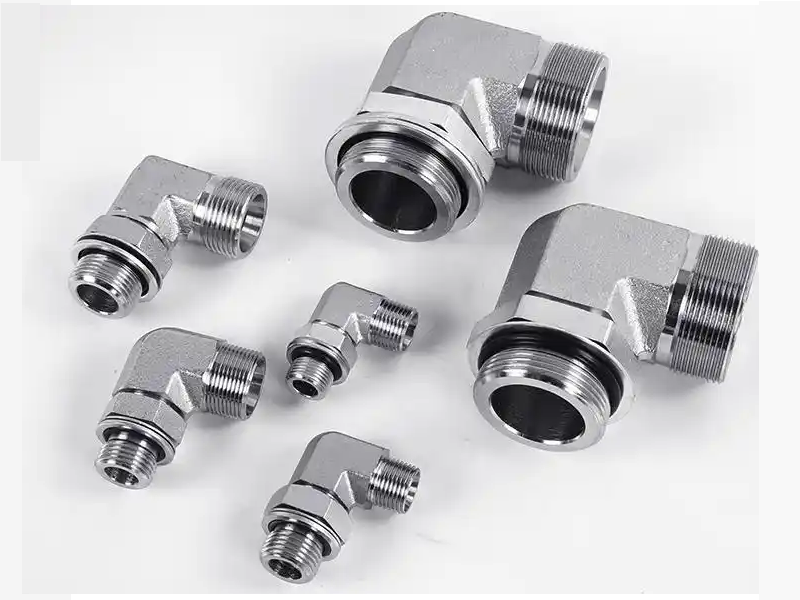
1. Why Precision CNC Machining is the Game Changer for SS Fittings
Most people think of pipe fittings as simple cast iron or forged steel parts. However, when your system requires a leak-proof seal at 3,000 PSI, the “roughly cast” thread just won’t cut it.
The ±0.02mm Advantage
At Yuhuan Hongqian, we specialize in precision machining with a tolerance control of ±0.02mm. Why does this matter?
-
Thread Consistency: Standard NPT or BSP threads can vary slightly between batches. CNC precision ensures every thread matches perfectly, reducing “galling” during installation.
-
Surface Integrity: Our CNC turning and milling centers eliminate the internal burrs and micro-cracks common in low-end casting, which are the primary breeding grounds for localized corrosion.
Scaling Quality with 80+ CNC Lathes
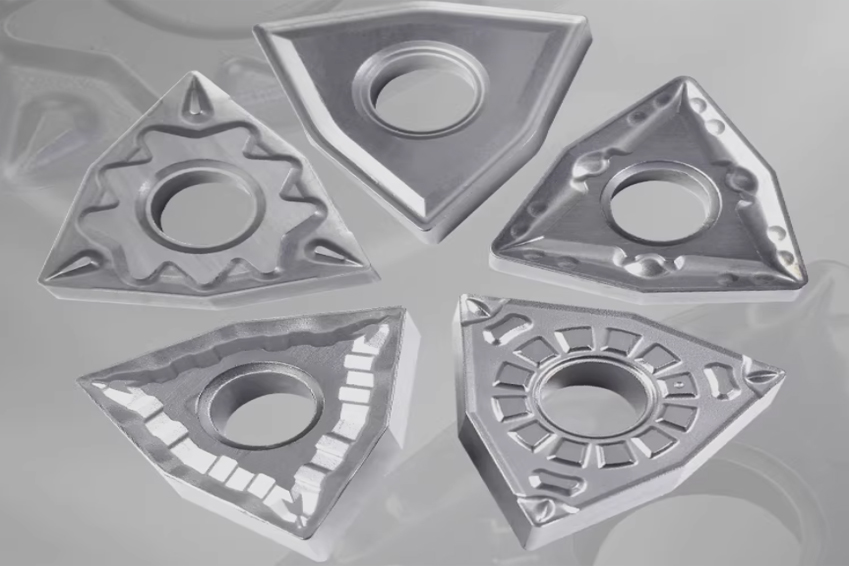
Quality often drops when volume increases. We’ve solved this by deploying a fleet of 80 CNC lathes integrated with robotic gantry loading systems. This automation ensures that the 10,000th fitting is as precise as the first one, significantly lowering the “Total Cost of Quality” for our international buyers.
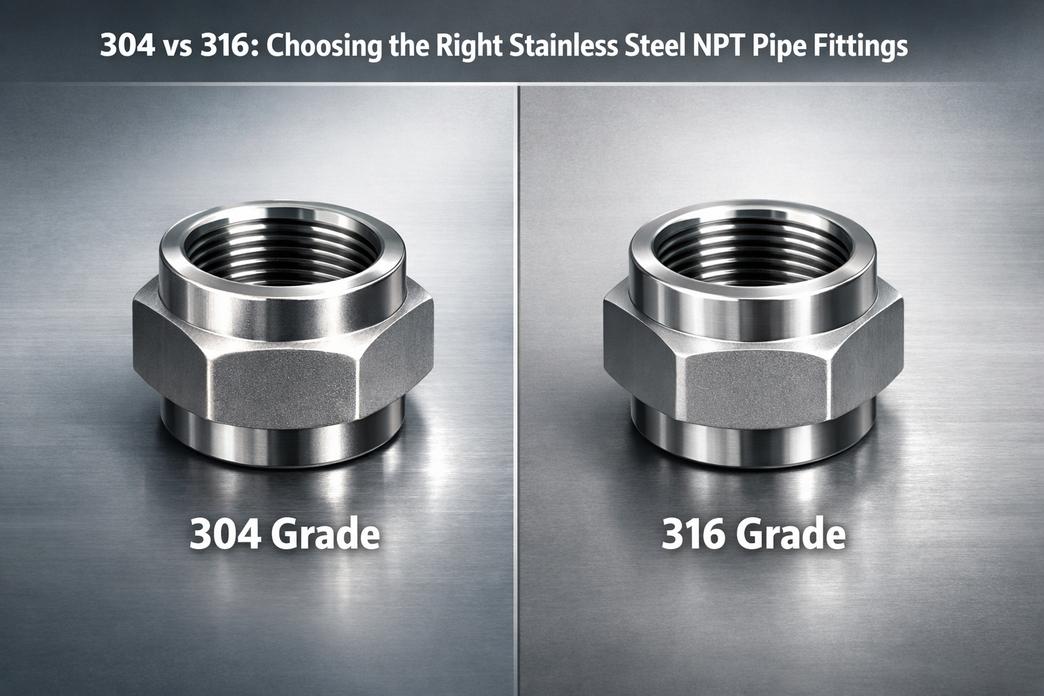
2. Decoding Stainless Steel Pipe and Fittings Grades: 304 vs. 316 vs. 316L
Choosing the right grade is like choosing the right insurance policy—it depends on the risk.
Grade 304: The Versatile Workhorse
Commonly used in food processing and general plumbing, 304 offers excellent value. It’s resistant to most oxidizing acids but struggles in high-salt (chloride) environments.
Grade 316: The Corrosion Specialist
By adding Molybdenum, Grade 316 gains a “chemical shield” against pitting. This is the gold standard for marine and chemical refinery applications.
Grade 316L: The Welder’s Best Friend
The “L” stands for Low Carbon. In 2026, we see a massive shift toward 316L for welded systems. Why? During welding, standard 316 can suffer from “carbide precipitation,” leading to rust at the seams. 316L prevents this, ensuring the joint remains as strong as the pipe.
Expert Insight: We recently handled a “rescue mission” for a client whose 316L welded joints showed discoloration. By implementing an electropolishing process, we restored the passive chromium oxide layer, proving that proper post-processing is as vital as the material itself.
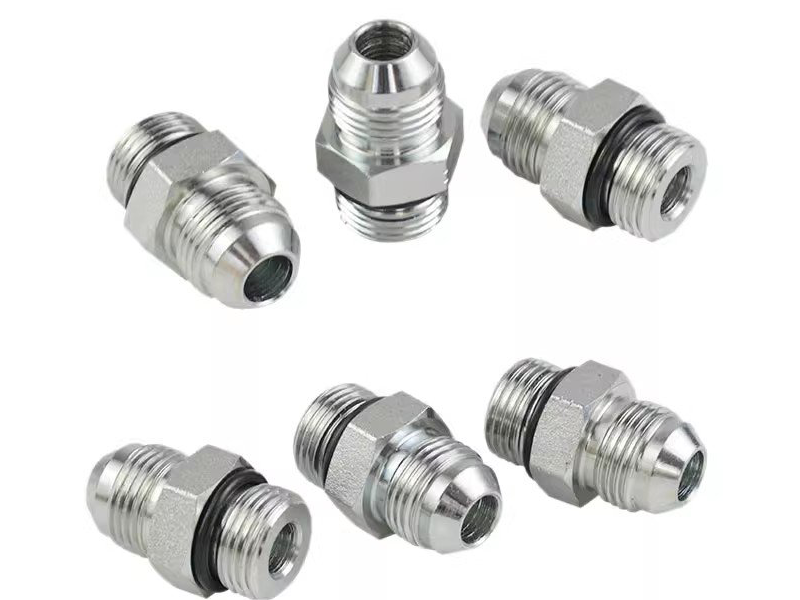
3. Comprehensive Comparison: Fitting Types and Technical Specs
To help your engineering team make the right call, we’ve summarized the core components of a high-performance system.
Table 1: Common SS Pipe Fitting Functions & Precision Requirements
| Fitting Type | Primary Function | Manufacturing Method | Critical Precision Point |
| 90°/45° Elbow | Changes flow direction | Forged & CNC Machined | Center-to-Face Dimension |
| Equal/Reducing Tee | Branches or combines flow | CNC Milling | Branch Alignment |
| Concentric Reducer | Connects different diameters | CNC Turning | Wall Thickness Uniformity |
| Union (3-Piece) | Easy maintenance/disconnect | Precision CNC Threading | Sealing Surface Flatness |
| Nipple / Coupling | Joins straight runs | High-speed CNC Turning | Thread Pitch Accuracy |
| Flange | Connects to pumps/tanks | Forged & Machined | Bolt Hole Pattern (ASME B16.5) |
4. Stainless Steel Pipe and Fittings Industry Standards: Beyond the Stamps (ASTM & ASME)
When you see ASTM A403 or ASME B16.11 stamped on a Yuhuan Hongqian fitting, it’s not just ink—it’s a performance guarantee.
-
ASTM (Material): Governs the “DNA” of the steel—chemical composition and tensile strength.
-
ASME (Design): Governs the “Body”—the exact geometry and pressure-temperature ratings.
In our factory in Taizhou, Zhejiang, we strictly adhere to these international benchmarks while catering to the specific machinability needs of Carbon Steel (Q355) and Stainless Steel (304/316L).
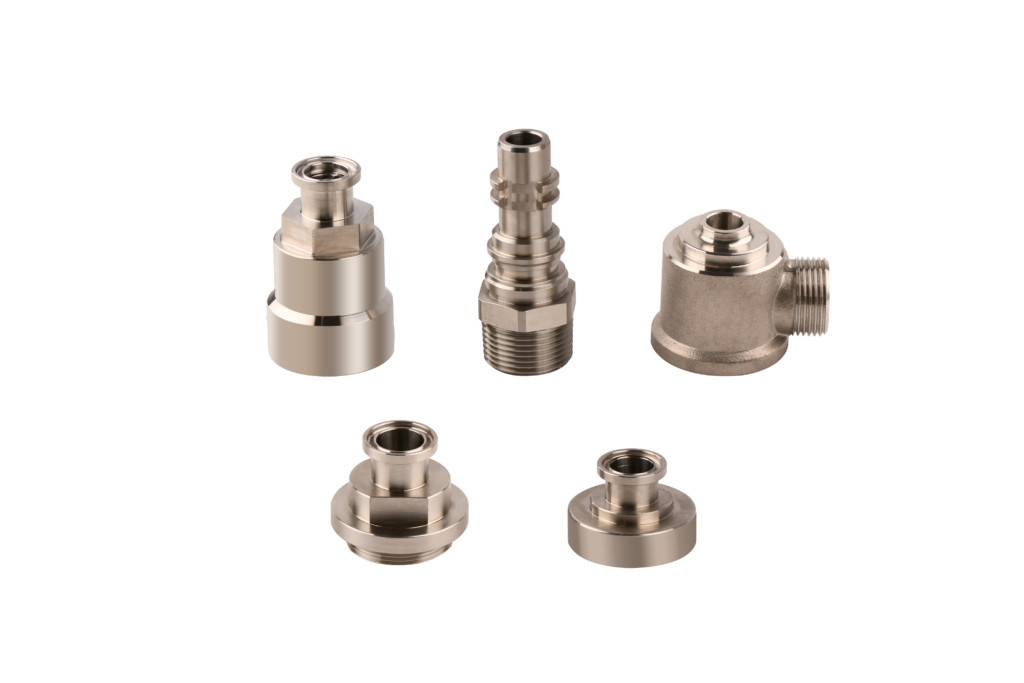
5. Stainless Steel Pipe and Fittings Applications: Where Precision Meets the Real World
Oil & Gas (The Harsh Frontier)
Our fittings are designed to withstand high pressure and sour gas environments. The use of Q355 steel, transitioned from the older Q345 standards, provides better yield strength for offshore platforms.
Food & Beverage (The Hygiene Standard)
Surface roughness (Ra) is the metric of truth here. Our CNC-machined fittings feature a non-porous finish that prevents bacterial colonies from forming, making them “CIP (Clean-in-Place) Ready.”
6. How to Avoid Installation Failures: A Pro’s Checklist
-
Material Verification: Never mix carbon steel tools with stainless steel fittings. This causes “iron contamination,” leading to premature rusting.
-
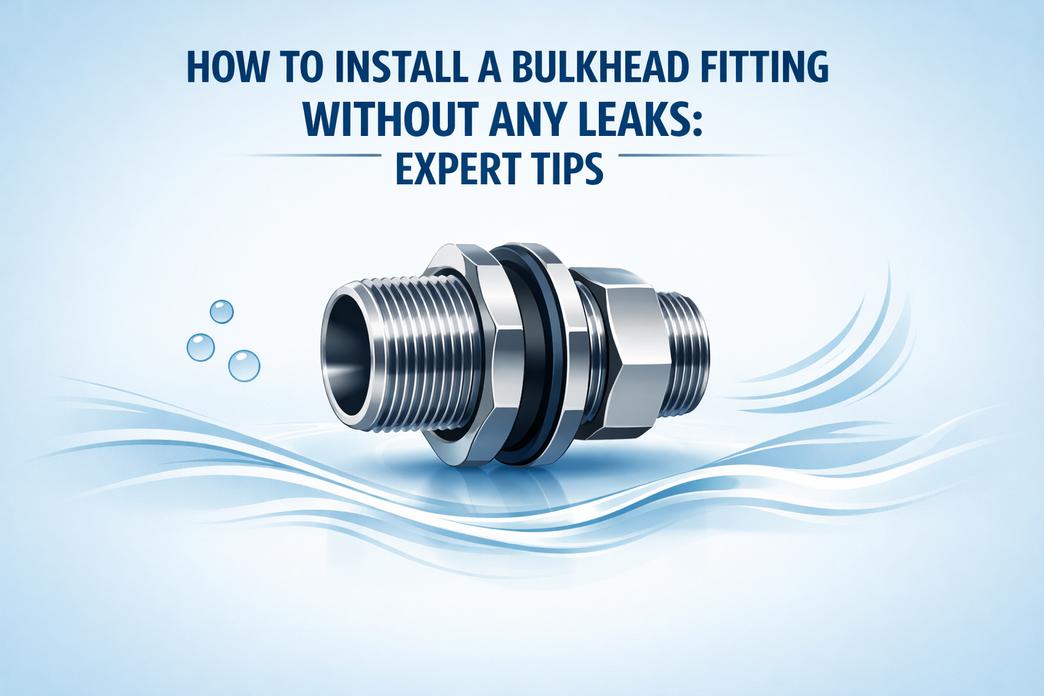
Thread Lubrication: Stainless steel is prone to galling (cold welding). Always use a high-quality PTFE tape or anti-seize compound.
-
Purging During Welding: If you are using Buttweld fittings, ensure an argon gas purge on the inside of the pipe to maintain the internal corrosion resistance.
7. The Yuhuan Hongqian Difference: Why Taizhou Manufacturing?
Based in the heart of the precision machining cluster in Taizhou, Zhejiang, Yuhuan Hongqian Machinery Co., Ltd. combines the agility of a specialized factory with the technical depth of 10+ years of experience.
We don’t just “make parts”; we solve procurement headaches. Whether it’s troubleshooting SSL certificate redirects on an industrial portal or optimizing a 301 redirect for SEO visibility for our global partners, we understand that a digital-first approach is key to the 2026 industrial landscape.
FAQ: Everything You Need to Know About SS Fittings
Q1: Does stainless steel rust?
Yes, it can. Stainless steel relies on a “passive layer” of chromium oxide. If this layer is stripped away (by harsh chemicals or iron contamination) and cannot access oxygen to self-heal, the fitting will rust.
Q2: What is the difference between Forged and Buttweld fittings?
Forged fittings (up to 4″) are for high-pressure systems and are usually threaded or socket-welded. Buttweld fittings (up to 48″) are for larger pipelines where weight reduction and smooth internal flow are priorities.
Q3: Can I use 304 fittings for a coastal project?
It’s risky. For any project within 5 miles of the ocean, we strongly recommend Grade 316 or 316L due to the high chloride content in the air.
Q4: Why choose CNC machining over traditional casting for fittings?
CNC machining offers a ±0.02mm tolerance, which is impossible with standard casting. This leads to better sealing, easier installation, and a longer system lifespan.
Conclusion: Build Your System with Confidence
Selecting the right stainless steel pipe and fittings is a balance of metallurgy, geometry, and manufacturing precision. By choosing a partner like Yuhuan Hongqian, you gain access to a decade of CNC machining expertise and a production capacity that meets the world’s most demanding standards.
Ready to Optimize Your Supply Chain?
Would you like me to send you our latest technical catalog or a custom quote for your 316L or Carbon Steel projects?
[Contact Yuhuan Hongqian Today] | [Visit justcncturningparts.com]