Threaded pipe fittings don’t usually steal the spotlight—until a tiny mismatch shuts down a whole line and everyone’s staring at the ceiling tiles. One wrong thread standard, one overlooked pressure rating, and suddenly that “small” procurement call costs real money. In high-pressure systems, details aren’t details. They’re the difference between smooth flow and a slow, stubborn leak that won’t quit.
It’s a bit like forcing the wrong lid onto a mason jar. It might twist on halfway, but you already know it won’t seal.
“Thread compatibility is still one of the top causes of field rework,” notes a senior engineer at Yuhuan Hongqian.
This guide cuts through the noise—standards, materials, pressure classes—so your next order fits right the first time and stays tight for the long haul.
Reading Notes for Seamless Threaded Pipe Fittings
➔ Standard Selection: Match NPT, BSPT, BSPP or Metric/UNF to region and taper needs.
➔ Material Matters: Choose Stainless Steel, Brass, Galvanized Iron or PVC based on corrosion and temperature.
➔ Pressure & Fit: Verify PN16, 2000–3000 PSI or Class 150/300 ratings with proper DN15–4″ sizing.
➔ Seal & Certify: Use PTFE tape or O-rings, torque to spec, and confirm ASTM, ISO or CSA approval.
Types of Pipe Thread Standards
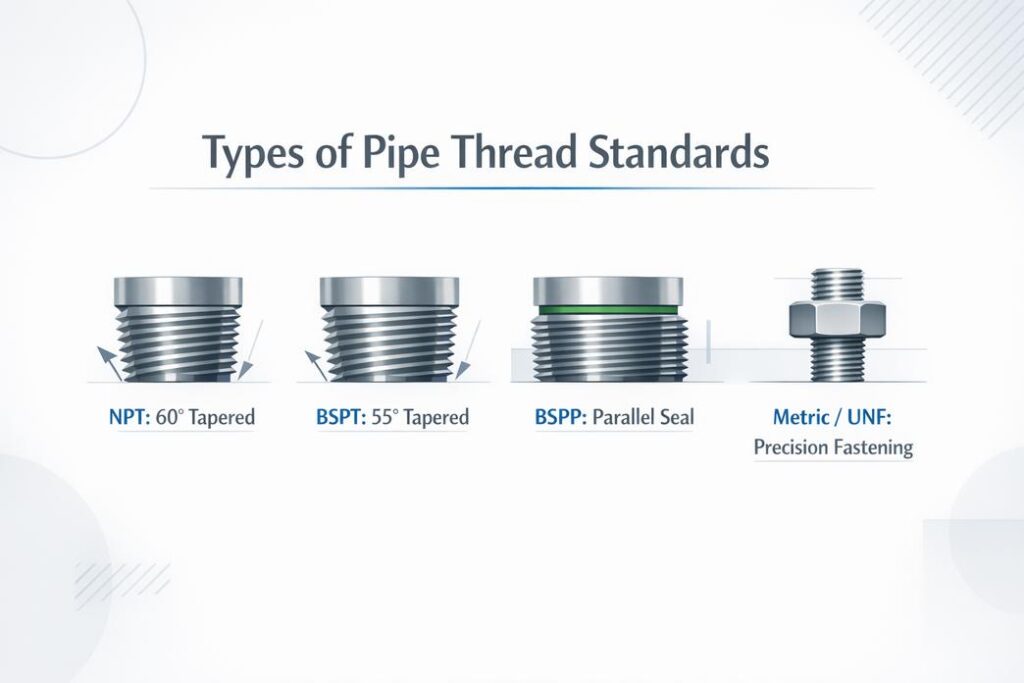
Choosing the right thread type keeps threaded pipe fittings from leaking, cracking, or simply not lining up. When working with pipe fittings, pipe threads, or threaded fittings in plumbing or industrial lines, small angle differences matter. Below is a straight-talking breakdown to help you match the right threaded pipe fittings to the job.
NPT (National Pipe Tapered Thread)
NPT is built around a tapered thread design that forms a tight mechanical joint through interference.
- Core Geometry
- Thread angle: 60°
- Designed around controlled thread pitch and pipe diameter
- Seal formed by metal-to-metal contact and thread deformation
- Sealing Principle
- a. Taper creates compression
- b. Compression improves sealing under torque
- c. Sealant enhances performance in high-pressure pipe fittings
- Application in threaded pipe fittings
- Plumbing Systems
- Oil and Gas lines
- Fire Protection layouts
- Elbow, Tee, and Coupling threaded fittings
- Standardization
- Conforms to ANSI and ASTM
- Focus on standardization to reduce mismatch risks
For high-demand threaded pipe fittings, brands like yuhuan hongqian manufacture NPT pipe threads with strict dimensional checks to maintain fit consistency.
BSPT (British Standard Tapered Thread)
BSPT also uses a tapered thread, but the thread angle shifts to 55°, which changes contact behavior in pressure applications.
Key differences inside threaded pipe fittings:
- Tapered profile with sealing via compression
- Requires proper sealant in most pressure applications
- Limited interchangeability with NPT pipe threads
Below is a comparison table for common BSPT parameters used in threaded pipe fittings:
| Nominal Size (inch) | Thread Angle (°) | Threads per Inch | Typical Pressure (bar) |
|---|---|---|---|
| 1/4 | 55 | 19 | 16 |
| 1/2 | 55 | 14 | 25 |
| 3/4 | 55 | 14 | 25 |
| 1 | 55 | 11 | 40 |
In HVAC and industrial pipe fittings, correct matching of male and female pipe threads avoids cross-thread damage. Even small angle errors can wreck sealing surfaces.
BSPP (British Standard Parallel Thread)
BSPP uses a parallel thread rather than taper.
- Thread Structure
- Straight profile
- No interference-based sealing
- Needs external sealing element
- Sealing Components in threaded pipe fittings
- a. Sealing washer
- b. O-ring
- c. Bonded gasket
- Performance Range
- Best for low pressure systems
- Common in fluid control assemblies
- Typical in Union, Cap, and Plug pipe fittings
- Assembly Logic
- Threads provide alignment
- Seal occurs at face contact
- Controlled torque prevents distortion
This makes BSPP threaded pipe fittings ideal when frequent disassembly is required.
Metric and UNF Thread Specifications
Metric and UNF threads focus on precision. Here the story shifts from taper sealing to dimensional control.
Metric thread features:
- Measured in millimeters
- Defined thread form under international standards
- High dimensional accuracy
UNF thread traits:
- Fine UNF thread pitch
- Improved vibration resistance
- Used in instrumentation pipe fittings and reducers
In fastening-heavy environments, these metric thread and unified thread systems support tight fastening without relying on taper compression. For export-driven threaded pipe fittings production, yuhuan hongqian aligns products with international standards so metric and UNF pipe threads integrate smoothly into global assemblies.
Getting the thread right isn’t flashy. But when threaded pipe fittings hold pressure day after day without drama, that’s when good engineering quietly wins.
NPT vs. BSP: Choosing the Right Thread
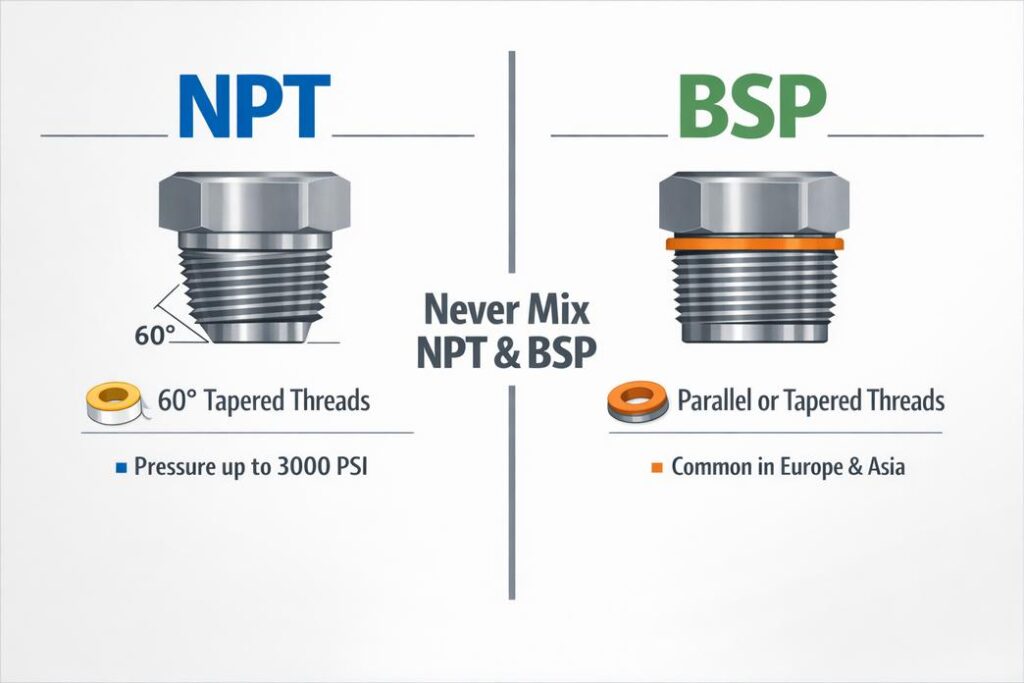
Picking between NPT and BSP can feel like shop-floor talk that suddenly turns technical. In the world of threaded pipe fittings, small thread angles decide sealing, safety, and long-term cost. When pipe fittings fail, pressure drops fast and nobody’s happy. So let’s break down pipe threads, and fitting standards in a clear, no-nonsense way.
NPT
NPT stands for National Pipe Taper, built around Tapered Threads under the American Standard system. It’s common in North American industrial piping and heavy-duty pressure fittings.
- Technical Foundation
- Thread Type
- 60° taper profile
- Designed for interference fit
- Sealing Method
- Uses Sealing Tape or Thread Sealant
- Advanced versions apply Dryseal design
- Thread Type
- Performance in Threaded Pipe Fittings
- Pressure Range
- 1/2″–4″ typical industrial sizes
- Rated up to 3000 PSI in carbon or stainless steel
- Application
- Oil lines
- Hydraulic systems
- High-pressure pipe fittings
- Pressure Range
- Material Pairing
| Size (inch) | Pressure (PSI) | Common Material | Application Type |
|---|---|---|---|
| 1/2 | 1500 | Carbon Steel | Air Lines |
| 3/4 | 2000 | Stainless | Water Systems |
| 1 | 3000 | Carbon Steel | Hydraulic |
| 2 | 2500 | Stainless | Industrial Gas |
| 4 | 2000 | Alloy Steel | Process Piping |
For consistent machining and tight tolerance threaded pipe fittings, yuhuan hongqian keeps NPT tolerances sharp and sealing surfaces clean.
BSP
BSP, or British Standard Pipe, uses the Whitworth Thread profile and appears as Parallel Threads (BSPP) or Tapered Threads (BSPT). It’s widely used in gas fittings and water fittings across Europe and Asia.
- Structural Differences
- BSPP
- Parallel Threads
- Seals with Sealing Washer
- BSPT
- Tapered Threads
- Mechanical interference seal
- BSPP
- System Compatibility
- DN15–DN20 common range
- Brass or galvanized iron body
- ISO-aligned standards
- Market Insight
The 2025 Global Industrial Fastener Report by Grand View Research notes steady growth in pipe thread demand across Europe, driven by infrastructure retrofits and water system upgrades.
In practical pipe fittings selection, BSP works great for moderate pressure water fittings and gas fittings. For exporters and OEM buyers sourcing threaded pipe fittings at scale, yuhuan hongqian offers both BSP and NPT machining, helping projects stay compliant without mixing incompatible pipe threads.
Three quick takeaways:
- Match the thread angle.
- Match the sealing style.
- Never mix NPT and BSP in one joint.
Get that right, and your threaded pipe fittings will stay tight and drama-free.
3 Key Thread Dimensions Explained
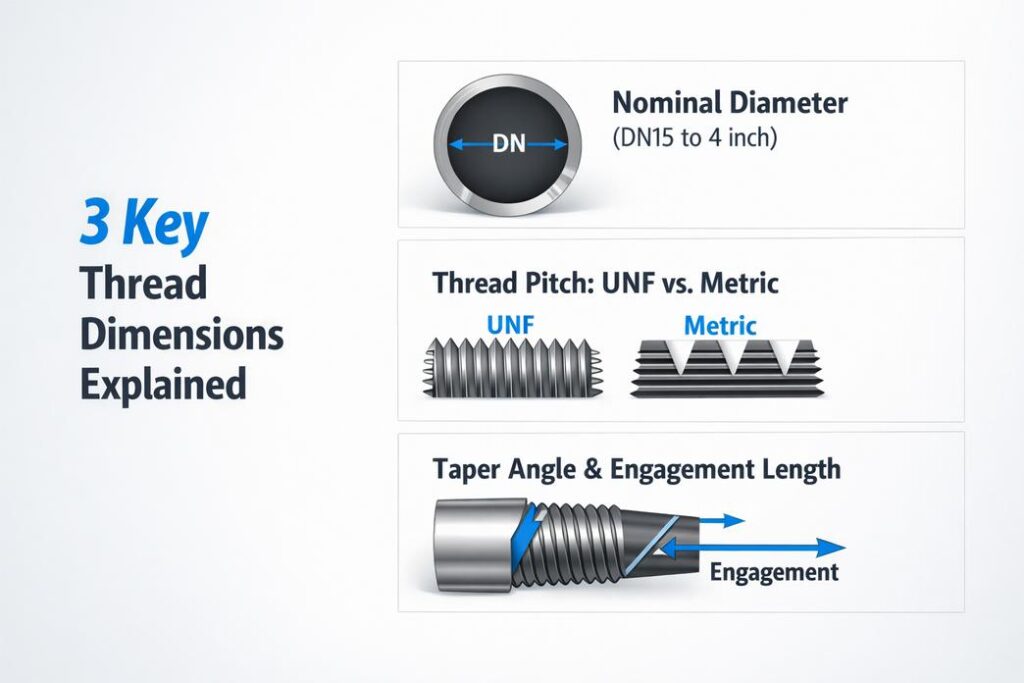
Threaded connections can look simple, yet the wrong dimension can wreck a whole line. When choosing threaded pipe fittings, three details decide sealing, strength, and long-term safety in plumbing and HVAC jobs.
Nominal Diameter (DN15 to 4 inch)
When selecting threaded pipe fittings, size comes down to Nominal Diameter, not the visible thread crest.
- Understanding size labels
- Metric-based
- DN15
- DN20
- DN25
- DN40
- DN50
- Inch-based
- 1 inch
- 4 inch
- Metric-based
- What it really means
- It reflects pipe bore, not the outside thread diameter.
- A DN20 threaded fitting will not measure 20 mm across the thread tips.
- Practical matching logic
- Pipe outer diameter
- Fitting standard
- System rating
For HVAC systems, mixing DN and inch sizing in threaded pipe fittings is a fast track to leaks. Keep pipe fittings and threaded connections in the same sizing standard to avoid rework.
Thread Pitch: UNF vs. Metric
Thread Pitch defines how tight the spiral climbs.
- UNF uses higher Threads Per Inch, giving finer engagement.
- Metric pitch is measured by distance between threads.
Key geometry terms in threaded pipe fittings:
- Major Diameter
- Minor Diameter
- Pitch Diameter
Fine UNF threads improve vibration resistance in high-pressure threaded pipe fittings. Metric threads simplify sourcing across global pipe fittings markets.
For 2000 PSI or Class 300 lines, tighter pitch can improve sealing contact between threaded pipe fittings and mating pipe threads. Brands like yuhuan hongqian focus on precision Pitch Diameter control to keep joint fit consistent.
Taper Angle and Engagement Length
Sealing in threaded pipe fittings depends heavily on Taper Angle and Engagement Length.
- Taper mechanics
- Conical Thread Form increases interference
- Contact pressure builds along the Sealing Surface
- Engagement control
- Too short
- Weak Joint Integrity
- Risk of Leakage Prevention failure
- Too long
- Thread distortion
- Sealant squeeze-out
- Too short
- Installation essentials
- Apply proper Thread Sealant
- Tighten to rated torque
- Verify alignment of elbow and tee pipe fittings
In 3000 PSI or PN16 systems, correctly designed threaded pipe fittings ensure sealing force rises gradually as the taper locks. That steady compression is what keeps pipe fittings dry and dependable over years of service.
Leaky Connections? Try ISO 7-1 Thread Control
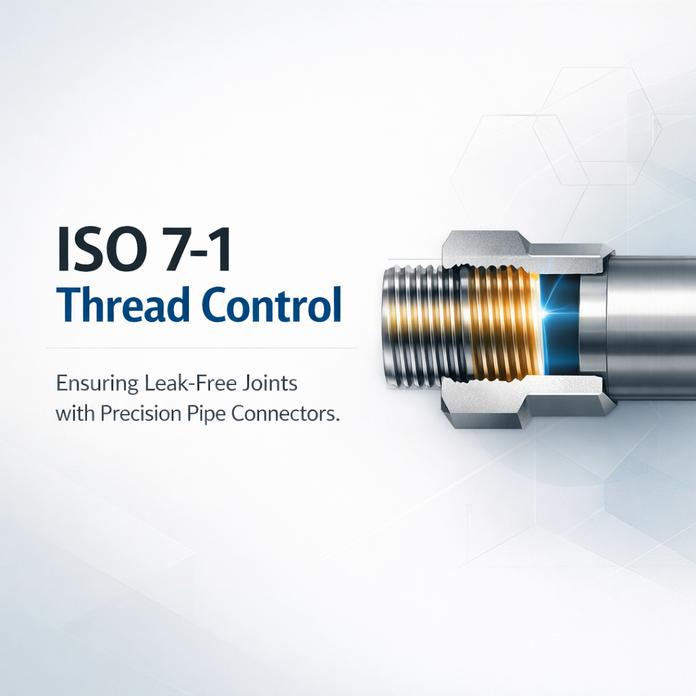
Threaded pipe fittings keep plumbing, gas, and industrial lines tight—or cause headaches when threads are off. Getting threaded pipe fittings right means understanding standards, materials, and sealing habits. From pipe fittings with thread to precision pipe connectors, small details decide if the joint holds pressure or leaks overnight.
ISO 7-1 Tapered and Straight Thread Connections
When working with threaded pipe fittings, start with ISO 7-1 requirements. The standard defines how Tapered Threads and Straight Threads behave under pressure.
- Connection Types
- Pressure-tight joints using taper-to-taper contact
- Mechanical joints using parallel thread with seal
- Thread Geometry Control
1.1 Thread Pitch must match gauge limits
1.2 Thread Diameter checked at reference plane
1.3 Thread Profile verified for flank angle accuracy
- Application Fit
- External thread into internal taper
- Parallel thread with gasket face
- Inspection Flow
- Gauge test
- Visual burr check
- Trial assembly
Good threaded fittings rely on clean crests and proper alignment. Pipe thread fittings that ignore pitch tolerance often fail under vibration. For industrial threaded pipe fittings, even a minor mismatch in taper throws off sealing pressure.
Material and Certification Guidelines (ASTM, ISO, CSA Approved)
Material choice shapes the lifespan of threaded pipe fittings in water, fire, or oil systems.
- Standards Alignment
1.1 ASTM Standards for mechanical strength
1.2 ISO Standards for dimensional control
1.3 CSA Approved marking for regional compliance
- Material Specifications
- Ductile Iron for impact resistance
- Carbon Steel for high-pressure lines
- Stainless Steel for corrosion zones
- Certification Requirements
- Heat treatment records
- Mill test certificates
- Pressure rating validation
Thread pipe fittings in aggressive media need stainless grades that meet both ASTM and ISO tolerances. Cutting corners here is risky business.
Sealing Techniques for Leak-Free Joints
Even top-grade threaded pipe fittings leak without proper sealing.
- Thread Sealant options:
- PTFE Tape
- Pipe Dope
- Liquid anaerobic sealant
- Surface Prep
1.1 Clean male thread
1.2 Inspect for nicks
- Application
- Wrap PTFE clockwise
- Apply even compound coat
- Final Control
- Follow Torque Specifications
- Conduct Leak Detection test
- Confirm Joint Integrity
A snug fit matters, yet overtightening cracks fittings. Balanced torque keeps pipe fittings with thread secure without damaging the profile. Done right, threaded pipe fittings stay dry and dependable.
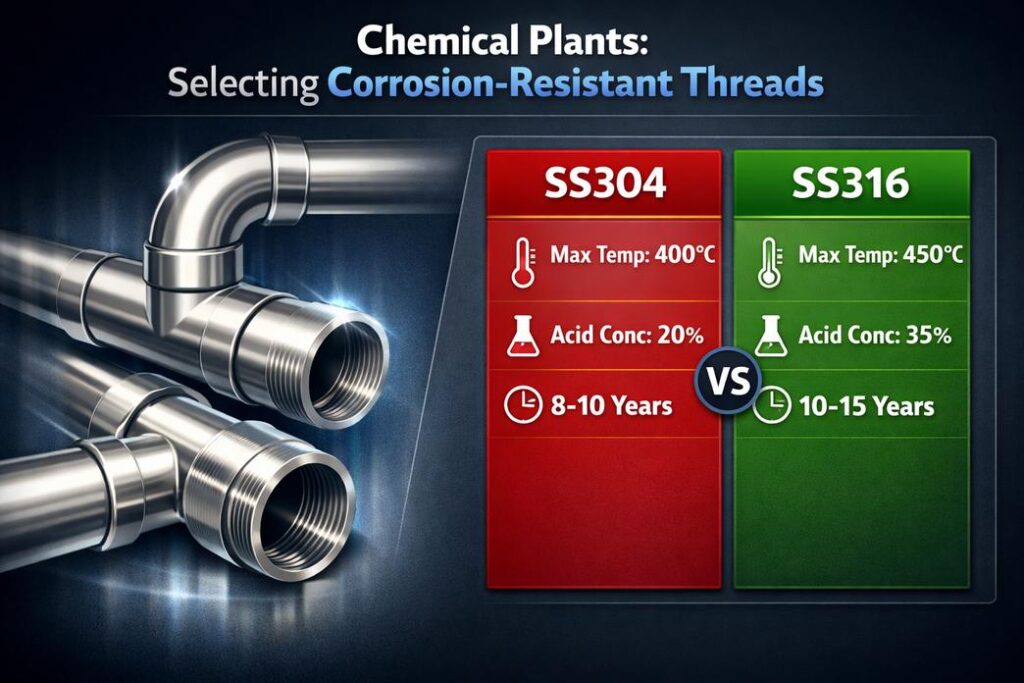
Chemical Plants: Selecting Corrosion-Resistant Threads
Chemical plants don’t play nice with weak materials. Acids, pressure swings, and heat can chew through the wrong metal fast. Choosing the right threaded pipe fittings keeps systems tight, safe, and running without drama. Let’s break it down in a practical way.
Stainless Steel vs. Brass for Acidic Media
When handling Acidic Media, material choice is not just a line item—it’s survival.
- Stainless Steel offers strong Corrosion Resistance in aggressive chemical lines.
- Brass works in mild solutions but struggles in high concentration acids.
- Thread Compatibility matters for sealing performance in threaded pipe fittings.
1) For high concentration acids
- a. Pick Stainless Steel grades like 316 for better pitting resistance.
- b. Confirm Material Selection aligns with temperature range.
- c. Match with properly rated threaded pipe fittings to avoid thread galling.
2) For diluted or low-temperature acids
- a. Brass can reduce cost.
- b. Check dezincification risk.
- c. Use compatible pipe fittings with proper sealant.
Material data snapshot:
| Material | Max Temp (°C) | Acid Concentration (%) | Typical Pressure (PSI) | Service Life (Years) |
|---|---|---|---|---|
| SS304 | 400 | 20 | 1500 | 8–10 |
| SS316 | 450 | 35 | 3000 | 10–15 |
| Brass C360 | 200 | 10 | 1000 | 5–8 |
| Brass DZR | 230 | 15 | 1200 | 6–9 |
| GI | 180 | 5 | 800 | 3–5 |
Brands like yuhuan hongqian supply threaded pipe fittings with certified metallurgy reports, which makes audits less of a headache.
Galvanized Iron and PVC Thread Options
Budget jobs and corrosive fluids need different vibes.
- Galvanized Iron
- ▸ Suits HVAC and low-corrosion lines
- ▸ Limited Chemical Resistance
- ▸ Works for dry gas or mild water systems
- PVC / CPVC
- ▸ Strong against many acids
- ▸ Lightweight and easy to install
- ▸ Reliable in DN15–2 inch threaded pipe fittings
For Thread Types, check:
- NPT for tapered sealing.
- BSPT for international compatibility.
- Straight threads when paired with gaskets.
In corrosive dosing systems, plastic pipe connectors often outlast metal. Still, temperature caps must be respected. Application Suitability and long-term Durability depend on matching fluid chemistry with the correct pipe fitting material. Many plants sourcing from yuhuan hongqian prefer PVC threaded pipe fittings for small-bore chemical feed lines because installation is quick and downtime stays low.
PN16 and 3000 PSI Pressure Ratings for Safety
Pressure is where mistakes get expensive.
- PN16 fits moderate industrial water and light chemical transfer.
- 3000 PSI ratings apply to high-pressure hydraulic or chemical injection lines.
- Pressure Ratings must align with Thread Strength and wall thickness.
Safety check flow:
1) Identify system pressure spikes.
2) Confirm Safety Standards such as ANSI compliance.
3) Match fitting class to pipe schedule.
4) Inspect sealing surface before startup.
Under-rated threaded connectors can crack at the root of the thread. That tiny failure can snowball into leaks and shutdowns. Properly rated threaded pipe fittings from trusted manufacturers like yuhuan hongqian help maintain System Integrity and steady Fluid Handling performance. In chemical plants, that peace of mind is worth every cent.
FAQs about Threaded Pipe Fittings
What are the most common types of threaded pipe fittings used in industry?
Threaded pipe fittings connect lines under pressure, heat, and vibration—choosing the right form matters.
- Directional control: Elbow and Tee guide flow in Plumbing Systems, HVAC Systems, and Fire Protection.
- Extension & repair: Coupling and Union join or disconnect 1/2 inch to 2 inch lines with Male Thread or Female Thread ends.
- Flow adjustment: Reducer transitions from 1 inch to DN15 without stress on Tapered Thread joints.
- Termination: Cap and Plug seal External Thread or Internal Thread outlets in Industrial Piping and Oil and Gas setups.
Most are produced in Stainless Steel, Carbon Steel, Brass, PVC, or CPVC to match pressure and fluid demands.
How do NPT, BSPT, and BSPP threads differ in real applications?
Thread standards decide sealing performance and interchange risk.
- NPT – Tapered Thread, common in North America; handles up to 3000 PSI in Class 300 systems.
- BSPT – Also tapered, aligned with ISO requirements; frequent in DN20 and 3/4 inch European lines.
- BSPP – Straight Thread; seals with gasket or O‑ring under PN16 conditions.
Mixing NPT with BSPT may appear close in size, but under pressure the mismatch can damage Elbow or Tee connections.
Which materials handle corrosion and pressure best?
Material choice often decides service life.
- Stainless Steel: Ideal for corrosive Industrial Piping; fits 2000 PSI or 3000 PSI ratings.
- Carbon Steel / Galvanized Iron: Strong for Fire Protection and HVAC Systems at Class 150 or Class 300.
- Brass: Practical for Plumbing Systems in 1/2 inch or 3/4 inch sizes.
- PVC / CPVC: Lightweight option for low‑to‑medium PN16 lines.
Selecting the wrong material for a Reducer or Coupling can shorten system life dramatically.
What certifications and pressure ratings should buyers confirm?
Bulk orders demand proof, not promises.
| Aspect | What to Check | Why It Matters |
|---|---|---|
| Certification | ASTM, ISO, ANSI, UL Listed, CSA Approved | Confirms material and thread accuracy |
| PressureRating | Class 150, Class 300, PN16, 2000 PSI | Matches system load |
| ConnectionType | Male Thread, Female Thread, Tapered Thread, Straight Thread | Ensures tight sealing |
A 4 inch Union in Oil and Gas service without proper certification is a risk no operator wants to take.
Ready to Secure Your Pipe System?
Stop gambling with “near-miss” fittings. Whether you need high-pressure Stainless Steel Couplings or bulk Brass Adapters, Yuhuan Hongqian delivers the precision your project demands.
👉 [Contact Our Engineering Team Today] for a custom quote or to request our 2026 Product Catalog. Let’s build a leak-free future together.