Understanding Bulkhead Fittings: Types, Uses, and Selection Tips
Bulkhead fittings are essential connectors that allow fluids, gases, or wiring to pass through panels, tanks, or walls. They provide a secure, leak-proof seal while maintaining structural integrity. In industrial, marine, and construction applications, bulkhead fittings and bulkhead pipe fittings are crucial for reliable system performance.
What is a Bulkhead Fitting?
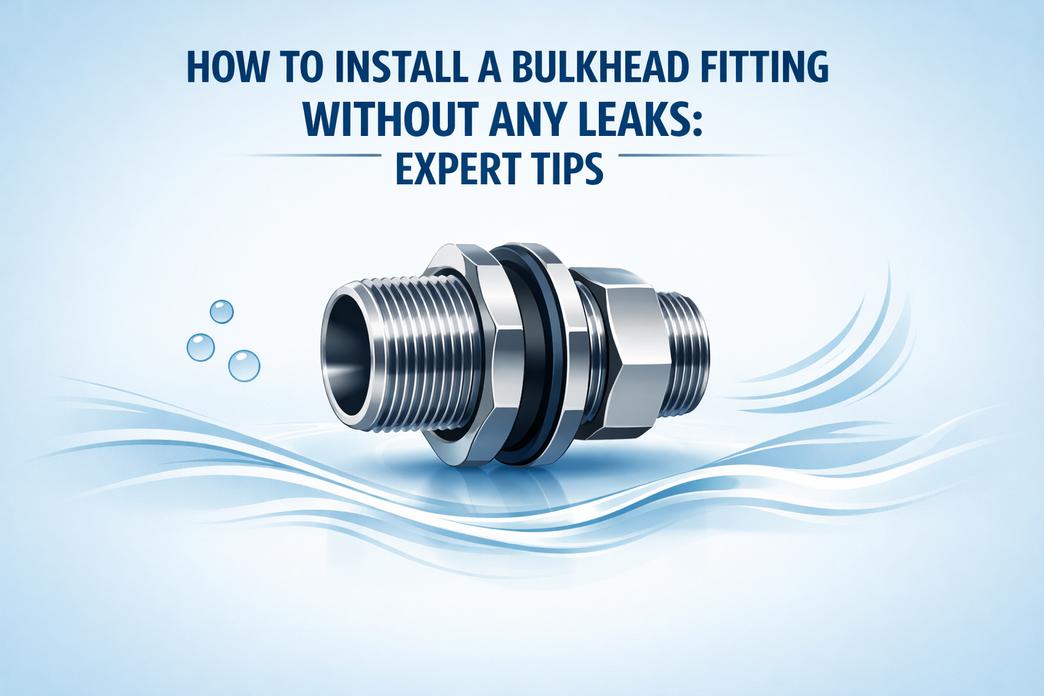
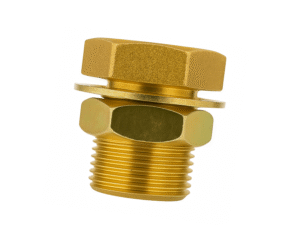
A bulkhead fitting is a connector designed to penetrate a wall, panel, or tank. It enables fluid or gas transfer while keeping the system sealed. These fittings are widely used in hydraulic, pneumatic, and plumbing systems, providing a safe and reliable pathway for liquid or gas lines.
Key features of bulkhead fittings include:
-
Secure mounting through walls or panels
-
Leak-proof sealing
-
Compatibility with various piping systems
-
Ease of maintenance and replacement
In many industries, bulkhead pipe fittings are preferred for connecting pipes through tanks or cabinets, ensuring both safety and efficiency.
Why Is It Called a Bulkhead Fitting?
The term “bulkhead” originates from shipbuilding, where bulkheads are internal partitions dividing compartments. A fitting that passes through a bulkhead became known as a bulkhead fitting. This naming highlights its primary purpose: enabling connections through solid barriers without compromising structural or fluid integrity.
Types of Bulkhead Fittings
Bulkhead fittings come in various designs to suit different applications:
-
Straight-Through Fittings – Allow fluid or gas to flow directly through a panel.
-
Elbow Bulkhead Fittings – Provide a 90-degree angle for directional changes in piping.
-
Tee Bulkhead Fittings – Enable splitting or joining of pipelines.
-
Barbed Fittings – Ideal for flexible hoses and tubing connections.
-
Compression Fittings – Offer strong sealing for rigid piping systems.
-
Hydraulic Bulkhead Fittings – Designed for high-pressure hydraulic systems.
-
Electrical Bulkhead Fittings (e.g., Bulkhead Light Fittings) – Allow cables or lighting fixtures to pass through panels while protecting wiring.
Each type has specific advantages depending on fluid type, pressure rating, and installation environment.
What is a Bulkhead Light Fitting?
A bulkhead light fitting is an electrical application of the bulkhead concept. It is a lamp installed on walls or ceilings, typically in industrial or outdoor settings. These fittings are designed to be water-resistant, dustproof, and durable, making them ideal for ships, factories, and outdoor areas. Unlike pipe fittings, bulkhead light fittings focus on electrical safety and protection.
Bulkhead in Construction
In construction, a bulkhead refers to walls or partitions used to divide spaces or provide structural support. Bulkhead fittings are commonly installed through these partitions for plumbing, drainage, or electrical purposes. They allow utilities to pass through structural elements without compromising integrity or safety.
Applications and Benefits of Bulkhead Fittings
Bulkhead fittings are versatile components with applications across multiple industries:
-
Industrial Machinery: For hydraulic and pneumatic lines passing through machine panels.
-
Marine and Automotive: Enables fuel, water, and hydraulic lines to penetrate hulls or panels.
-
Plumbing and Chemical Tanks: Ensures safe transfer of liquids through tank walls.
-
Electrical Systems: Bulkhead light fittings provide protected wiring solutions.
Benefits include:
-
Leak-proof sealing for fluids and gases
-
Structural stability when passing through panels or walls
-
Simplified maintenance and replacement
-
Resistance to corrosion and high pressure (depending on material)
-
Compatibility with flexible and rigid piping systems
Choosing the Right Bulkhead Fitting
Selecting the appropriate bulkhead fitting depends on several factors:
-
Material: Stainless steel, brass, aluminum, or plastic for corrosion resistance and durability.
-
Thread Type: NPT, BSP, JIC, Metric – choose based on regional standards and system compatibility.
-
Pressure Rating: Ensure the fitting can handle operating pressure of fluid or gas.
-
Fluid Type: Chemical compatibility is critical for tanks with corrosive liquids.
-
Installation Environment: Consider temperature, vibration, and exposure to outdoor elements.
For pipe installations, bulkhead pipe fittings are recommended to connect rigid pipes securely while maintaining a sealed environment.
Installation Tips and Maintenance
Proper installation and maintenance are key to the longevity of bulkhead fittings:
-
Ensure the panel or tank hole is correctly sized.
-
Use appropriate gaskets or O-rings to maintain a leak-proof seal.
-
Tighten locknuts securely but avoid over-tightening, which may damage threads.
-
Inspect fittings regularly for corrosion, wear, or leaks.
-
Replace worn or damaged fittings promptly to avoid system failures.
Introduction of bulkhead fitting manufacture
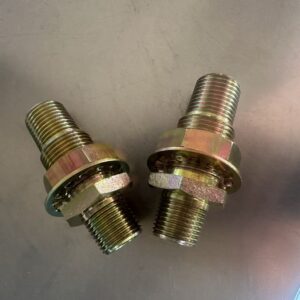
Yuhuan hongqian is a professional cnc turning parts factory in china ,and have experience to produce carbon steel bulkhead fittings , zinc plated bulkhead fitting with different size :
3/8 bulkhead fitting
3/4 bulkhead fitting
1/2 bulkhead fitting
1-1 4 bulkhead fitting
Our bulkeahd fitting is professional supply america market and latin america market , we have keep produce this item more than 5 years .
It produce 1045 steel material with zinc plated surface . in high strength perfomance and satisfy in truck brake system .
Conclusion
Bulkhead fittings are vital for creating secure, leak-proof connections through walls, panels, and tanks. They are widely used in industrial machinery, hydraulic systems, marine applications, construction, and electrical installations. Choosing the right bulkhead fitting or bulkhead pipe fitting involves considering material, thread type, pressure, and installation conditions. Proper installation ensures safe, efficient, and long-lasting system performance.
With the right selection and maintenance, bulkhead fittings provide a flexible and reliable solution for both fluid and electrical systems.