Pipe fittings are one of the most essential components in any plumbing or piping system, whether in residential, commercial, or industrial applications. They allow you to connect pipes, change the flow direction, and maintain a leak-proof system under varying pressure conditions. Choosing the right pipe fitting is crucial to ensure the durability, efficiency, and safety of the piping system.
In this guide, we will explain what elbow fittings are, their angles, the main types of pipe fittings, and the key differences between elbow fittings and compression fittings. By understanding these elements, you can make informed decisions when designing, installing, or maintaining plumbing systems. This guide is also optimized for global readers, with terminology and examples suitable for engineers, DIY enthusiasts, and plumbers worldwide.
What Is an Elbow Fitting?
An elbow fitting is a type of pipe fitting designed primarily to change the direction of flow in a piping system. Unlike straight connectors that simply join two pipes, elbow fittings allow for smooth directional changes, which are essential for both space-saving and functional design in pipelines.
Key Features of Elbow Fittings:
-
Direction Change: Redirects fluid flow at specific angles.
-
Materials: Available in stainless steel, copper, brass, PVC, and other materials to match different types of pipelines.
-
Applications: Used in residential plumbing, commercial HVAC systems, hydraulic lines, and industrial piping networks.
Elbow fittings are crucial in systems where space is limited, and the pipeline needs to navigate around obstacles. For example, in residential kitchens, elbow fittings allow water pipes to run neatly behind walls or under cabinets without sharp bends that could stress the pipe.
How to Produce Elbow Fitting Blanks (Hot Forging)
The elbow fitting blank refers to the raw material used to make elbow pipe fittings, typically produced through hot forging. During hot forging, a heated carbon steel or stainless steel billet is shaped into the basic elbow form before machining, threading, or welding. This process ensures:
-
High Strength: Hot forging refines the metal grain structure, improving mechanical properties.
-
Consistent Shape: The blank is formed close to the final elbow dimensions, reducing material waste.
-
Pressure Resistance: Properly forged blanks can withstand high pressures in industrial and hydraulic systems.
After forging, the blanks are further machined or processed into finished elbow fittings according to design specifications.
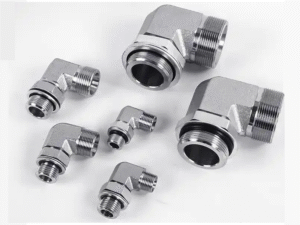
Difference Between Carbon Steel and Stainless Steel Elbow Fittings
Elbow pipe fittings are commonly made from carbon steel or stainless steel, and selecting the right material depends on the application:
-
Carbon Steel Elbow fittings:
-
Strong and cost-effective.
-
Suitable for high-pressure systems where corrosion is not a major concern.
-
Often used in oil, gas, and industrial pipelines.
-
-
Stainless Steel Elbow fittings:
-
Highly resistant to corrosion and chemical damage.
-
Ideal for potable water, food processing, or chemical industries.
-
Slightly more expensive but offers longer service life in corrosive environments.
-
Understanding the differences helps engineers and installers select the appropriate elbow fitting material for durability, safety, and system efficiency.
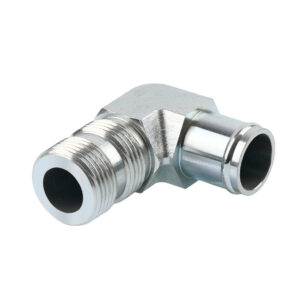
Elbow Fittings Angles
Elbow fittings come in a variety of angles to accommodate different piping layouts. The most common angles include:
-
45-degree elbow fitting:
-
Provides a gentle turn in the pipeline.
-
Reduces turbulence and pressure loss.
-
Ideal for long pipelines where smooth flow is essential.
-
-
90-degree elbow fitting:
-
Offers a sharp directional change.
-
Saves space in compact installations but can increase flow resistance.
-
Commonly used in small residential and industrial applications where space constraints exist.
-
-
180-degree elbow fitting:
-
Used for U-turns in pipelines.
-
Often found in HVAC systems or specific industrial fluid applications.
-
How to Choose the Right Angle
Selecting the appropriate angle depends on multiple factors:
-
Pipeline Layout: Space limitations may require sharper turns.
-
Flow Requirements: Gentler angles reduce turbulence and maintain pressure.
-
System Type: High-pressure systems may require gradual turns to avoid stress on the pipes.
For example, in water drainage systems, a 45-degree elbow is often preferred to maintain a smooth flow and reduce the risk of clogging.
Are 45 and 90-Degree Elbows the Same?
While both 45° and 90° elbow fittings are used to change the flow direction, they are not interchangeable:
-
45-degree elbow:
-
Reduces turbulence and minimizes pressure loss.
-
Ideal for long runs of pipe where smooth flow is essential.
-
Used in drainage, water supply, and HVAC systems.
-
-
90-degree elbow:
-
Provides a sharper turn, saving space but slightly increasing pressure drop.
-
Suitable for short piping runs or compact installations.
-
Choosing the wrong angle can lead to reduced system efficiency, higher maintenance needs, and potential leaks over time. Proper planning of elbow placement ensures optimal performance.
Three Types of Fittings
Pipe fittings are categorized into three main types, each with unique functions:
-
Elbow Fittings – Change the direction of flow in pipelines.
-
Tee Fittings – Split or combine fluid flow into three directions.
-
Couplings / Connectors – Join two straight pipes to maintain continuity.
Examples and Applications
-
Elbow Fittings: Used in HVAC ductwork, water supply lines, and hydraulic systems to navigate around corners.
-
Tee Fittings: Common in residential plumbing where one main line feeds multiple branches.
-
Couplings: Essential for extending pipeline length or replacing damaged pipe sections.
By understanding these categories, engineers and plumbers can design efficient and safe piping layouts.
Elbow Fitting vs Compression Fitting
It’s essential to differentiate elbow fittings from compression fittings, as their functions and installation methods vary.
| Feature | Elbow Fitting | Compression Fitting |
|---|---|---|
| Function | Changes pipe direction | Connects and seals pipes |
| Installation | Threaded, welded, or solvent-welded | Tightened with a nut and ferrule |
| Common Applications | Direction changes in pipelines | Water, gas, and hydraulic systems |
Key Points:
-
Elbow Fittings: Focus on directional change; may require welding, threading, or solvent adhesion.
-
Compression Fittings: Focus on pipe connection and sealing; allow quick installation without heat or special tools.
-
Ideal systems often use both types together: elbows for direction, compression fittings for maintenance-friendly connections.
How to Choose the Right elbow Fitting
When selecting a fitting, consider the following:
-
Pipe Diameter and Material Compatibility: Ensure the fitting matches your pipe size and type.
-
Pressure Rating: Confirm the fitting can handle the system’s maximum pressure.
-
Installation Method: Choose between threaded, welded, or compression fittings based on skill level and tools.
-
Flow Requirements: Gentle turns for high flow rates; sharp turns only when space is limited.
Common Mistakes to Avoid:
-
Using a 90° elbow where a 45° elbow is required, causing unnecessary pressure drops.
-
Mismatching materials, such as using PVC fittings on metal pipes without proper adapters.
-
Over-tightening compression fittings, which can deform the pipe and cause leaks.
Practical Tips for Installation
-
Always measure twice before cutting pipes for elbows.
-
Deburr pipe ends to ensure smooth fitting connections.
-
When using compression fittings, lubricate the ferrule lightly to ensure a leak-proof seal.
-
Check manufacturer specifications for maximum pressure and temperature ratings.
Conclusion
Choosing the right pipe fittings—including elbow fittings and compression fittings—is crucial for a reliable, efficient, and long-lasting piping system. Understanding angles, types, and functional differences ensures proper installation, reduces maintenance, and prevents costly failures.
By carefully evaluating your system’s layout, flow requirements, and material compatibility, you can select the most appropriate fittings for your plumbing, industrial, or hydraulic projects. Proper planning and installation will lead to efficient fluid flow, fewer leaks, and longer pipe system life.