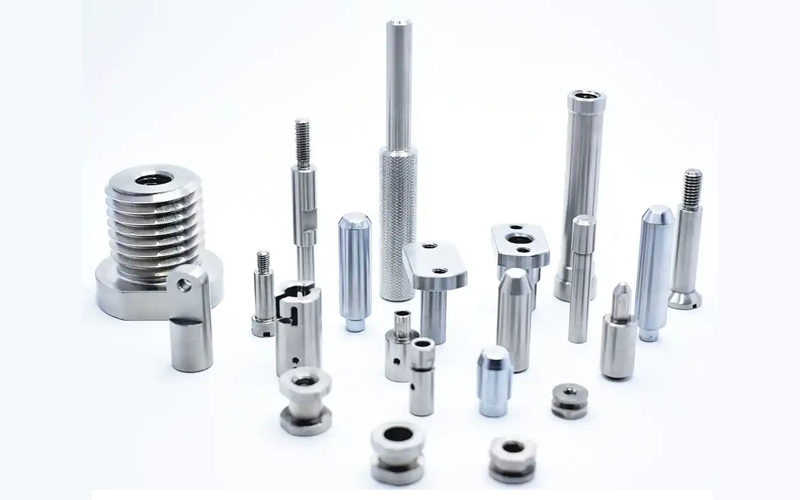
What are the uses of SS pipe fittings?
Stainless steel pipe fittings (often called SS pipe fittings or stainless steel fittings) play an essential role in almost every industrial pipeline system. Whether you are running a chemical processing plant, a CNC machining workshop, a plating line, or a fluid handling system, these fittings help ensure safe, reliable, and efficient transfer of liquids and gases.
Stainless steel fittings offer durability, corrosion resistance, long service life, and compatibility with harsh industrial environments—making them preferred over many other materials. In this complete guide, we explore what SS pipe fittings are used for, how stainless steel piping is usually joined, and the different types of stainless steel pipe fittings commonly seen in industrial systems.
This article is written in a natural, practical tone to help engineers, factory owners, procurement teams, and technicians make better selection decisions.
Why Stainless Steel Pipe Fittings Matter in Industrial Applications
Stainless steel is valued for its strong resistance to corrosion, oxidation, and temperature extremes. Grades like SS304, SS316, and SS316L are widely used in demanding conditions such as chemical tanks, high-pressure lines, and steam systems.
Industries that rely heavily on stainless steel pipe fittings include:
-
Chemical processing
-
CNC machining workshops
-
Electroplating and chemical nickel plating lines
-
Oil and gas
-
Food and beverage
-
Water treatment
-
HVAC and steam systems
Because these sectors often involve acids, alkalis, moisture, extreme heat, or pressure, stainless steel fittings become the ideal choice for long-lasting and reliable performance.
What Are the Uses of SS Pipe Fittings?
Stainless steel pipe fittings serve multiple functions in any piping system. Below are the most common and essential uses.
1. Directing and Controlling Fluid Flow
The primary use of any pipe fitting is to guide, control, or redirect flow. SS fittings such as elbows, tees, and crosses change the direction of fluid or split it into various paths.
In plating factories, cooling systems, hydraulic lines, and pressure-controlled environments, stainless steel fittings provide stable flow control without leakage or corrosion.
2. Connecting Pipes to Equipment
SS pipe fittings also serve as connection points between:
-
Pipes and pumps
-
Tanks and valves
-
Heat exchangers
-
Filters
-
CNC machining center cooling systems
-
Chemical solution tanks
These connections must withstand vibration, chemical exposure, and temperature variations. Stainless steel ensures these joints remain secure and leak-free over long periods.
3. Pressure Management and Leakage Prevention
In high-pressure environments—such as chemical injection lines, steam systems, and pneumatic circuits—stainless steel fittings help maintain pressure stability.
Compression fittings and NPT threaded fittings are especially valued for their sealing performance and ability to prevent leakage even under high vibration.
4. Corrosion Resistance for Harsh Environments
Many industrial fluids contain acidic or alkaline chemicals. Electroplating lines, nickel baths, and heat-treatment solutions can easily corrode standard metals.
However, SS316 and SS316L fittings provide superior resistance to:
-
Chlorides
-
Strong acids
-
High-moisture environments
-
Saltwater or salt-based solutions
This makes stainless steel the preferred material for long-term use in chemical plants and plating factories.
5. High-Temperature Applications
Stainless steel fittings withstand elevated temperatures far better than many alternative materials. They are commonly used in:
-
Steam lines
-
Hot oil systems
-
Heat treatment furnaces
-
Boilers
-
High-temperature processing units
Their stability under thermal expansion and thermal cycling helps improve safety and reliability.
How Is Stainless Steel Piping Usually Joined?
There are several ways to join stainless steel piping. Each method has specific advantages depending on pressure, temperature, maintenance needs, and system design.
1. Threaded Connections (NPT / BSP)
Threaded connections are among the most common in small to medium-sized pipelines.
NPT (National Pipe Thread) and BSP (British Standard Pipe) are widely used standards.
Advantages include:
-
Easy to assemble and disassemble
-
No need for welding
-
Cost-effective
-
Suitable for low to medium pressure
These fittings are often used in maintenance-heavy systems, industrial plumbing, and equipment installations.
2. Compression Fittings
Compression fittings are widely used in high-pressure or precision applications.
Types include:
-
Single-ferrule
-
Double-ferrule
-
Tube-to-tube & tube-to-pipe connectors
Benefits:
-
Leak-proof performance
-
Resistant to vibration
-
Ideal for chemical, hydraulic, and instrumentation lines
-
Allow easy system modification
They are popular in laboratories, chemical plants, CNC machine coolant systems, and fuel lines.
3. Welding (Butt Weld / Socket Weld)
Welded joints are used for permanent, high-pressure, or high-temperature systems.
Butt Weld Fittings
Used for:
-
Long-term pipelines
-
Large-diameter tubes
-
Seamless flow without turbulence
Socket Weld Fittings
Used for:
-
Smaller pipe sizes
-
High-pressure service
-
Oil and gas installations
Welding produces the strongest, most reliable connections—but they require skilled labor and are not ideal for systems needing frequent maintenance.
4. Flanged Connections
Flanges are used when:
-
The system requires frequent inspection
-
The pipe contains chemicals needing regular maintenance
-
Large pipes must be connected
Advantages:
-
Easy to remove and reinstall
-
Excellent sealing
-
Strong structural support
Common flange types include slip-on, weld neck, threaded, and blind flanges.
5. Quick Connect / Push-Fit Fittings
These fittings allow rapid assembly without tools.
Although less common for heavy industrial stainless steel systems, they are used in specialized environments where speed and simplicity are essential.
Types of Stainless Steel Pipe Fittings
Stainless steel pipe fittings come in many shapes and functions, each designed for specific applications. Here are the most widely used types.
1. Elbows
Used to change flow direction, typically:
-
45-degree elbows
-
90-degree elbows
-
Long radius
-
Short radius
Applications: cooling lines, chemical loops, HVAC, and steam systems.
2. Tees and Crosses
These fittings split or combine flow paths.
-
Tees: Equal tee or reducing tee
-
Crosses: Four-way flow control
Common in chemical distribution lines and industrial equipment cooling networks.
3. Couplings
Couplings connect two pipes in a straight line.
-
Full coupling
-
Half coupling
-
Threaded or socket-weld
Often used in machinery cooling, water lines, and small pipeline repairs.
4. Reducers
Used to connect pipes of different sizes.
-
Concentric reducers: For vertical lines
-
Eccentric reducers: Prevent air pockets in horizontal lines
Industries: chemical plants, plating lines, CNC coolant systems.
5. Caps and Plugs
Stainless steel pipe plugs and end caps close off pipe ends.
Common for:
-
Testing
-
Temporary sealing
-
Permanent termination
SS NPT plugs are widely used in pressure testing and system maintenance.
6. Nipples
Pipe nipples connect two pieces of equipment or fittings.
Types include:
-
Close nipple
-
Hex nipple
-
Reducing nipple
Stainless steel nipples are essential in hydraulic lines, pressure gauges, and valves.
7. Stainless Steel Flanges
Essential for larger, maintainable piping systems.
Types:
-
Weld neck
-
Slip-on
-
Blind
-
Threaded
Used in chemical plants, plating lines, and high-temperature systems.
8. Compression Tube Fittings
Examples include ferrules, nuts, and tube bodies.
These are used in:
-
Precision instruments
-
Analytical equipment
-
High-pressure chemical lines
They offer unmatched sealing reliability.
Material Grades and Their Applications
SS304
-
General-purpose
-
Good corrosion resistance
-
Suitable for freshwater, non-aggressive chemicals
SS316
-
High corrosion resistance
-
Excellent for chloride environments
-
Widely used in plating factories and chemical plants
SS316L
-
Low carbon
-
Better weldability
-
Used in pharmaceutical and high-purity systems
How to Choose the Right Stainless Steel Pipe Fittings
When selecting fittings, consider:
-
Chemical compatibility
-
Pressure and temperature rating
-
Thread standards (NPT/BSP/Metric)
-
Corrosion environment
-
Maintenance requirements
-
Manufacturer machining quality
-
Surface finish (important for plating and chemical baths)
A well-chosen fitting improves safety, extends system lifespan, and reduces maintenance costs.
Conclusion
Stainless steel pipe fittings are essential components that keep industrial fluid systems running smoothly and safely. Understanding their uses, joining methods, and types helps engineers and buyers choose the right components for their applications.
Whether you need corrosion-resistant fittings for plating lines, high-pressure connectors for hydraulic systems, or reliable joints for CNC machining coolant systems, stainless steel provides durability, stability, and long-term value.