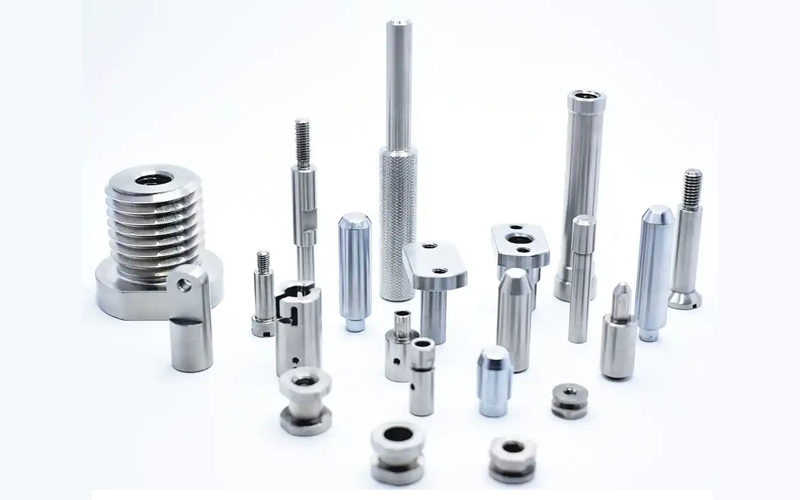
With 8 years experience for cnc machinery , As a cnc parts manufacturer , it is important to control cnc turning process quality ,but the raw material problem also is a key problem to notice . For this article mainly explain when customer have high demand for sealing , how to choose the right material and avoid material problem cause big loss .
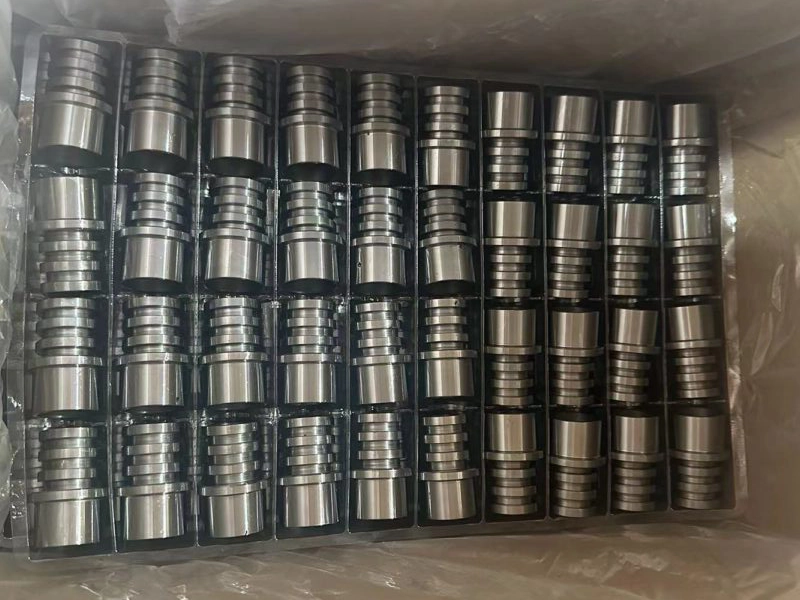
Real case of welding pipe fitting crack
In 2020, we produced a batch of CS1020 custom steel fittings. These iron pipe fittings are RP 3/4″ threaded and were treated with rust preventive oil.
After completing several batches, the customer reported a crack issue. Out of a 30,000 pcs order, only 1 defective piece was found,
Customer mainly use my tube fitting welding in another expensive machine , therefore if my products have any leakage problem .
All this batch goods is rejected . We get a big loss from this case .
So for this blog , we mainly tell people why the pipe fitting crack and how we solve the problem .
From this case we obviously know it is raw material ,not cnc turning process quality complain .
So immediately we contact the supplier who produce and supply for us , and study what reason may cause the tube crack .
Here need remark: CS 1020 material is a good welding material .
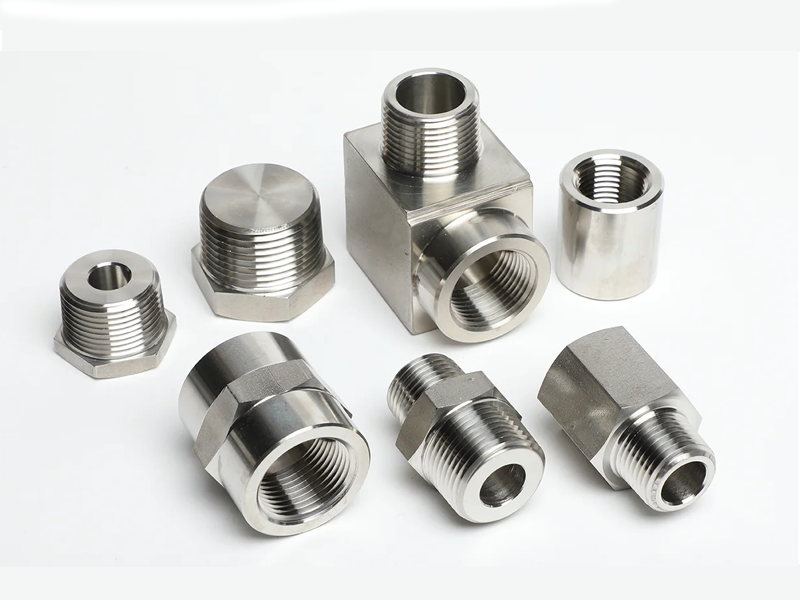
Causes of Cracks in Cold Drawn Tubes
Cracks in cold drawn tubes are usually caused by a combination of raw material issues and processing conditions. The main factors include:
-
Poor-quality tube blanks
- Tubes with unstable chemical composition, excessive inclusions, or surface defects are more likely to develop cracks.
- During cold drawing, these pre-existing defects are amplified by plastic deformation, leading to visible cracks.
-
Excessive reduction during drawing
- Reducing the tube diameter or wall thickness too much in a single pass increases internal stress.
- This can cause longitudinal or surface cracking if the material’s plasticity limit is exceeded.
-
Inadequate lubrication
- Insufficient or uneven lubrication increases friction between the tube and the die.
- High friction can tear the tube surface and initiate cracks.
-
Worn or poorly designed dies
- Dies with rough surfaces, improper angles, or wear can create stress concentrations.
- This can lead to cracks along the tube’s surface or length.
-
Insufficient intermediate annealing
- If the tube is cold-drawn through multiple passes without proper annealing, internal stresses accumulate.
- Excess stress reduces plasticity and increases the risk of delayed or surface cracks.
Choosing high-quality raw materials and optimizing the cold drawing process, including lubrication, die design, and annealing, are essential steps to reduce the risk of cracks.
For these information we can clear there are several reason , therefore we demand our supplier to Crack detector raw material everytime .
This way can work , but finally we give up because the increase cost eat our profit .
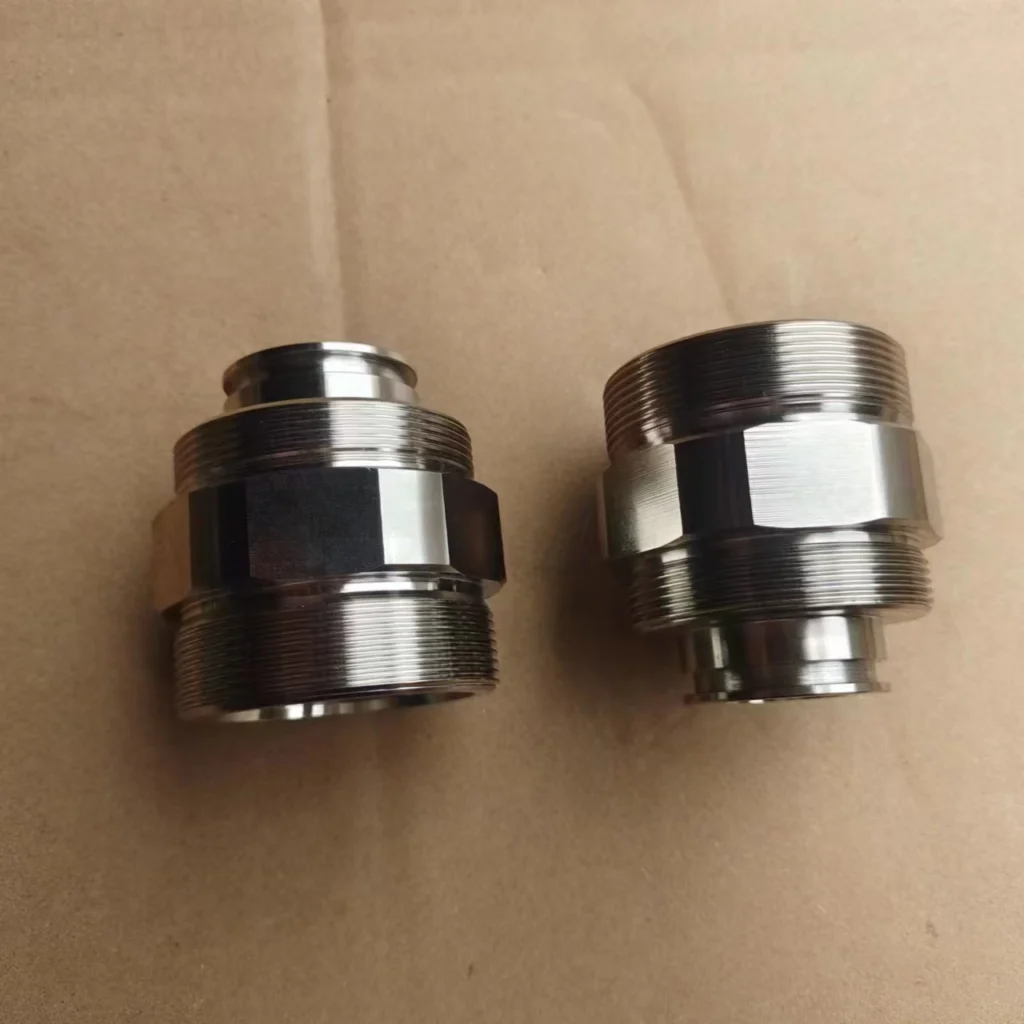
How to avoid the crack problem in cnc machining ?
Pipe fitting mostly common material type is cold heading , tube , bar ,hot forging .
Cold heading and tube is easy to have the crack problem.
Why Bar Stock and Cold-Heading/Hot-Forged Blanks Are Less Prone to Cracks
In CNC machining and pipe fitting production, cracks are a common concern, especially when using cold-drawn tubes or cold-heading materials. However, bar stock and hot-forged/cold-heading blanks are much less likely to develop cracks due to several key factors:
Uniform Internal Structure
Bar stock and hot-forged or cold-heading blanks have a dense and uniform grain structure.
They contain fewer inclusions, voids, or segregation, which reduces stress concentration during machining or forming and lowers the risk of cracks.
High Plasticity and Strength
These materials typically undergo forging or hot-working, which improves their ductility and tensile strength.
The material can better withstand CNC machining, bending, or welding stresses without cracking.
Low Residual Stress
Cold-drawn tubes or cold-headed materials often contain residual internal stress, which can trigger cracks during processing.
Bar stock and hot-forged blanks have relieved internal stresses, making them more stable during machining and welding.
Excellent Surface Quality
The surface of bar stock and hot-forged/cold-heading blanks is usually smooth and defect-free, minimizing the initial points where cracks can form.
So Choosing high-quality bar stock or hot-forged/cold-heading blanks for CNC machined pipe fittings is essential to prevent cracks and ensure product reliability. By selecting the right material and understanding its properties, manufacturers can reduce defects, improve sealing performance, and avoid costly production losses.
Conclusion
In conclusion, understanding the customer’s specific application and requirements is crucial to prevent issues such as cracks in CNC machined pipe fittings. By combining professional knowledge of materials, CNC turning processes, and quality control, manufacturers can avoid costly mistakes and ensure reliable performance.
For a high-quality CNC turning parts manufacturer, continuously studying different types of technical knowledge, including material properties, cold drawing, welding, and machining techniques, is essential to help customers grow their business and achieve consistent product quality.