
In the world of custom pipe fittings and precision machining, the “soul” of a component is its carbon content. Whether you are designing a high-pressure hydraulic joint or a simple structural connector, choosing between Low, Medium, and High Carbon Steel is the difference between a high-performance product and a catastrophic field failure.
At yuhuan hongqian , we specialize in the nuance of metallurgy. Today, we’re breaking down why the “carbon DNA” of your steel dictates whether you should choose cold heading, red punching (hot forging), or specific heat treatments.
1. Low Carbon Steel: The King of Cold Heading (08, 08F, 1010, A3)
Low carbon steel (carbon content < 0.25%) is the workhorse of the carbon steel pipe fittings industry. Because of its high ductility and lower hardness, it is incredibly “forgiving” during the manufacturing process.
Strategic Material Grades:
-
China Grades: 08, 08F (Excellent for deep drawing and extreme deformation).
-
International Equivalents: AISI/SAE 1010, ASTM A3.
Machining & Forming Insights:
-
Cold Heading (Cold Upsetting): This is where Low Carbon Steel shines. Grades like 08F and 1010 can be cold-headed into complex fitting shapes without cracking. They possess excellent plastic flow, allowing for high-speed production of bolts, nuts, and small pipe connectors.
-
Red Punching (Hot Forging): While possible, it is often overkill for low carbon steel unless the part geometry is exceptionally large or complex.
-
The “Sticky” Challenge: In CNC turning, low carbon steel can be “gummy.” It tends to form long, continuous chips that can mar surface finishes. High-pressure coolant and specific chip-breaker geometries are essential for maintaining precision.
-
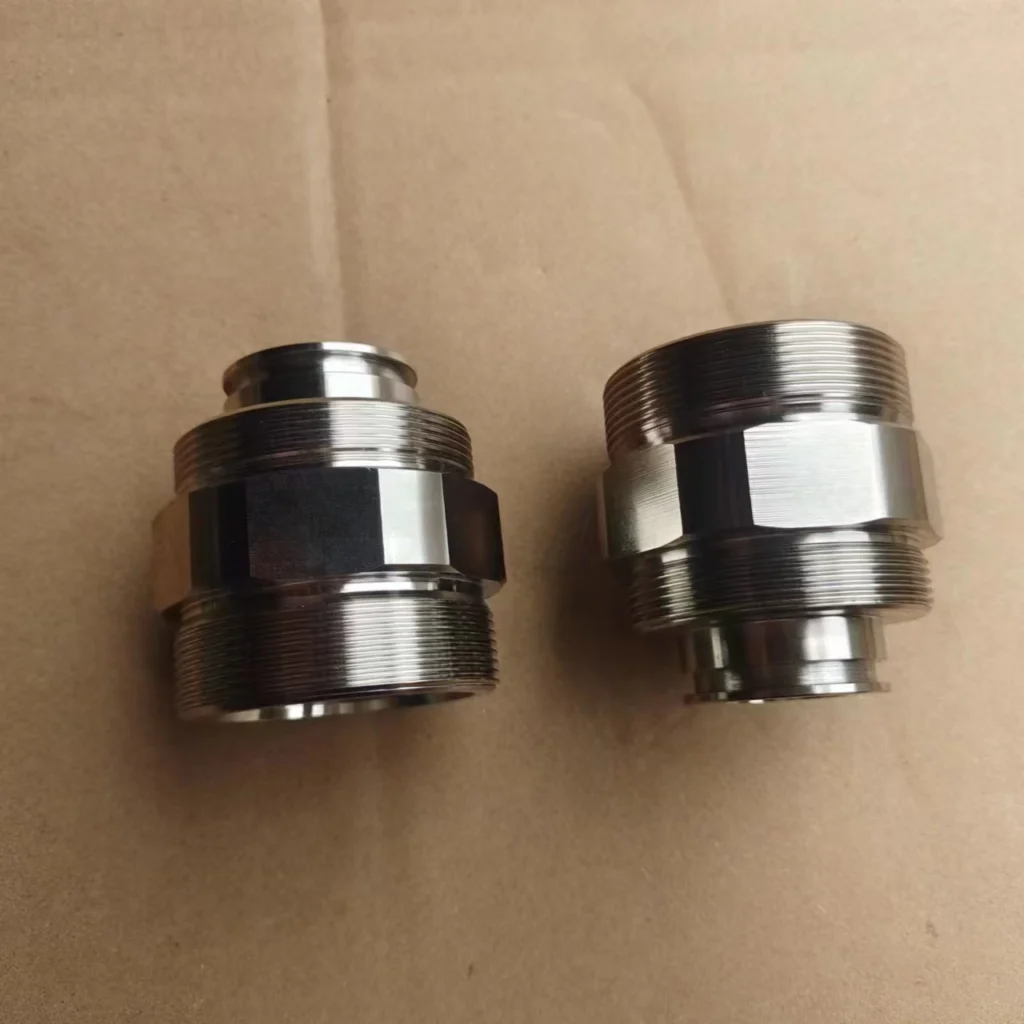
steel pipe fittings
2. Medium Carbon Steel: The Balanced Performer (45# Steel / 1045)
When your application requires higher strength and wear resistance, move to Medium Carbon Steel (0.25% – 0.60%). The most iconic grade in this category is 45# Steel (equivalent to AISI 1045).
The Critical Process Warning:
If you are manufacturing custom pipe fittings using 45# steel, your forming process must be precise:
-
Red Punching (Hot Forging): This is the preferred method for medium carbon steel. It allows the grain structure to refine while the material is malleable.
-
Cold Heading Risk: While 45# steel can be cold-headed, it must undergo an intermediate tempering (Quenching + Tempering) or stress-relief process. Without proper heat treatment, the increased hardness leads to internal stress, and the fitting will likely develop micro-cracks or shatter during the heading process.
3. High Carbon Steel: The Specialist (> 0.60% C)
High carbon steel is rarely used for standard pipe fittings due to its brittleness and poor weldability, but it is the “King” of tooling and mold making.
-
Forming Limitation: It must be red-punched (hot forged). Cold working is virtually impossible without immediate fracture.
-
Applications: Ideal for the dies and molds we use to create your custom fittings. Its extreme hardness after heat treatment ensures long-lasting tool life in high-volume production runs.
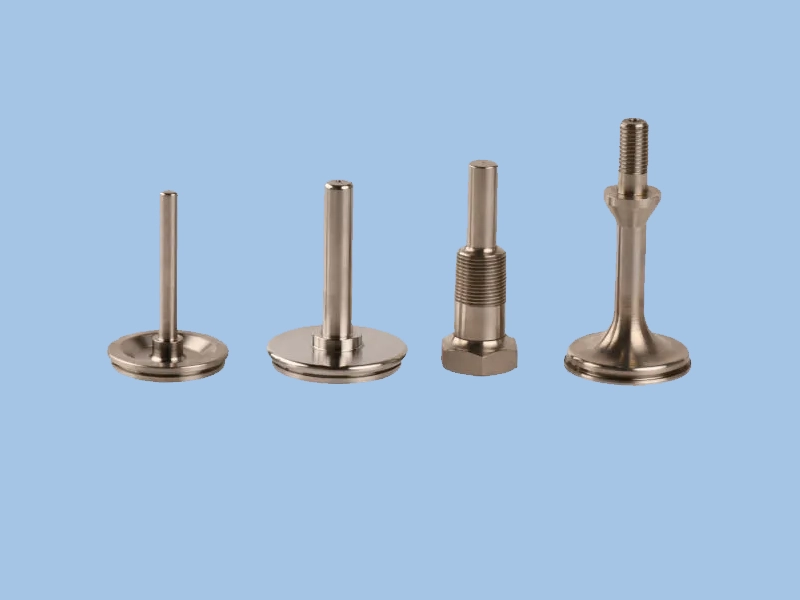
Technical Comparison Table for Machining & Forming
| Feature | Low Carbon Steel (08, 1010, A3) | Medium Carbon Steel (45# / 1045) | High Carbon Steel (T8, T10) |
| Carbon Content | < 0.25% | 0.25% – 0.60% | > 0.60% |
| Primary Forming | Cold Heading / Red Punching | Red Punching / Tempered Cold Heading | Red Punching Only |
| Hardness | Low (Easy to deform) | Moderate (Balanced) | High (Wear resistant) |
| Weldability | Excellent | Fair (Requires pre-heat) | Poor |
| Machinability | Good (Watch for “sticking”) | Excellent (Best for turning) | Challenging (Requires carbide tools) |
| Common Use | Standard Pipe Fittings, Flanges | High-strength Bolts, Gears, Shafts | Molds, Cutting Tools, Springs |
FAQ: Frequently Asked Questions
Q1: Can I use A3 steel for high-pressure pipe fittings?
A: A3 (Low Carbon) is excellent for general-purpose fittings and welding. However, for extreme high-pressure or high-torque environments, we recommend 45# steel with proper heat treatment to ensure the safety factor of the wall thickness.
Q2: Why did my 45# steel fittings crack during cold heading?
A: This is a common issue. Medium carbon steel like 45# has higher work-hardening rates. If you do not perform a tempering or annealing cycle to reduce internal stresses, the material cannot handle the rapid deformation of cold heading.
Q3: What is “Red Punching” in the context of pipe fittings?
A: Red punching is the industry term for Hot Forging. The raw material is heated until it is “red hot” (malleable) and then forged into shape. This is mandatory for high-carbon steels and complex medium-carbon parts to prevent structural failure.
Q4: Which material is best for “Custom Pipe Fittings” with complex threads?
A: For complex machining, 1010 or 1045 are often preferred. 1010 is easier to form the blank, while 1045 provides a cleaner thread finish due to its higher hardness, which prevents the “tearing” of the metal during the threading process.
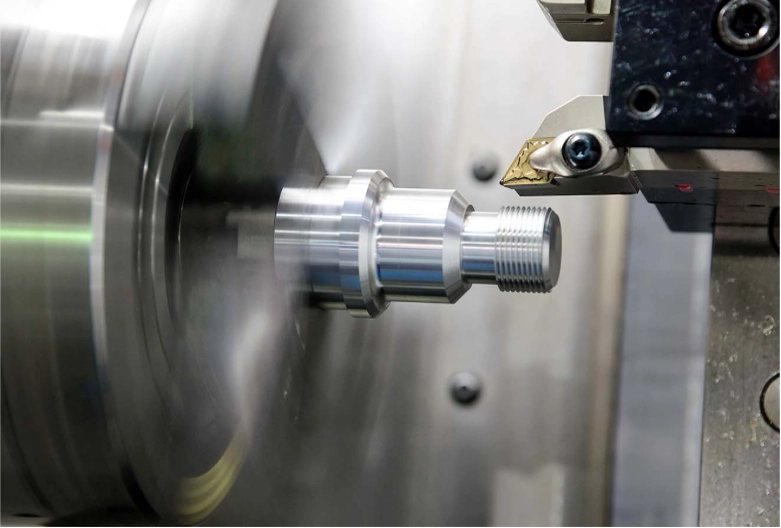
Conclusion: Partner with a Machining Expert
Choosing between 08F, 1010, and 45# steel isn’t just a checkbox on a drawing—it’s a manufacturing strategy. At yuhuan hongqian, we combine metallurgical expertise with advanced CNC machining to deliver pipe fittings that don’t just fit—they last.
Need a quote for custom pipe fittings or advice on the best carbon steel for your project?
