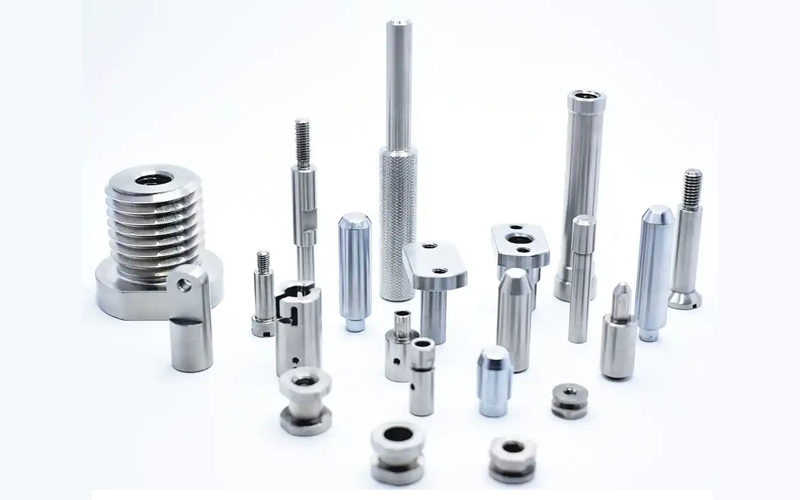
Brass Tee Pipe Fittings: A Complete Guide
Brass tee pipe fittings play an essential role in modern plumbing, HVAC, gas distribution, and industrial fluid systems. As one of the most versatile components within brass fittings, brass pipe fittings, and brass plumbing fittings, tee connectors provide strong, leak-resistant pathways that split or combine fluid flow with reliability and precision. This guide explains their structure, applications, materials, advantages, and how to select the right fitting for long-term performance.
Introduction: Why Brass Tee Pipe Fittings Matter
Brass is widely used in piping systems due to its excellent corrosion resistance, pressure tolerance, and machinability. Among all brass fittings, tee-shaped connectors are especially important because they allow pipelines to branch into additional lines without compromising pressure stability or safety. Whether used in water lines, compressed-air networks, or fuel transfer systems, brass tee pipe fittings deliver long-lasting performance.
This article integrates key SEO terms such as brass fittings, brass pipe fittings, and brass plumbing fittings, while keeping brass tee pipe fittings as the primary keyword.
What Are Brass Tee Pipe Fittings?
A brass tee fitting has a “T-shaped” design with three openings—one inlet and two outlets, or vice versa. It is used to combine, divide, or redirect flow within a pipeline. The material strength, high ductility, and anti-corrosion features of brass make it ideal for both residential and industrial installations.
Brass tee fittings are available in different configurations to fit various pipe materials and connection methods.
Types of Brass Tee Pipe Fittings
Below are the most common types used across plumbing and industrial systems:
Equal Tee
All three ends share the same diameter. It is mainly used for balanced distribution between the main pipe and branching pipe.
Reducing Tee
This type includes a smaller branch outlet for systems requiring transitions between different pipe sizes.
Threaded Brass Tee (Male / Female)
Designed for NPT, BSP, or other thread standards. Threaded tee fittings provide secure, leak-proof connections and are widely used in high-pressure systems.
Compression Brass Tee
A popular choice for copper and plastic pipes. No welding is required, making installation fast and clean.
Custom Machined Brass Tee
For special engineering requirements, tees can be CNC-machined to meet custom dimensions, pressure levels, and installation standards.
Material and Performance Features
Most tee fittings are made from high-strength brass alloys, known for:
- Excellent corrosion resistance in water, oil, and gas environments
- High pressure and temperature tolerance
- Resistance to dezincification (important in potable-water systems)
- Outstanding machinability for precision threads
- Long service life compared with zinc or plastic fittings
Lead-free brass options are also widely used in drinking-water applications to comply with safety and environmental regulations.
Applications of Brass Tee Pipe Fittings
Brass tee pipe fittings are used across a broad range of industries due to their durability:
- Residential and commercial plumbing
- Water supply and distribution
- Gas and fuel lines
- HVAC and heating systems
- Hydraulic and pneumatic control systems
- Irrigation and agricultural equipment
- Air compressor and automation lines
Their adaptability makes them an essential component in systems requiring precise fluid control.
Advantages of Using Brass Tee Pipe Fittings
Brass tee fittings provide several engineering and installation benefits:
- Superior corrosion resistance compared with steel or iron
- Long-lasting mechanical strength
- Highly stable thread engagement
- Easy installation and maintenance
- Suitable for both high-pressure and low-pressure systems
- Compatible with a wide variety of pipe materials
- Excellent CNC machining precision for custom or standard designs
These characteristics make brass tees a reliable choice for both commercial and industrial applications.
How to Choose the Right Brass Tee Fitting
Selecting the correct brass tee fitting involves several key considerations:
- Pressure and Temperature Requirements
- Ensure the fitting can withstand the operating environment.
- Thread Standards
- Choose NPT, BSP, or metric thread depending on system compatibility.
- Equal vs. Reducing Tee
- Identify whether the system requires uniform or stepped pipe diameters.
- Compatibility With Pipe Materials
- Suitable for copper, brass, PEX (with adapters), and some plastic lines.
- Surface Treatment
- Options include natural brass, nickel plating, or chrome plating depending on corrosion needs and appearance preferences.
- Installation Method
- Compression, threaded, or custom CNC-machined depending on system design.
Manufacturing Process of Brass Tee Pipe Fittings
A high-quality brass tee fitting typically goes through:
- Material cutting
- Hot forging or CNC machining
- Precision threading
- Surface finishing and polishing
- Pressure and leakage testing
- Dimensional inspection for consistency
Consistent manufacturing ensures tight thread engagement, accurate dimensions, and stable performance over years of use.
Installation Tips for Brass Tee Fittings
To ensure a leak-free connection:
- Use PTFE tape or thread sealant where required
- Avoid overtightening to prevent thread damage
- Keep the pipeline aligned to reduce stress
- Check for leaks after installation under working pressure
- Maintain fittings periodically, especially in outdoor or corrosive environments
Proper installation ensures long-term reliability and reduces maintenance costs.
Conclusion
Brass tee pipe fittings are one of the most dependable and widely used components in plumbing, heating, gas, and industrial fluid systems. Their durability, resistance to corrosion, and precision-machined structure make them a superior choice over many other materials. By understanding the different types, applications, and selection standards, you can confidently choose the right brass tee fittings for any project.