In the massive machinery of global industry—where fluid dynamics meet extreme thermal and chemical stressors—the reliability of a piping system is only as robust as its weakest connection. From the sterile environments of pharmaceutical laboratories to the high-pressure, salt-laden atmospheres of offshore energy platforms, Stainless Steel (SS) Pipe Fittings are the essential guardians of structural integrity. They govern safety, dictate efficiency, and determine the total lifecycle cost of industrial assets.
At Yuhuan Hongqian Machinery, we believe that a pipe fitting is not a mere commodity; it is a precision-engineered component. With over a decade of specialization in CNC Turning, we have transitioned from traditional manufacturing to a high-automation paradigm. By leveraging 80 advanced CNC lathes and a fleet of 15 robotic gantry systems, we provide high-precision solutions that exceed the most rigorous international codes, ensuring that “Made in China” represents the pinnacle of engineering excellence.
1. Diversity in Configuration: The Geometry of Efficiency
A piping system’s efficiency is fundamentally a geometric challenge. Every bend, branch, and transition point introduces potential turbulence and pressure drops. Our CNC-centric approach allows us to refine these geometries beyond the capabilities of standard casting.
Elbows (45°, 90°, 180°): Mastering the Radius
Elbows are the most frequent redirection points in any system. Traditional cast elbows often suffer from inconsistent wall thickness at the outer radius (extrados). Our CNC turning process, combined with high-precision boring, ensures that the wall thickness remains uniform and the internal diameter (ID) is perfectly concentric. This uniformity is vital for systems subject to thermal expansion or high-velocity abrasive media.
Tees, Crosses, and Multi-Port Manifolds
Branching flow requires absolute axial alignment. A misalignment of even 0.02mm
in a tee can cause “piping stress,” which translates to vibration and eventual fatigue failure at the weld point. Our multi-axis machining ensures that every branch is perfectly perpendicular. Furthermore, we can machine custom manifolds from solid blocks, reducing the number of weld joints and enhancing the system’s safety profile.
Reducers: Concentric vs. Eccentric Precision
The transition between different pipe diameters is a high-risk area for fluid turbulence.
-
Concentric Reducers: Used primarily in vertical lines to maintain the center of gravity.
-
Eccentric Reducers: Essential for horizontal suction lines to prevent the accumulation of air or gas pockets (cavitation).
By utilizing CNC turning on solid bar stock, we eliminate the internal “casting flash” or ridges, ensuring a laminar flow transition that is critical in the chemical and food industries.
2. Advanced Material Science: The Metallurgy of Survival
The “essence” of a fitting lies in its alloy. Stainless steel is a sophisticated blend of elements, and choosing the wrong grade can lead to rapid catastrophic failure (e.g., stress corrosion cracking or pitting).
The Specialized Portfolio of Yuhuan Hongqian:
-
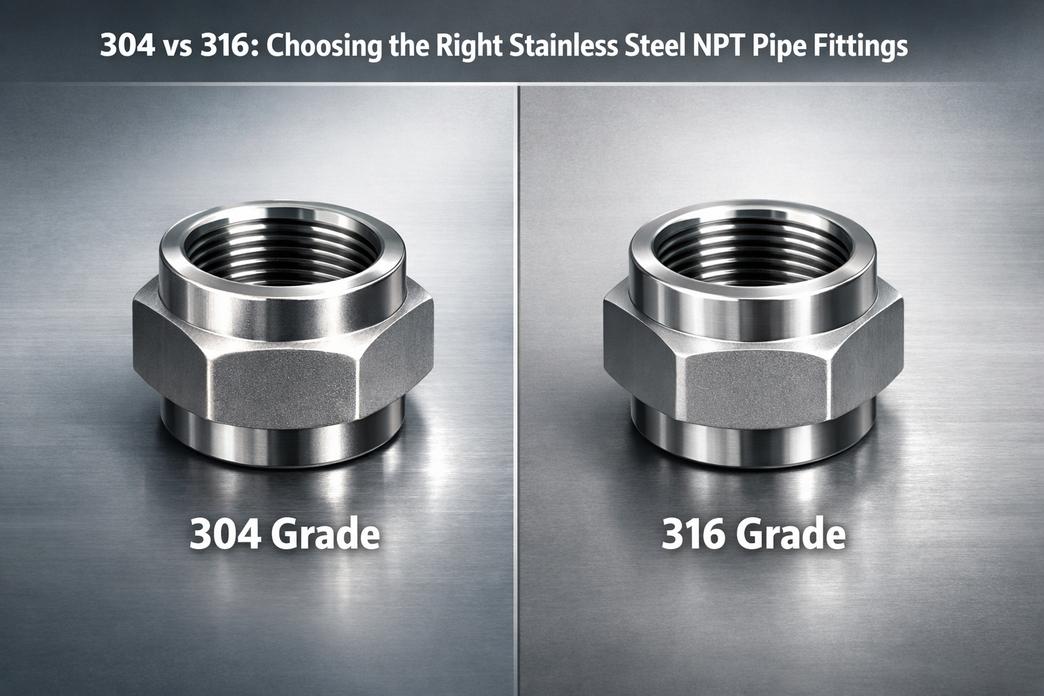
304 / 304L (18-8 Stainless): The industry standard for general corrosion resistance. We use the “L” (low carbon) variant to ensure superior weldability and prevent carbide precipitation during fabrication.
-
316 / 316L: Infused with Molybdenum, these fittings are indispensable for marine environments and pharmaceutical “Clean-in-Place” systems where chloride resistance is a mechanical necessity.
-
321 (Titanium Stabilized): This specialty grade is our expertise. By adding Titanium, the material remains stable at temperatures up to
800°C. We machine these for aerospace exhaust manifolds and high-temperature chemical reactors where 304/316 would suffer from intergranular corrosion. -
317L (High Moly): Engineered for the most aggressive environments, such as pulp and paper bleaching or bio-waste processing. Its resistance to acidic attack is significantly higher than 316L.
-
2205 Duplex Stainless Steel: Featuring a ferritic-austenitic microstructure, Duplex 2205 offers twice the strength of standard stainless steel. Our CNC machines are optimized for the high-torque demands of cutting this incredibly tough material, providing fittings for desalination plants and high-pressure oil skids.
The Integrity Advantage: Unlike cast fittings which can harbor “sand holes” or internal porosity, our fittings are carved from forged bar stock. This ensures a dense, uniform molecular structure that can withstand much higher surge pressures and cyclic loading.
3. Surface Metrology: Why the 1.6 Ra Benchmark Matters
In modern manufacturing, surface finish is a functional specification, not an aesthetic one. In industries such as biotech and semiconductor fabrication, a microscopic scratch is a canyon where bacteria or contaminants can hide.
The Science of RA1.6
We maintain a standard internal surface roughness of Ra1.6 (approx. 63 micro-inches).
-
Biofilm Prevention: A Ra1.6 finish is smooth enough to prevent the adhesion of biofilms, making it ideal for the dairy and beverage industries.
-
Hydraulic Efficiency: Smoother surfaces reduce skin friction, meaning pumps need less energy to move fluid through the system.
-
Sealing Optimization: For threaded or flanged joints, the Ra1.6 finish provides the perfect “grip” for gaskets, ensuring a gas-tight seal without the need for excessive torque.
-
CIP/SIP Readiness: Our fittings are designed for Clean-in-Place (CIP) and Steam-in-Place (SIP) protocols. The absence of internal crevices ensures that sterilization agents reach every surface, a requirement for ASME BPE compliance.
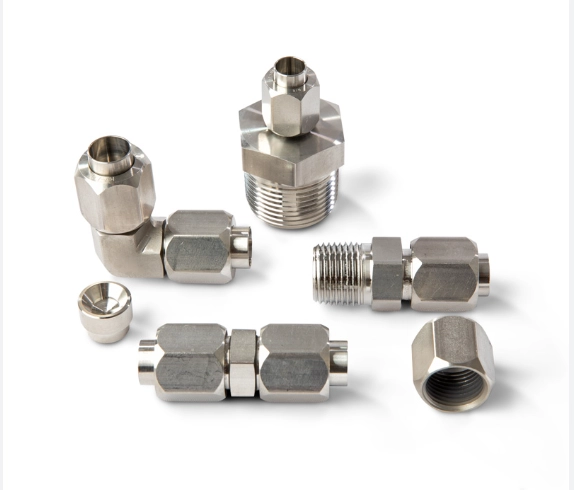
4. Joining Methods and Thread Dynamics
The connection point is where 90% of piping failures occur. Our CNC programming is fine-tuned to master the world’s most demanding joining standards.
The Mastery of NPT and BSP Threads
Threaded connections rely on a mechanical wedge to seal.
-
NPT (National Pipe Thread): We strictly adhere to the 1:16 taper ratio. Our CNC machines utilize single-point threading tools to ensure the thread crests and roots are sharp and precise. This prevents “galling”—the cold-welding effect that often ruins stainless steel threads during installation.
-
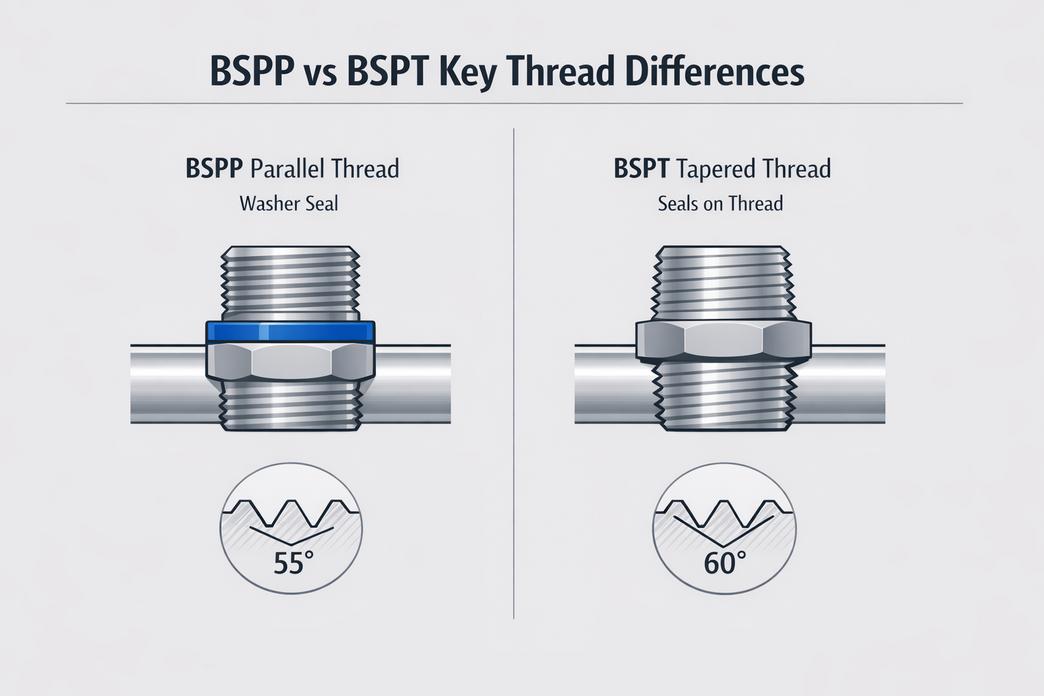
BSPP/BSPT: We support European and Asian standards, ensuring that our global customers can integrate our fittings into existing regional infrastructure without adapters.
Welding Ends: Butt-Weld and Socket Weld
-
Butt-Weld (ASME B16.9): We machine a precise 37.5 bevel on the ends of our fittings. This allows the welder to achieve full-depth penetration, creating a joint that is as strong as the pipe itself.
-
Socket Weld (ASME B16.11): Ideal for small-bore, high-pressure lines. Our CNC process ensures that the “bore” and the “socket” are perfectly concentric, facilitating easy alignment during field assembly.
5. Industrial Applications: Where Performance is Non-Negotiable
Our SS Pipe Fittings are deployed in environments where failure is not an option. By maintaining a tolerance of 0.01mm, we serve high-stakes sectors:
Pharmaceutical and Biotechnology
The demand for “High Purity” is absolute. Our fittings, often made of 316L with documented MTRs (Material Test Reports), are used in vaccine production and bioreactors. The precision of our CNC turning ensures that no trace amounts of media are left behind between batches.
Desalination and Marine Engineering
The salt-laden air and high-pressure membranes of a desalination plant are a torture test for metals. Our Duplex 2205 and 316L fittings are the industry standard for these facilities in the Middle East and coastal regions, resisting the aggressive “pitting” caused by seawater.
Oil, Gas, and Petrochemical
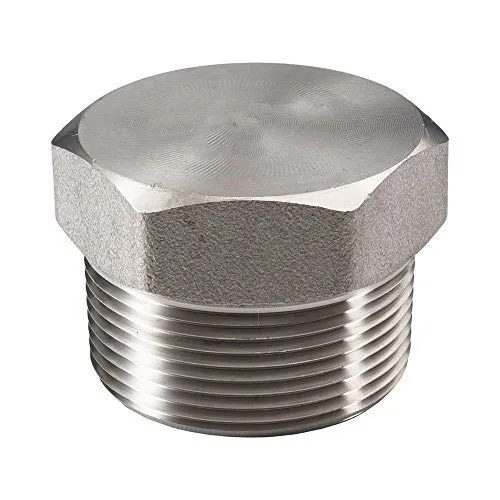
Refineries operate under extreme surge pressures and corrosive hydrocarbon flows. Our heavy-duty threaded and flanged fittings are engineered to meet ASME B16.11 for forged and machined components, ensuring leak-free performance in volatile environments.
Food, Dairy, and Beverage
From milk processing to brewery fermentation, the “Cleanability” of the system is the top priority. Our sanitary clamp ends and ferrules provide a seamless, crevice-free connection that meets 3-A Sanitary standards, protecting consumer health and product taste.
6. The Yuhuan Hongqian Infrastructure: Scale Meets Precision
Why do engineers and procurement heads from the United States, Russia, Israel, and Europe choose us? It is because we have solved the “Scale-Precision Paradox.”
The Power of 80 CNC Machines
Most shops have a few CNC machines; we have 80. This massive infrastructure allows us to dedicate specific machines to specific materials (e.g., one line for 316L, another for 321), preventing cross-contamination of alloys and ensuring highly optimized cutting speeds and feeds.
15 Robotic Gantry Systems: The Future of Quality
Human fatigue is the enemy of precision. By implementing 15 truss robots and automated gantry systems, we have achieved a level of consistency that is physically impossible for a manual operator. Every part, from the 1st to the 50,000th, is identical. This automation also allows us to run 24/7, offering lead times that are 30% faster than the industry average.
In-House Value-Added Services
We don’t outsource. Our facility in Yuhuan handles:
-
Precision Sawing: High-speed cutting of raw bar stock.
-
Advanced CNC Turning: The core of our precision.
-
Automated Polishing: Ensuring the Ra1.6 finish is uniform across all surfaces.
-
Ultrasonic Cleaning: Removing all traces of cutting oils and metal fines before packaging.
-
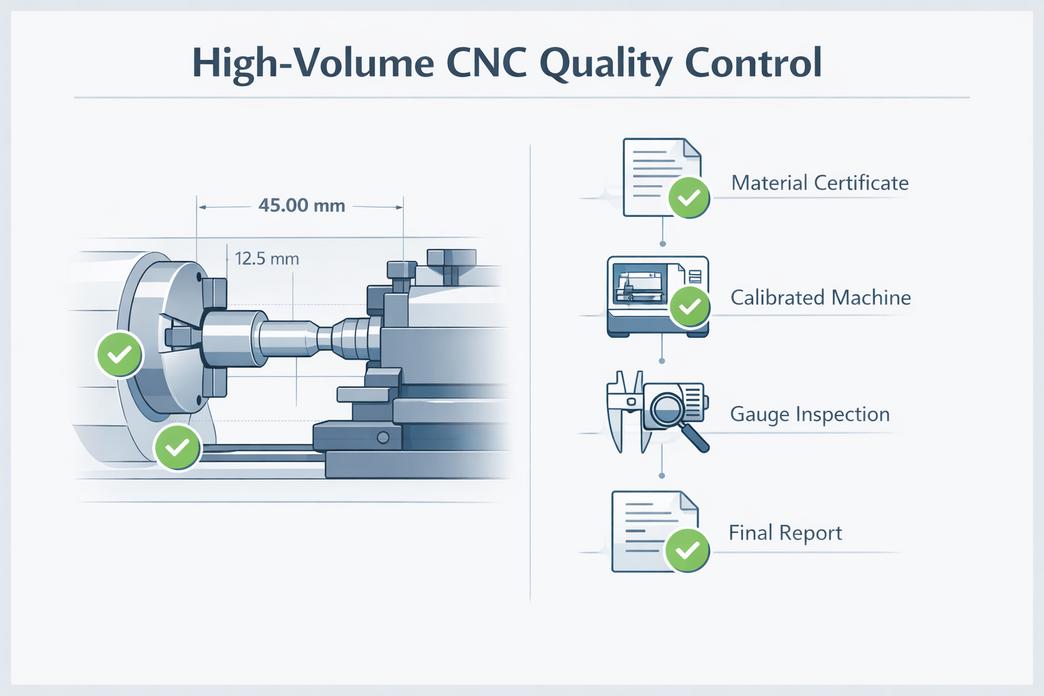
Quality Audit: Utilizing digital calipers, thread gauges, and spectrographic material analysis.
7. Strategic Sourcing: Why Yuhuan, China?
Yuhuan is the “Valve and Pressure Pipe Capital” of China. Sourcing from Yuhuan Hongqian Machinery offers a unique macro-economic advantage:
-
Integrated Supply Chain: Being at the heart of the industry, we have immediate access to the highest-quality raw materials and specialized heat-treatment services.
-
Logistics Excellence: Our proximity to major ports like Ningbo and Shanghai ensures that international shipments are streamlined and cost-effective.
-
Engineering-to-Cost: We offer the precision of a European “boutique” shop with the price efficiency of a high-scale Chinese manufacturer.
Conclusion: Engineering the Future of Fluid Systems
In the grand architecture of an industrial plant, pipe fittings are often overlooked—until they leak. At Yuhuan Hongqian Machinery, we treat every SS Pipe Fitting as a critical safety component. By merging a decade of “factory-perspective” expertise with the rigorous precision of CNC Turning, we are setting a new standard for the industry.
Whether you are designing a desalination skid, a biotech reactor, or a high-pressure chemical line, your choice of fittings will define your system’s legacy.
Ready to integrate micron-level precision into your next project?
Visit justcncturningparts.com to browse our technical catalog or submit your RFQ directly to our engineering department. Let’s turn your complex technical drawings into high-performance industrial reality.
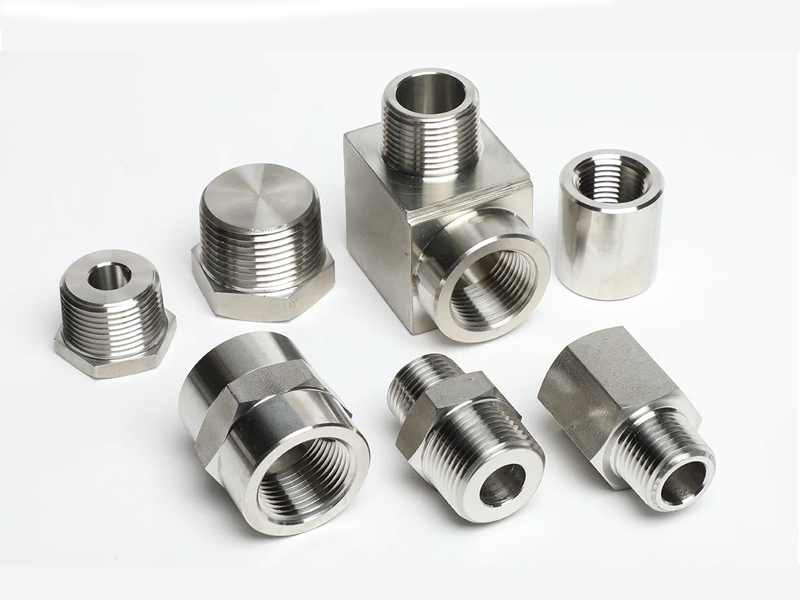
FAQ (Frequently Asked Questions)
Q: What is the primary difference between Pipe Fittings and Tube Fittings?
A: This is the most common question for buyers. Pipe Fittings are measured by NPS (Nominal Pipe Size) and are designed to transport large volumes of fluid under pressure. They follow “Schedules” (e.g., Sch 10, Sch 40). Tube Fittings are measured by their actual OD (Outside Diameter) and are used where precision and hygiene are paramount, such as in medical devices or instrumentation.
Q: Why is CNC machined stainless steel superior to cast stainless steel?
A: Casting involves pouring molten metal into a mold, which can trap air (porosity) or sand. CNC machining carves a part from a solid, forged bar. This means the metal is 100% dense, much stronger, and allows for a significantly smoother surface finish RA1.6 vs. the rough surface of a casting).
Q: How do you handle “Galling” in stainless steel threads?
A: Galling occurs when stainless steel threads “cold weld” together. We prevent this by ensuring our CNC-cut threads have perfect geometry and smoothness. We also recommend the use of anti-seize lubricants, but the primary defense is the precision of the thread cut.
Q: Can you provide MTRs (Material Test Reports) for every order?
A: Absolutely. We provide full traceability. Every order is accompanied by documentation that details the chemical composition (Ni, Cr, Mo levels) and physical properties of the specific heat of steel used for your parts.
Q: What is your standard tolerance for custom orders?
A: For CNC turned parts, our standard production tolerance is 0.01mm and 0.02mm. For extremely critical applications, please consult with our engineers to discuss tighter requirements.