Sourcing cnc machining for oems can feel like dating with purchase orders—plenty of options, shiny promises, and one bad pick can wreck the schedule. Procurement leads juggle price pressure, tight tolerances, and bosses tapping watches. This hunt carries real stakes.
Deloitte’s 2023 Global Manufacturing Survey warns, “supplier reliability now rivals cost as a top driver of competitiveness.”
This guide cuts through the noise. No fluff, no factory fairy tales—just how to spot a CNC partner that hits deadlines, holds tolerance, and scales without drama. Pull up a chair; the real work starts here.
Quick Answers: cnc machining for OEMs
➔ Precision & Consistency: Achieve micron-level tolerances and repeatable accuracy for strict OEM standards.
➔ Domestic vs. Overseas: Balance shorter lead times and compliance with cost-driven high-volume options.
➔ Vetting Process: Define specs, audit quality systems, prototype, and lock in lead times and pricing.
➔ Deadline Recovery: Streamline CAD-to-CNC workflows, leverage high-speed tooling, and monitor production in real time.
Why Choose CNC Machining For OEMs Projects
CNC machining for OEMs is not just about cutting metal; it is about hitting specs, timelines, and budgets without drama. When brands scale, the pressure gets real. That’s where cnc machining for oems, OEM CNC machining, and precision CNC manufacturing step in and keep things steady.
Precision and Consistency: Meeting OEM Quality Standards
In cnc machining for oems, accuracy is the baseline.
- Dimensional Control
- Dimensional accuracy
- Maintains part geometry within microns
- Supports strict manufacturing standards
- Tight tolerances
- Critical for aerospace and medical OEM programs
- Reduces downstream fitting issues
- Dimensional accuracy
- Process Stability
- Repeatability
- Identical output across batches
- Stable performance in high volume OEM CNC machining
- Surface finish
- Smooth finishes improve sealing and wear resistance
- Enhances perceived product quality
- Repeatability
- Quality Governance
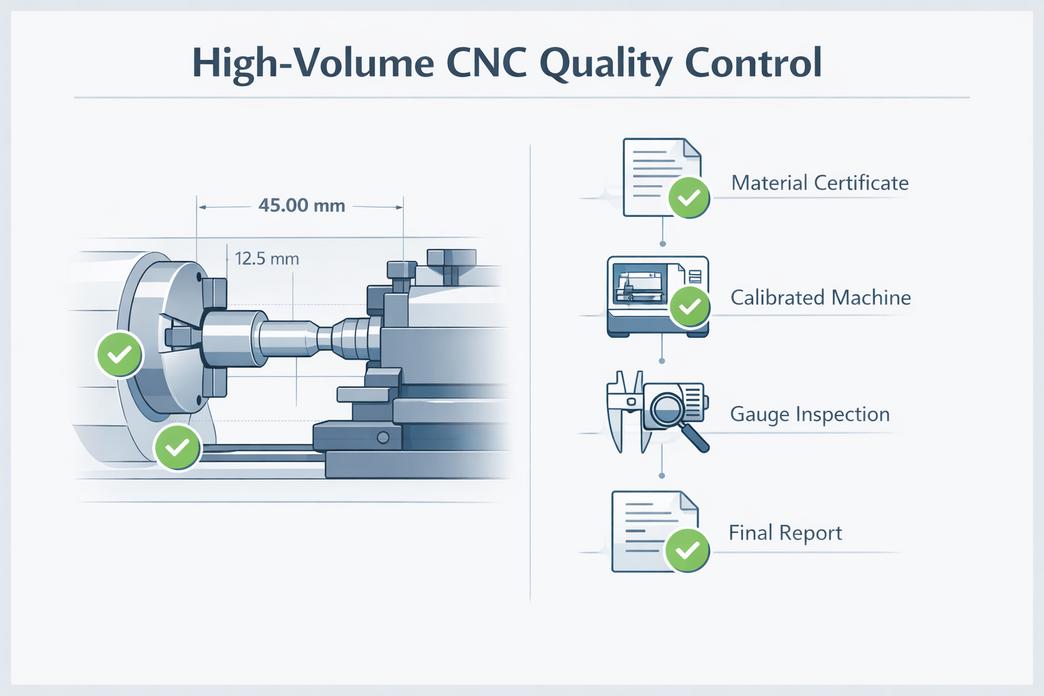
- Integrated quality control
- In-process inspection
- CMM validation
- Documentation alignment with OEM audits
- Integrated quality control
For cnc machining for oems, this layered control means fewer surprises and more predictable launches.
Scalability of CNC Processes for Large Production Runs
Scaling cnc machining for oems takes more than adding shifts.
- High Volume Production Framework
- Automation
- Tool changers
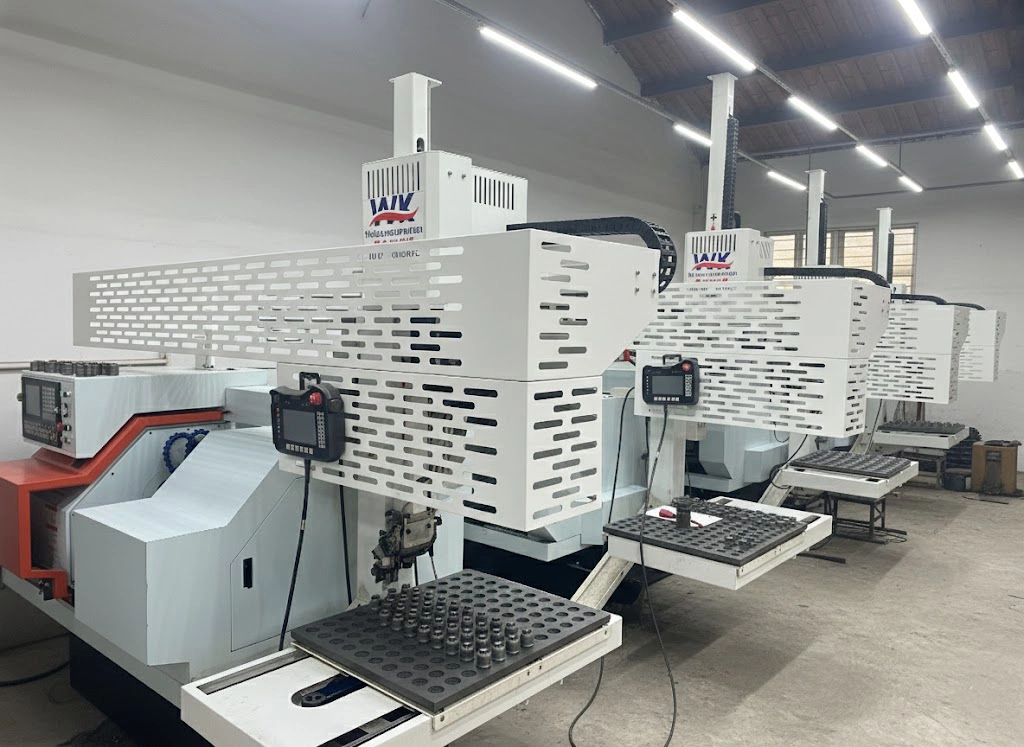
- Robotic loading
- Efficiency
- Reduced idle time
- Stable cycle benchmarks
- Automation
- Capacity Planning
- Production capacity
- Flexible cell layout
- Parallel machining lines
- Manufacturing scalability
- Program replication across machines
- Production capacity
- Throughput Optimization
- Balanced toolpaths
- Preventive maintenance scheduling
With cnc machining for oems, validated programs move from pilot to mass output smoothly. yuuhuan hongqian supports this shift with structured production control built for OEM growth.
Material Versatility to Support Diverse OEM Applications
Material choice drives performance in cnc machining for oems.
- Core Categories
- Metals
- Aluminum for lightweight frames
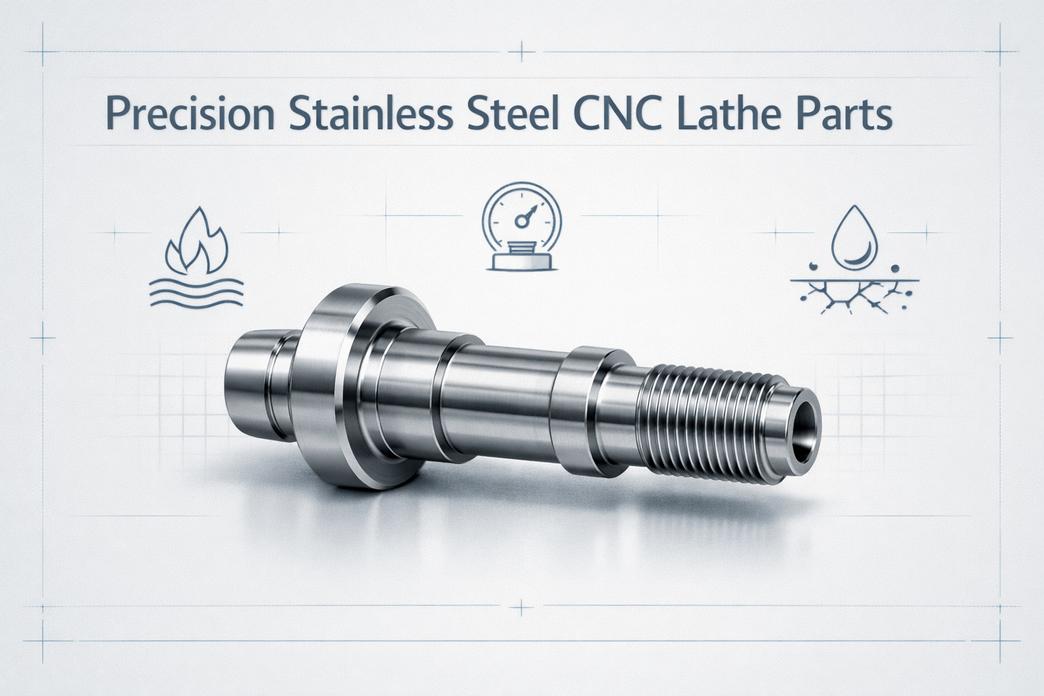
- Stainless steel for corrosion resistance
- Plastics
- Engineering polymers for insulation
- Metals
- Advanced Options
- Alloys
- Heat-resistant blends
- Composites
- Strength-to-weight advantages
- Alloys
- Material Selection Logic
- Match load requirements
- Confirm thermal limits
- Validate machining behavior
From automotive brackets to medical housings, OEM CNC machining handles diverse engineering materials without losing precision.
Cost Efficiency: Reducing Waste and Labor Overheads
Cnc machining for oems keeps margins healthier through control and planning.
- Material Optimization
- Smart nesting reduces reduced scrap
- Toolpath tuning lowers excess removal
- Labor Savings
- Automated cycles cut manual intervention
- Skilled oversight replaces repetitive handling
- Cost Drivers
- Managed tooling costs
- Higher operational efficiency
- Lower overall manufacturing costs
By combining precision CNC machining for OEMs with disciplined planning, yuuhuan hongqian helps brands balance quality and budget without cutting corners.
Domestic Vs. Overseas OEM CNC Partners
Choosing between domestic and overseas partners for cnc machining for oems isn’t just about price tags. It’s about speed, trust, and how much risk you’re willing to carry. From tight-tolerance parts to full cnc machining services for oems, the right location can shape timelines, margins, and even your brand reputation in very real ways.
Domestic CNC Machining
When it comes to cnc machining for oems, domestic suppliers often win on control and clarity.
- Operational Strength
1.1 Quality Control
- Real-time inspections
- Easier on-site audits
- Faster corrective feedback loops
1.2 Lead Times
- Shorter transit routes
- Reduced customs delays
- Better schedule predictability
- Risk Management
2.1 Intellectual Property Protection
- Stronger legal enforcement
- Lower exposure during prototype cnc machining for oems
2.2 Supply Chain Reliability
- Stable logistics networks
- Fewer geopolitical surprises
- Collaboration Depth
3.1 Communication
- Same language, same time zone
- Faster engineering feedback
3.2 Technical Expertise
- Skilled machinists familiar with regulated industries
For OEM cnc machining projects that are complex or compliance-heavy, working locally just feels smoother. Brands like yuuhuan hongqian support cnc machining for oems with tighter coordination and faster engineering revisions, which keeps production headaches low.
Overseas CNC Machining
Overseas cnc machining for oems often makes sense when scale drives the decision.
- Cost & Volume
1.1 Cost Savings
- Lower labor expenses
- Competitive raw material sourcing
1.2 Manufacturing Capacity
- Large batch production
- Multi-line facilities
- Operational Factors
2.1 Logistics
- Sea or air freight planning
- Customs clearance timelines
2.2 International Regulations
- Export compliance
- Certification alignment
- Coordination Challenges
3.1 Cultural Differences
- Different negotiation styles
3.2 Time Zone Differences
- Delayed responses
- Night-shift meetings for engineering teams
For high-volume cnc machining for oems where margins matter most, overseas OEM CNC manufacturing can cut unit costs significantly. The trade-off is longer lead times and tighter project management. In short, pick what fits your product strategy—not just the cheapest quote.
4 Steps To Vet CNC Machining For OEMs
Picking the right partner for cnc machining for oems isn’t guesswork. It’s a practical screening process. When OEM teams slow down and check the details, risks drop, margins improve, and production headaches fade fast.
Step 1: Define Part Specifications and Tolerances
When planning cnc machining for oems, clarity drives everything. Quotes, programming, and final inspection all hinge on how clearly design drawings spell out material requirements, dimensional accuracy, and geometric tolerances.
- Core documentation
- Engineering package
- 2D prints with GD&T
- 3D CAD models
- Compliance notes
- Industry standards
- Regulatory codes
- Engineering package
- Technical definition
- Material layer
- Alloy grade
- Heat treatment
- Finish layer
- Surface finish Ra value
- Coating thickness
- Material layer
Below is a typical tolerance reference used in machining for oems:
| Feature Type | Nominal Size (mm) | Tolerance (±mm) | Surface Finish (Ra μm) |
|---|---|---|---|
| Shaft OD | 25.00 | 0.01 | 0.8 |
| Bore ID | 40.00 | 0.015 | 1.6 |
| Flatness | 100.00 | 0.02 | 3.2 |
| Slot Width | 10.00 | 0.01 | 1.6 |
Tight specs reduce back-and-forth. For complex parts, define part complexity early so CNC machining suppliers can assess feasibility before tooling begins.
Step 2: Audit Supplier Quality Management Systems
Quality isn’t a slogan. In cnc machining for oems, it’s documented proof.
- Certification review
- System level
- ISO certification (ISO 9001)
- IATF where automotive applies
- Audit frequency
- Internal reviews
- External audits
- System level
- Process control
- Shop floor
- In-process inspection procedures
- SPC tracking
- Final stage
- CMM validation
- Outgoing reports
- Shop floor
- Data discipline
- Traceability
- Batch numbers
- Material heat codes
- Documentation
- Control plans
- CAPA logs for continuous improvement
- Traceability
Reliable partners in OEM CNC machining maintain clean records. Brands like yuuhuan hongqian emphasize structured quality control processes, making long-term supply far less stressful.
Step 3: Request Prototypes and Performance Data
Before scaling cnc machining for oems, test reality.
- Prototype review
- Physical sample parts
- Fit checks in assembly
- Validation stack
- Dimensional reports
- Material certification
- Lab-based testing results
- Functional confidence
- End-use functional testing
- Field-style validation runs
Good OEM machining suppliers share capability indices, not just promises. That data tells you if repeat production will hold spec at volume.
Short runs cost money. Bad production runs cost more.
Step 4: Negotiate Lead Times and Pricing Structures
Now the commercial side of cnc machining for oems gets real.
- Production alignment
- Manufacturing capacity
- Machine count
- Shift structure
- Production schedule
- Forecast batches
- Safety stock
- Manufacturing capacity
- Delivery planning
- Delivery timelines
- Buffer windows
- Financial structure
- Transparent cost breakdown
- Material
- Labor
- Tooling costs
- Clear payment terms
- Transparent cost breakdown
For long-term machining for oems, stability beats rock-bottom pricing. OEM CNC machining thrives when cost targets and realistic capacity match up. Working with experienced suppliers such as yuuhuan hongqian often helps balance price, tooling investment, and steady output.
In the end, cnc machining for oems is less about flashy machines and more about discipline. Define clearly. Audit carefully. Validate early. Negotiate smart. Repeat that rhythm, and OEM production stays on track.
Missed Deadlines? Fast-Track CNC Machining Tips
Deadlines slipping? It happens. In cnc machining for oems, speed without control is chaos. Tight coordination between design, tooling, and monitoring keeps OEM CNC machining projects on track and stress levels low.
Optimize CAD-to-Program Workflow
In cnc machining for oems, wasted hours usually hide between design approval and machine start-up. Clean handoffs matter.
- Design Stage Control
1.1 Use standardized CAD software templates
- Material specs embedded
- Tolerance blocks predefined
1.2 Apply design for manufacturability checks
- Wall thickness review
- Tool access clearance
1.3 Prevent messy file translation
- Lock version control
- Use compatible export formats
- CAM Alignment
2.1 Structured CAM software libraries
- Approved feeds and speeds
- Material-specific presets
2.2 Intelligent toolpath generation
- Roughing strategy matched to stock
- Finishing passes optimized
2.3 Run full simulation before release
- Program Validation
3.1 Dry run verification
3.2 Post-processor review
3.3 Sign-off protocol
For cnc machining for oems, shaving even 6–8 programming hours per job compounds fast across product lines. OEM machining teams that standardize this flow see fewer crashes and faster launches.
Prioritize High-Speed Tooling and Setups
Speed isn’t about cranking up spindle speed and hoping for the best. It’s controlled aggression.
- Upgrade carbide cutting tools designed for high-feed roughing
- Use balanced tool holders to cut vibration
- Improve workholding rigidity
Short setups win jobs in cnc machining for oems. That means:
- Smart fixture design
- Reduced tool changes
- Parallel prep while machines run
A quick comparison many OEMs track:
| Setup Type | Avg Setup Time (min) | Tool Changes | Cycle Time (min) |
|---|---|---|---|
| Traditional | 120 | 14 | 38 |
| Modular Fixture | 75 | 9 | 34 |
| Quick-Change System | 45 | 6 | 31 |
| High-Speed Optimized | 40 | 5 | 28 |
That’s real setup time reduction. In cnc machining for oems, every saved minute stacks into real delivery gains. Teams like yuuhuan hongqian often combine modular fixtures with high-efficiency tools to keep OEM production machining stable and quick.
Implement Real-Time Production Monitoring Systems
You can’t fix what you don’t see. In cnc machining for oems, blind spots kill schedules.
- Machine-Level Visibility
1.1 Install IoT sensors
1.2 Connect centralized machine monitoring dashboards
1.3 Track spindle load and cycle status
- Data Structure
2.1 Continuous data acquisition
2.2 Define core performance metrics
- OEE
- Scrap rate
- Throughput
2.3 Automated downtime analysis alerts
- Control & Adjustment
3.1 Integrated production scheduling updates
3.2 Real-time quality control flags
3.3 Supervisor response loops
“Manufacturers using real-time production analytics improved overall equipment effectiveness by up to 20%,” according to Deloitte’s 2025 Smart Manufacturing Outlook.
For cnc machining for oems, that visibility turns panic into quick decisions. Partners such as yuuhuan hongqian integrate monitoring systems directly into OEM workflows, keeping CNC machining for OEMs predictable, efficient, and on deadline.
FAQs about Cnc machining for oems
Why do OEM teams trust CNC machining for high-precision parts?
CNC machining for OEMs feels dependable because people can rely on numbers instead of guesswork.
- Micron-level accuracy keeps engineers calm during audits
- Programmed paths repeat the same result shift after shift
- Fewer hand adjustments mean fewer late-night fixes
In regulated fields, that calm turns into confidence on the shop floor.
How does CNC machining scale without losing consistency?
Once a program earns trust, it runs like a steady rhythm.
- Code is locked after validation
- Machines repeat the motion thousands of times
- Operators monitor, not improvise
The result is volume without drama, a balance OEM buyers value.
What materials fit best in CNC machining for OEMs?
CNC machining for OEMs adapts to what designers feel comfortable specifying.
• Aluminum for light, fast-moving assemblies
• Stainless steel and titanium for strength and heat
• ABS, PEEK, nylon for quiet, durable plastic parts
Material choice stays practical, driven by use, not hype.
Where do costs rise or fall in CNC machining for OEMs?
Short explanation, long-term relief: automation trims stress and expense.
| Cost Factor | Human Impact |
|---|---|
| Toolpath optimization | Less scrap, fewer hard talks |
| Repeat programs | Reduced rework fatigue |
| Volume growth | Lower unit price, steadier planning |
Savings show up slowly, then stay.
How do OEMs spot reliable CNC machining partners early?
Selection often comes after painful lessons, even technical ones like:
Good partners prevent surprises like this in production by:
- Sharing clear specs and limits
- Showing quality records without pressure
- Delivering prototypes that feel right in hand